The tradition & historical record
2 min read · 2 sourcesA Kus (Persian کوس kūs) is an ancient Persian musical instrument, a large kettledrum similar to timpani. 1
Etymology
Kus is a Middle-Persian military term meaning "march". According to Von Mohl the term was Kūša, apparently borrowed from Aramaic, probably during the Arsacid dynasty (248 BCE-224 CE). 1
Historical background
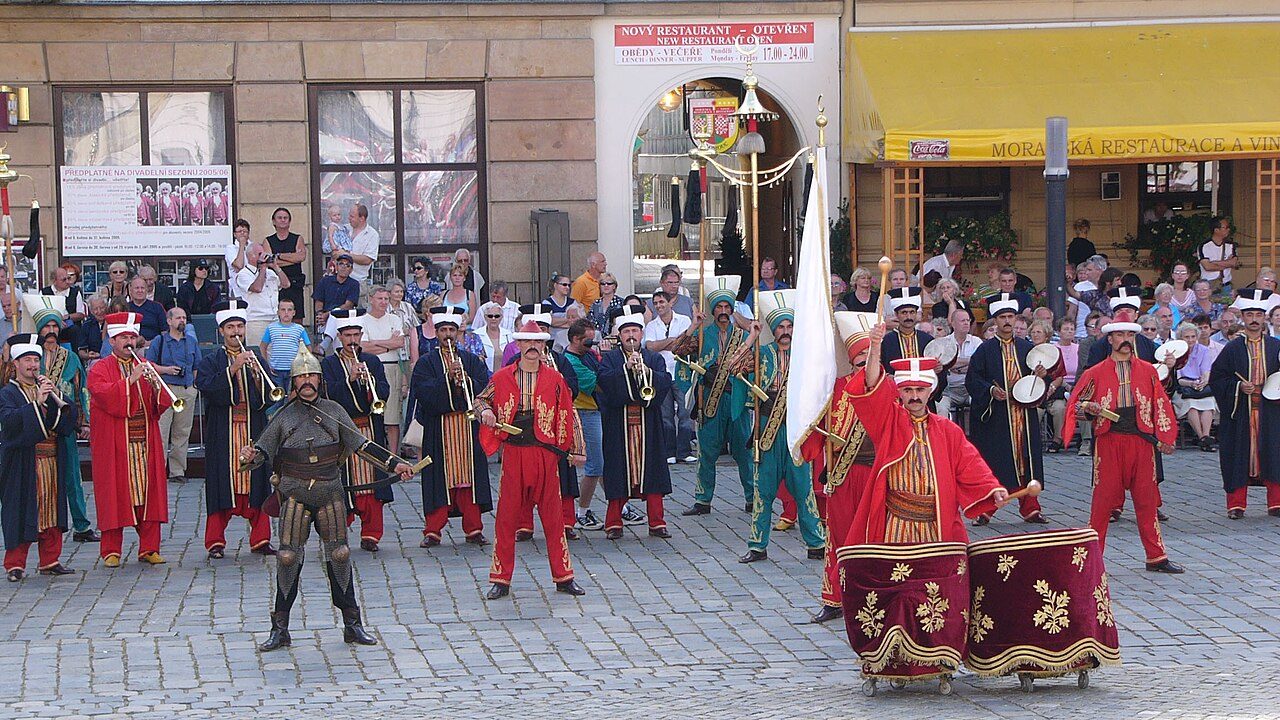
The instrument was a pair of drums, made of clay, wood or metal in the form of a hemispherical kettle, with skin stretched over the mouth. Kus was played with drumsticks of leather or wood (The leather drumstick was called Daval). Kus usually was carried on horseback, camelback or elephant during war to encourage the army. The instrument was also played on many occasions such as festivals and weddings. In ancient times, kus was accompaniment by karnay (Persian trumpet or horn). Particularly the Persian epic poets Ferdowsi and Nizami in describing battles mentioned kus and karnay in a number of entries. Many Persian miniatures paintings show the presence and importance of the Kus and Karnay in the war fields. According to the Greek historians, the drum was used by the Persians; Plutarch tells of Iranian warriors at the time of the Arsacid dynasty using kus as warlike instruments. Apparently after the introduction of Islam, the word Naghghāreh was used for small kettledrums. It seems that the word Naghghareh comes from the Arabic verb Naghr- that means to strike and to beat. 1
The text above is adapted from the Wikipedia article “Kus”, available under the Creative Commons Attribution-ShareAlike 4.0 licence. 1
kus is Persian musical instrument, according to the structured record cited below. This entry was generated automatically from that record and has not yet been reviewed by a person familiar with the tradition. 2
The source record links this tradition to 5 external registers, which can be verified through the citation. 2