The tradition & historical record
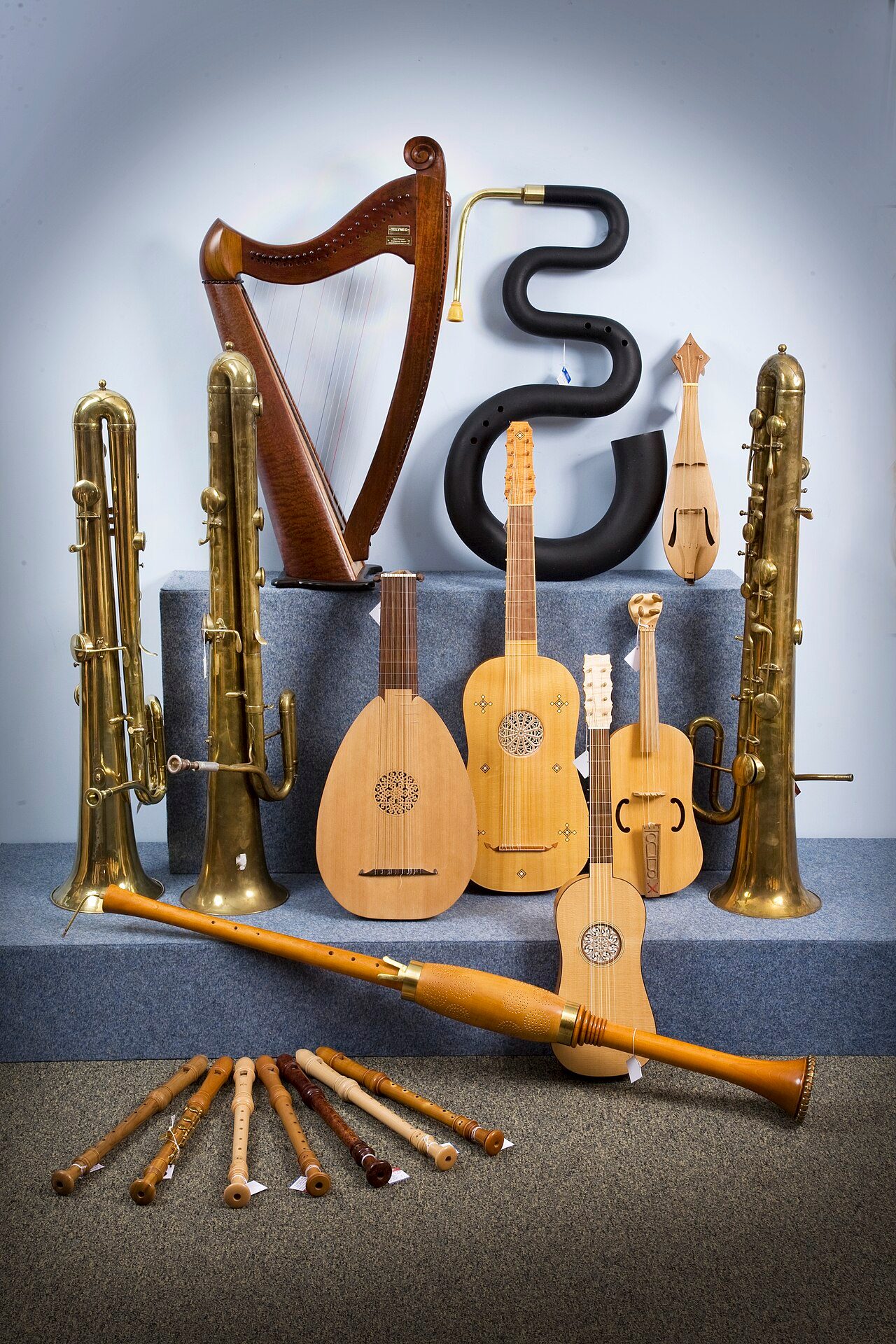
5 min read · 2 sourcesA musical instrument is a device created or adapted to make musical sounds. In principle, any object that produces sound can be considered a musical instrument—it is through purpose that the object becomes a musical instrument. A person who plays a musical instrument is known as an instrumentalist. The history of musical instruments dates to the beginnings of human culture. Early musical instruments may have been used for rituals, such as a horn to signal success on the hunt, or a drum in a religious ceremony. Cultures eventually developed composition and performance of melodies for entertainment. Musical instruments evolved in step with changing applications and technologies. The exact date and specific origin of the first device considered a musical instrument, is widely disputed. The oldest object identified by scholars as a musical instrument, is a simple flute, dated back 50,000–60,000 years. Many scholars date early flutes to about 40,000 years ago. Many historians believe that determining the specific date of musical instrument invention is impossible, as the majority of early musical instruments were constructed of animal skins, bone, wood, and other non-durable, bio-degradable materials. Additionally, some have proposed that lithophones, or stones used to make musical sounds—like those found at Sankarjang in India—are examples of prehistoric musical instruments. Musical instruments developed independently in many populated regions of the world. 1
Definition and basic operation
A musical instrument is used to make musical sounds. Once humans moved from making sounds with their bodies — for example, by clapping—to using objects to create music from sounds, musical instruments were born. Primitive instruments were probably designed to emulate natural sounds, and their purpose was ritual rather than entertainment. The concept of melody and the artistic pursuit of musical composition were probably unknown to early players of musical instruments. A person sounding a bone flute to signal the start of a hunt does so without thought of the modern notion of "making music". Musical instruments are constructed in a broad array of styles and shapes, using many different materials. Early musical instruments were made from "found objects" such as shells and plant parts. As instruments evolved, so did the selection and quality of materials. Virtually every material in nature has been used by at least one culture to make musical instruments. One plays a musical instrument by interacting with it in some way — for example, by plucking the strings on a string instrument, striking the surface of a drum, or blowing into an animal horn. 1
Archaeology
Researchers have discovered archaeological evidence of musical instruments in many parts of the world. One disputed artifact (the Divje Babe flute) has been dated to 67,000 years old, but consensus solidifies around artifacts dated back to around 37,000 years old and later. Artifacts made from durable materials or constructed using durable methods, have been found to survive. As such, the specimens found cannot be irrefutably placed as the earliest musical instruments. Recent studies indicate early hominins produced their percussive instruments from perishable materials like wood and animal hide, which the passing of time likely destroyed the artifacts beyond recovery. 1
Flutes
The Divje Babe Flute is a perforated bone discovered in 1995, in the northwest region of Slovenia by archaeologist Ivan Turk. Its origin is disputed, with many arguing that it is most likely the product of carnivores chewing the bone, but Turk and others argue that it is a Neanderthal-made flute. With its age estimated between 43,400 and 67,000 years old, it would be the oldest known musical instrument and the only Neanderthal musical instrument. Mammoth bone and swan bone flutes have been found dating back to 30,000 to 37,000 years old in the Swabian Alps of Germany. The flutes were made in the Upper Paleolithic age, and are more commonly accepted as being the oldest known musical instruments. The British music archaeologist Graeme Lawson, using a replica of a complete specimen, contends that rather than flutes, they produce the first five notes of the diatonic series in a clear, strident tone when played as an end-blown lip reed instrument, similar to a cornett. He argues that this method of playing is supported by microscopic wear patterns, the absence of a fipple or blowhole, and the well-rounded end aperture. 1
Sumerian city of Ur
Archaeological evidence of musical instruments was discovered in excavations at the Royal Cemetery in the Sumerian city of Ur. These instruments, one of the first ensembles of instruments yet discovered, include nine lyres (the Lyres of Ur), two harps, a silver double flute, a sistrum, and cymbals. A set of reed-sounded silver pipes discovered in Ur was the likely predecessor of modern bagpipes. The cylindrical pipes feature three side holes that allowed players to produce a whole-tone scale. These excavations, carried out by Leonard Woolley in the 1920s, uncovered non-degradable fragments of instruments and the voids left by the degraded segments that, together, have been used to reconstruct them. The graves these instruments were buried in have been carbon dated to between 2600 and 2500 BC, providing evidence that these instruments were used in Sumeria by this time. 1
Jiahu site
Archaeologists in the Jiahu site of central Henan province of China have found flutes made of bones that date back 7,000 to 9,000 years, representing some of the "earliest complete, playable, tightly dated, multinote musical instruments" ever found. The examination of these instruments reveals they were made with precision to generate specific notes thus showing Neolithic China's advanced knowledge of music scales and sound engineering. 1
The text above is adapted from the Wikipedia article “Musical instrument”, available under the Creative Commons Attribution-ShareAlike 4.0 licence. 1
musical instrument is device created or adapted to make musical sounds, according to the structured record cited below. This entry was generated automatically from that record and has not yet been reviewed by a person familiar with the tradition. 2
The source record links this tradition to 88 external registers, which can be verified through the citation. 2