The tradition & historical record
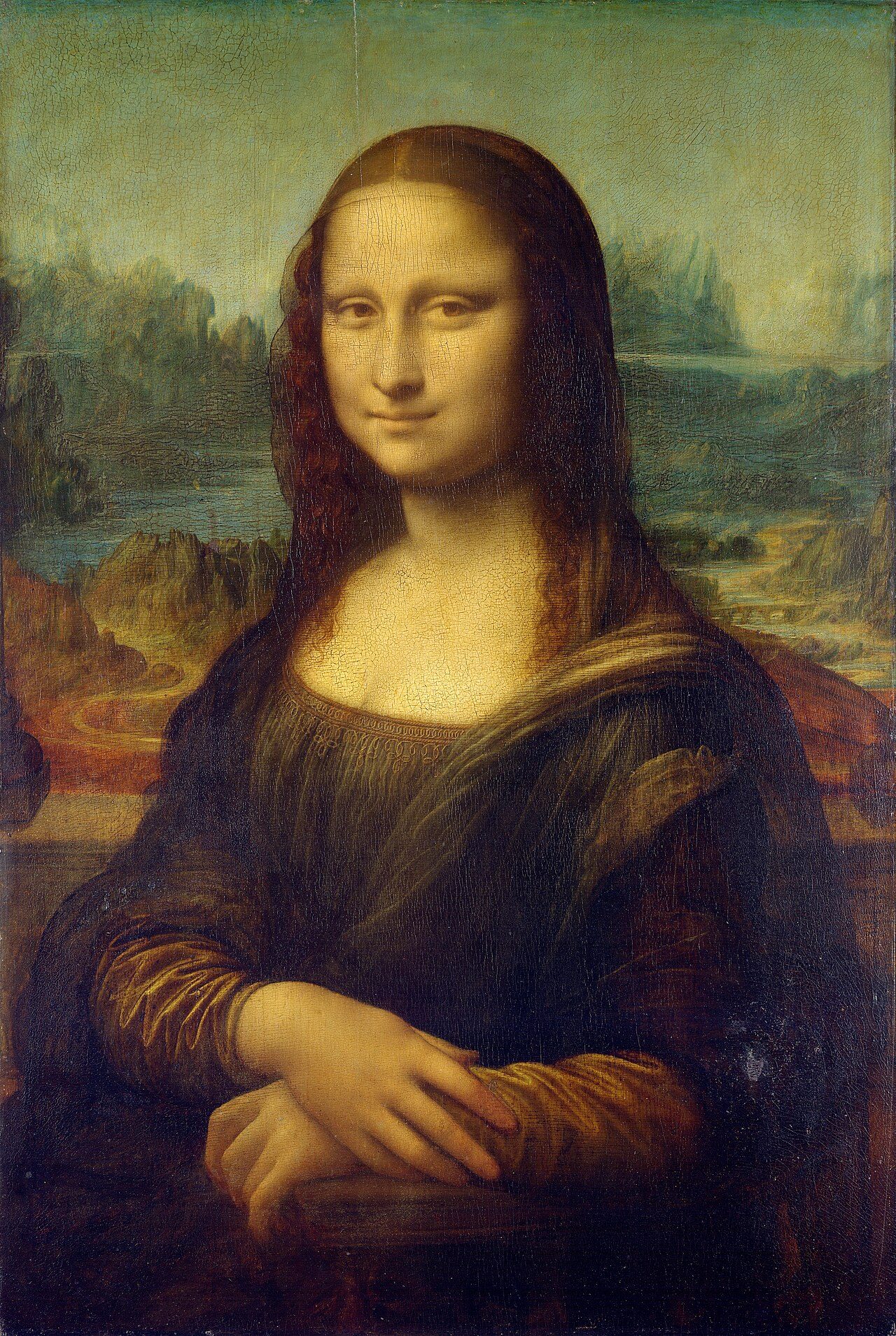
7 min read · 2 sourcesOil painting is a painting method involving the procedure of painting with pigments combined with a drying oil as the binder. It has been the most common technique for artistic painting on canvas, wood panel, or copper for several centuries. The advantages of oil for painting images include "greater flexibility, richer and denser color, the use of layers, and a wider range from light to dark". The oldest known oil paintings were created by Buddhist artists in Afghanistan, and date back to the 7th century AD. Oil paint was later developed by Europeans for painting statues and woodwork from at least the 12th century, but its common use for painted images began with Early Netherlandish painting in Northern Europe, and by the height of the Renaissance, oil painting techniques had almost completely replaced the use of egg tempera paints for panel paintings in most of Europe, though not for Orthodox icons or wall paintings, where tempera and fresco, respectively, remained the usual choice. Commonly used drying oils include linseed oil, poppy seed oil, walnut oil, and safflower oil. The choice of oil imparts a range of properties to the paint, such as the amount of yellowing or drying time. The paint could be thinned with turpentine. Certain differences, depending on the oil, are also visible in the sheen of the paints. An artist might use several different oils in the same painting depending on specific pigments and effects desired. 1
Techniques
Traditional oil painting techniques often begin with the artist sketching the subject onto the canvas with charcoal or thinned paint. Oil paint is usually mixed with linseed oil, artist grade mineral spirits, or other solvents to make the paint thinner, faster or slower drying. (Because the solvents thin the oil in the paint, they can also be used to clean paint brushes.) A basic rule of oil paint application is 'fat over lean', meaning that each additional layer of paint should contain more oil than the layer below to allow proper drying. If each additional layer contains less oil, the final painting will crack and peel. The consistency on the canvas depends on the layering of the oil paint. This rule does not ensure permanence; it is the quality and type of oil that leads to a strong and stable paint film. Other media can be used with the oil, including cold wax, resins, and varnishes. These additional media can aid the painter in adjusting the translucency of the paint, the sheen of the paint, the density or 'body' of the paint, and the ability of the paint to hold or conceal the brushstroke. These aspects of the paint are closely related to the expressive capacity of oil paint. Traditionally, paint was most often transferred to the painting surface using paintbrushes, but there are other methods, including using palette knives and rags. Palette knives can scrape off any paint from a canvas and can also be used for application. Oil paint remains wet longer than many other types of artists' materials, enabling the artist to change the color, texture, or form of the figure. At times, the painter might even remove an entire layer of paint and begin anew. 1
History
Aëtius of Amida was a 6th-century Byzantine author and physician who is famous in art history for providing one of the earliest written records of using a drying oil as a varnish for paintings. The earliest known surviving oil paintings are Buddhist murals created c. 650 AD in Bamiyan, Afghanistan. Bamiyan is a historic settlement along the Silk Road and is famous for the Bamiyan Buddhas, a series of giant statues, behind which rooms and tunnels are carved from the rock. The murals are located in these rooms. The artworks display a wide range of pigments and ingredients and even include the use of a final varnish layer. The application technique and refined level of the paint media used in the murals and their survival into the present day suggest that oil paints had been used in Asia for some time before the 7th century. In a treatise written about 1125, monk Theophilus Presbyter (a pseudonymous author who is sometimes identified as Roger of Helmarshausen) gives instructions for oil-based painting in his treatise, De diversis artibus ('on various arts'), written about 1125. At this period, it was probably used for painting sculptures, carvings, and wood fittings, perhaps especially for outdoor use. Surfaces exposed to the weather or of items like shields—both those used in tournaments and those hung as decorations—were more durable when painted in oil-based media than when painted in traditional tempera paints. Cennino Cennini, in his Book of Art, also mentions and describes the oil technique. 1
Ingredients
The basic ingredients for an oil paint are a pigment and a drying oil. Popular drying oils used in modern oil painting include linseed oil, safflower oil, walnut oil and poppyseed oil. Linseed oil comes from the flax seed, a common fiber crop; linen, a "support" for oil painting, also comes from the flax plant. The drying time of the paint is influenced by both the pigment and the oil that it is formulated with. Linseed oil is the most general purpose oil. Safflower, walnut or poppyseed oil are sometimes used in formulating lighter colors like white because they "yellow" less on drying than linseed oil, but they have the drawback of drying more slowly and may not provide the strongest paint film. The characteristics of the paint can be manipulated by the addition of other ingredients to the formulation such as siccatives (which accelerate drying), fillers, resins, and surfactants. It is common for painters to mix the paint from the tube with a medium of their choice on the palette to get the desired characteristics. Recent advances have produced modern water miscible oil paints that allow the paint to be used and cleaned up with water. Some historical pigments have fallen out of common use due to toxicity or other concerns. Lead white, valued for its opacity and fast drying time, was the dominant white pigment for centuries. Lead-tin yellow was used by Pieter Lastman and other Dutch Golden Age painters. Litharge (lead monoxide) was historically added to drying oils as a siccative to accelerate drying time. The use of such lead compounds has been restricted in recent years due to toxicity concerns; in the UK, for example, lead pigments are restricted to licensed restoration work. 1
Supports for oil painting
The earliest oil paintings were almost all panel paintings on wood, which had been seasoned and prepared in a complicated and rather expensive process with the panel constructed from several pieces of wood, although such support tends to warp. Panels continued to be used well into the 17th century, including by Rubens, who painted several large works on wood. The artists of the Italian regions moved towards canvas in the early 16th century, led partly by a wish to paint larger images, which would have been too heavy as panels. 1
Process
Oil paint is made by mixing pigments of colors with an oil medium. 1
The text above is adapted from the Wikipedia article “Oil painting”, available under the Creative Commons Attribution-ShareAlike 4.0 licence. 1
oil painting is process of painting with pigments that are bound with a medium of drying oil, according to the structured record cited below. This entry was generated automatically from that record and has not yet been reviewed by a person familiar with the tradition. 2
The source record links this tradition to 36 external registers, which can be verified through the citation. 2