The tradition & historical record
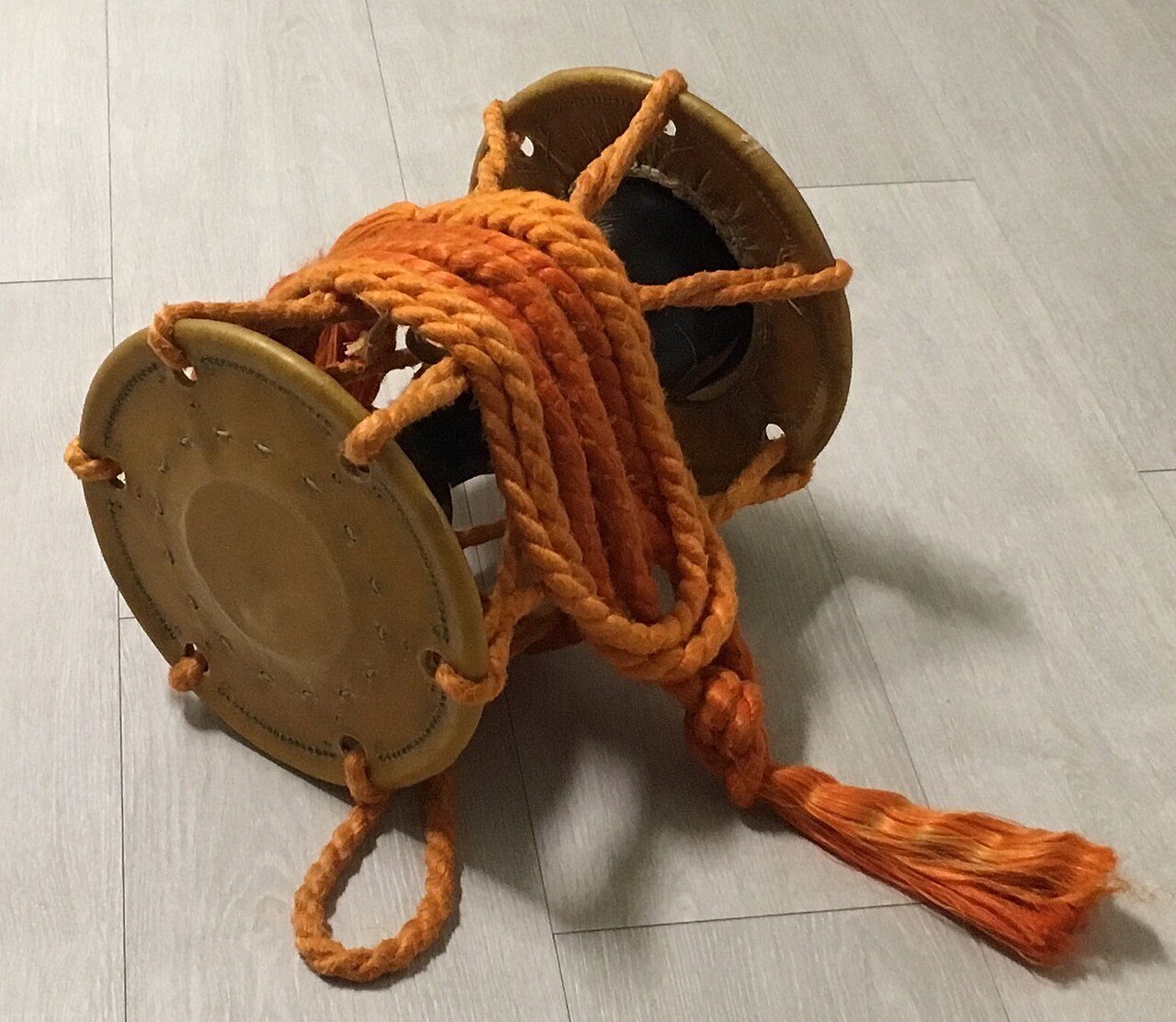
2 min read · 2 sourcesThe ōtsuzumi (大鼓), also known as the ōkawa (大皮), is an hourglass-shaped Japanese drum. It is a larger version of the tsuzumi, or kotsuzumi, and is used in traditional Japanese theater and folk music. Its appearance is slightly different from that of the tsuzumi, and the sound produced is vastly different from any of the four sounds the kotsuzumi produces. Whereas the kotsuzumi is smaller and has a more ornate drum head, the ōkawa is larger, and its head takes on a more plain, leathery appearance. The sound is also higher and sharper in pitch, resembling more of a dry, almost metallic "crack" than the tsuzumi's softer "pon" sound. The hourglass structure is slightly bigger, and has a prominent protruding "knob" at the middle, unlike that of the kotsuzumi, which has a smoothened-out middle section. The heads of the drum are taut very tightly, leaving no room for further tension, and acoustic, adjustments. The ōkawa is played on the left thigh of the player, possibly due to its larger, heavy size, whereas the tsuzumi is played upon the right shoulder. The drum heads are made of thick, stiff horsehide taken from grown horses, and care for the drum heads of the ōkawa is peculiar in that they must be kept dry at all times. In contrast, the heads of the smaller kotsuzumi must always be moist. 1
The text above is adapted from the Wikipedia article “Ōtsuzumi”, available under the Creative Commons Attribution-ShareAlike 4.0 licence. 1
ōtsuzumi is Hourglass-shaped Japanese drum, according to the structured record cited below. This entry was generated automatically from that record and has not yet been reviewed by a person familiar with the tradition. 2
The source record links this tradition to 6 external registers, which can be verified through the citation. 2