The tradition & historical record
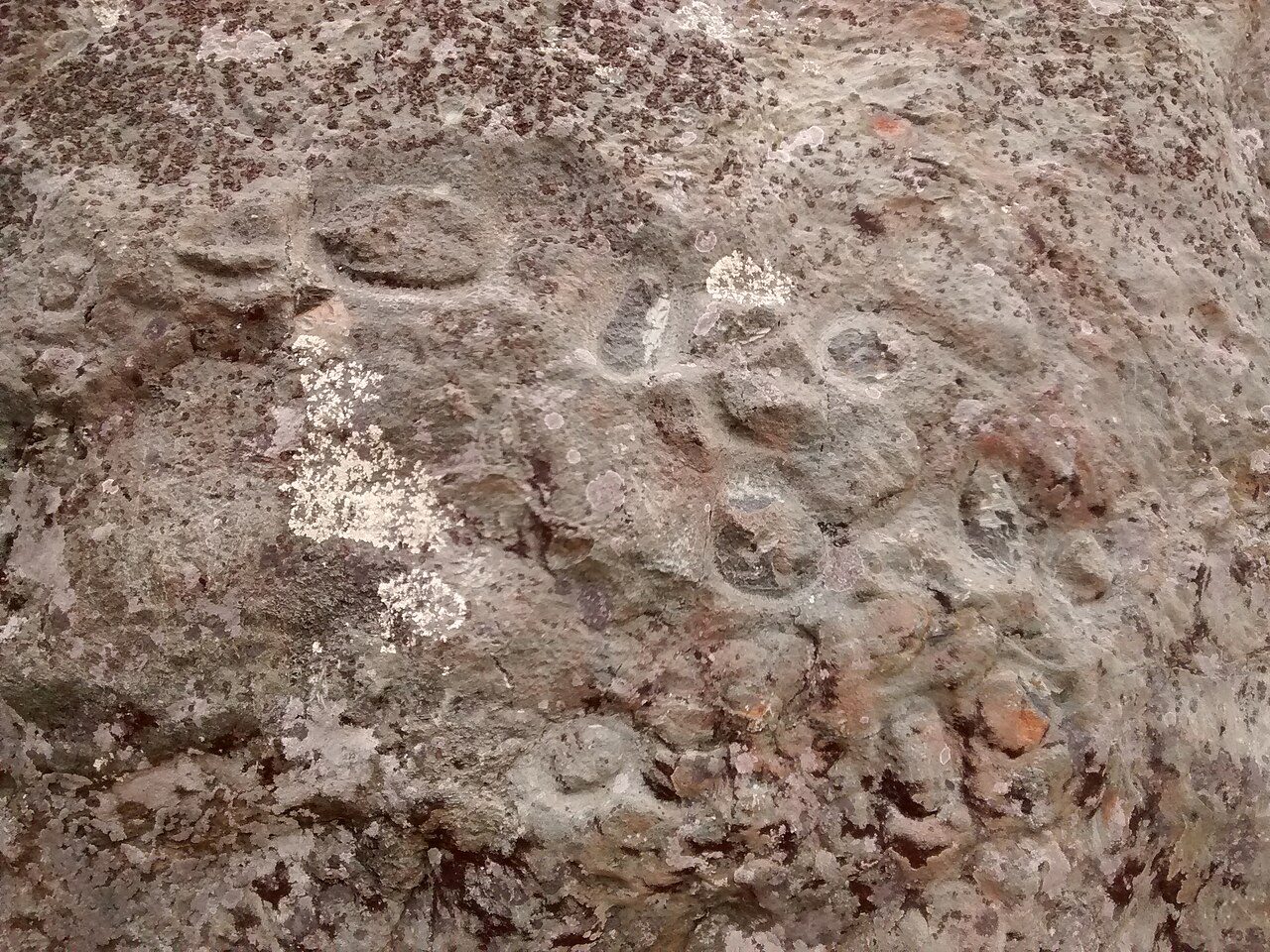
1 min read · 2 sourcesPecked curvilinear nucleated (PCN), in archaeology, is a form of prehistoric rock carving. The term was originally proposed by Teresa Miller and Reed Haslam in 1976 to describe a widespread type of rock carving in western North America. The form is characterized by a circular or oval groove element, which results in a raised center area. The form is quite prevalent in California and is applied to a number of Native American rock carving sites in this portion of the United States. 1
Examples
Occurrences of this type of rock carving can be found at Ring Mountain, Marin County, California, and in Lakeport, California. 1
The text above is adapted from the Wikipedia article “Pecked curvilinear nucleated”, available under the Creative Commons Attribution-ShareAlike 4.0 licence. 1
Pecked curvilinear nucleated is in archaeology, a form of prehistoric rock carving, according to the structured record cited below. This entry was generated automatically from that record and has not yet been reviewed by a person familiar with the tradition. 2
The source record links this tradition to 1 external register, which can be verified through the citation. 2