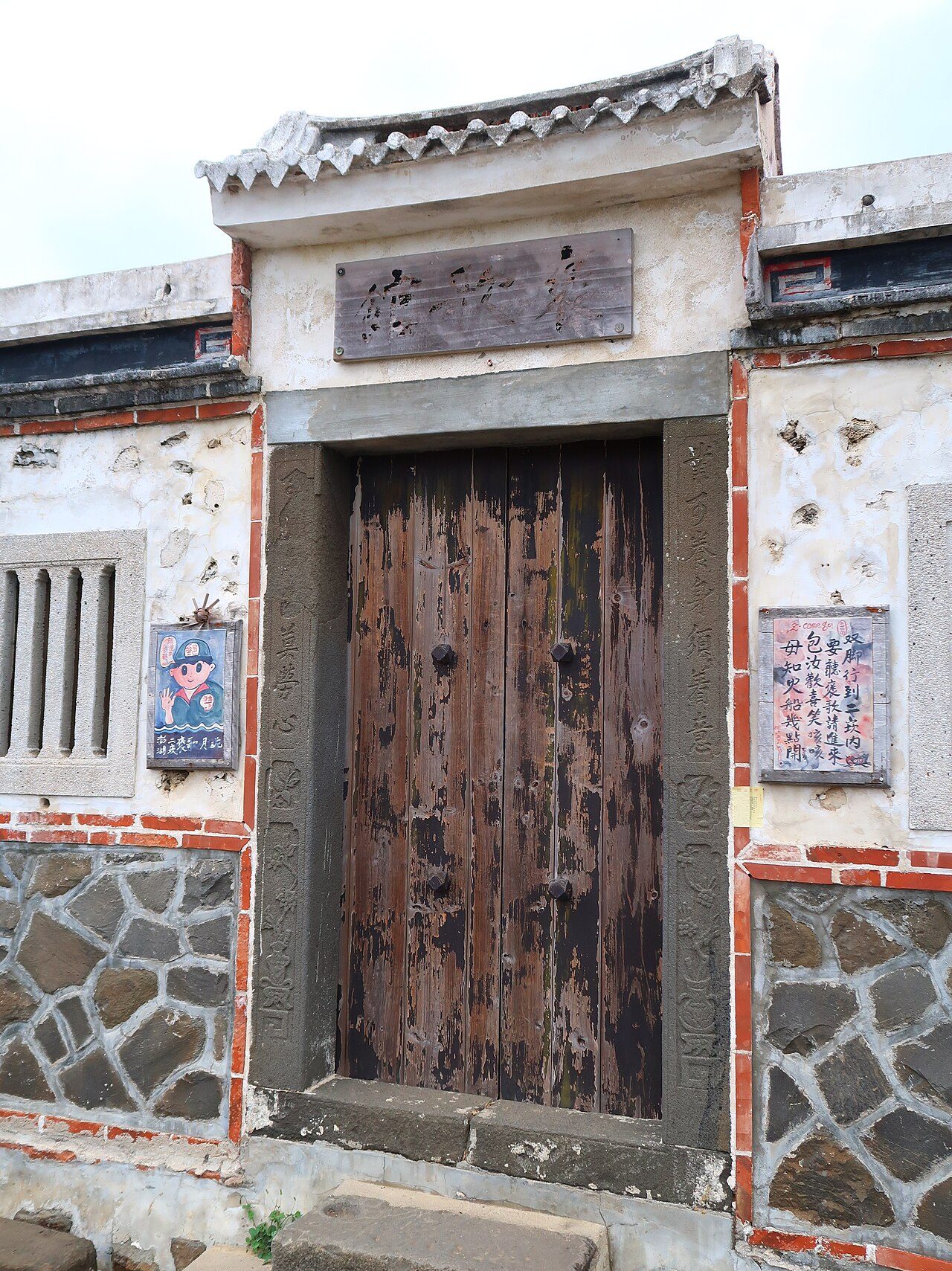
The tradition & historical record
2 min read · 2 sourcesPokua (Chinese: 褒歌; pinyin: bāo-gē; Pe̍h-ōe-jī: po-koa), also Tshit-jī-á kua (Chinese: 七字仔歌; lit. 'Song of 7 characters'), is a kind of traditional folk music in Taiwan and Penghu which can be traced from Hokkien peoples that migrated to Taiwan under Qing rule. The main themes found in Pokua songs include elements of romance, weather, the environment, festival activities and events of everyday life. Pokua has no fixed process of performance; people are able to sing Pokua with improvised lyrics or rhythms. 1
Name
Pokua means "Song of Compliment" or "Song of Praise". Some people also refer to the tradition as "Tshit-jī-á kua'' (song of 7 characters) based on its lyrical form. 1
Introduction
Pokua can be defined as a folk song tradition. Traditional oral music performance in Taiwan was continuously popular throughout history, especially among commoners. In the basic form of Pokua, there are usually at least 4 lines in a song, with seven Chinese characters in each line. There is usually has an end-rhyme on the last syllable in each line. There is no rigid ristriction on the number of characters, lines, or rhymes that can appear in any song, but four lines to a song with seven characters to a line is the most common Taiwanese style of Pokua. 1
The text above is adapted from the Wikipedia article “Pokua”, available under the Creative Commons Attribution-ShareAlike 4.0 licence. 1
Pokua is kind of folk song style in Taiwan and Penghu, according to the structured record cited below. This entry was generated automatically from that record and has not yet been reviewed by a person familiar with the tradition. 2