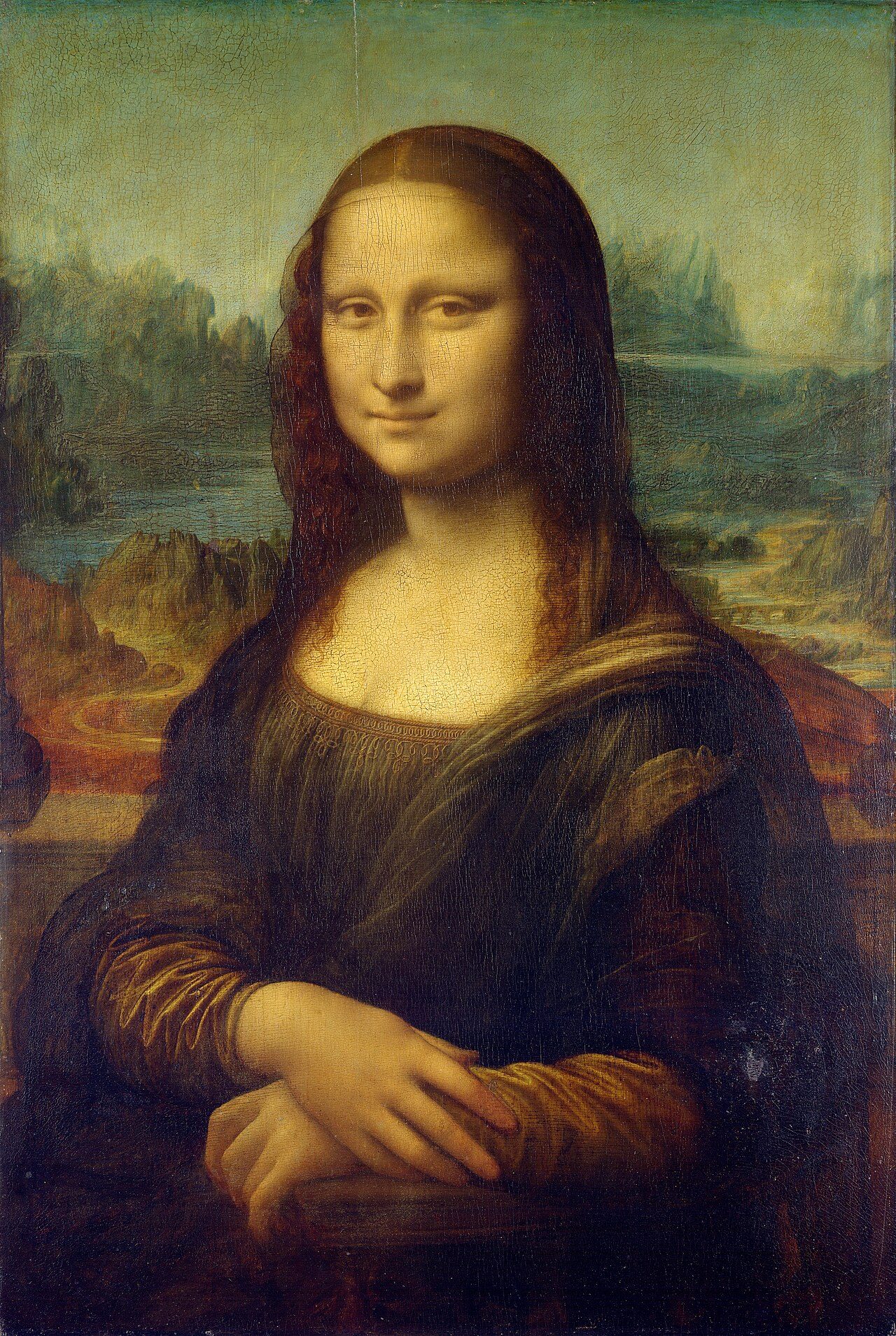
The tradition & historical record
6 min read · 2 sourcesPortrait painting is a genre in painting, where the intent is to represent a specific human subject. The term 'portrait painting' can also describe the actual painted portrait. Portraitists may create their work by commission, for public and private persons, or they may be inspired by admiration or affection for the subject. Portraits often serve as important state and family records, as well as remembrances. Historically, portrait paintings have primarily memorialized the rich and powerful. Over time, however, it became more common for middle-class patrons to commission portraits of their families and colleagues. Today, portrait paintings are still commissioned by governments, corporations, groups, clubs, and individuals. In addition to painting, portraits can also be made in other media such as prints (including etching and lithography), photography, video and digital art. 1
It may seem obvious today that a painted portrait is intended to achieve a likeness of the sitter that is recognisable to those who have seen them, and ideally is a very good record of their appearance. In fact this concept has been slow to grow, and it took centuries for artists in different traditions to acquire the distinct skills for painting a good likeness. 1
Technique and practice
A well-executed portrait is expected to show the inner essence of the subject (from the artist's point of view) or a flattering representation, not just a literal likeness. As Aristotle stated, "The aim of Art is to present not the outward appearance of things, but their inner significance; for this, not the external manner and detail, constitutes true reality." Artists may strive for photographic realism or an impressionistic similarity in depicting their subject, but this differs from a caricature which attempts to reveal character through exaggeration of physical features. The artist generally attempts a representative portrayal, as Edward Burne-Jones stated, "The only expression allowable in great portraiture is the expression of character and moral quality, not anything temporary, fleeting, or accidental." In most cases, this results in a serious, closed lip stare, with anything beyond a slight smile being rather rare historically. Or as Charles Dickens put it, "there are only two styles of portrait painting: the serious and the smirk." Even given these limitations, a full range of subtle emotions is possible from quiet menace to gentle contentment. However, with the mouth relatively neutral, much of the facial expression needs to be created through the eyes and eyebrows. As author and artist Gordon C. Aymar states, "the eyes are the place one looks for the most complete, reliable, and pertinent information" about the subject. 1
Ancient world
Portraiture's roots are likely found in prehistoric times, although few of these works survive today. In the art of the ancient civilizations of the Fertile Crescent, especially in Egypt, depictions of rulers and rulers as gods abound. However, most of these were done in a highly stylized fashion, and most in profile, usually on stone, metal, clay, plaster, or crystal. Egyptian portraiture placed relatively little emphasis on likeness, at least until the period of Akhenaten in the 14th century BC. Portrait painting of notables in China probably goes back to over 1000 BC, though none survive from that age. Existing Chinese portraits go back to about 1000 AD, but did not place much emphasis on likeness until some time after that. From literary evidence we know that ancient Greek painting included portraiture, often highly accurate if the praises of writers are to be believed, but no painted examples remain. Sculpted heads of rulers and famous personalities like Socrates survive in some quantity, and like the individualized busts of Hellenistic rulers on coins, show that Greek portraiture could achieve a good likeness, and subjects, at least of literary figures, were depicted with relatively little flattery – Socrates' portraits show why he had a reputation for being ugly. The successors of Alexander the Great began the practice of adding his head (as a deified figure) to their coins, and were soon using their own. Roman portraiture adopted traditions of portraiture from both the Etruscans and Greeks, and developed a tradition, linked to their religious use of ancestor portraits, as well as Roman politics. 1
Middle Ages
Most early medieval portraits were donor portraits, initially mostly of popes in Roman mosaics, and illuminated manuscripts, an example being a self-portrait by the writer, mystic, scientist, illuminator, and musician Hildegard of Bingen (1152). As with contemporary coins, there was little attempt at a likeness. Stone tomb monuments spread in the Romanesque period. Between 1350 and 1400, secular figures began to reappear in frescos and panel paintings, such as in Master Theodoric's Charles IV receiving fealty, and portraits once again became clear likenesses. Around the end of the century, the first oil portraits of contemporary individuals, painted on small wood panels, emerged in Burgundy and France, first as profiles, then in other views. The Wilton Diptych of ca. 1400 is one of two surviving panel portraits of Richard II of England, the earliest English king for whom we have contemporary examples. At the end of the Middle Ages in the 15th century, Early Netherlandish painting was key to the development of the individualized portrait. Masters included Jan van Eyck, Robert Campin and Rogier van der Weyden, among others. Rather small panel painting portraits, less than half life-size, were commissioned, not only of figures from the court, but what appear from their relatively plain dress to be wealthy townspeople. Miniatures in illuminated manuscripts also included individualized portraits, usually of the commissioner. In religious paintings, portraits of donors began to be shown as present, or participate in the main sacred scenes shown, and in more private court images subjects even appeared as significant figures such as the Virgin Mary. 1
Renaissance
Leonardo's Ginevra de' Benci (c. 1474–8) is one of the first known three-quarter-view portraits in Italian art. Partly out of interest in the natural world and partly out of interest in the classical cultures of ancient Greece and Rome, portraits—both painted and sculpted—were given an important role in Renaissance society and valued as objects, and as depictions of earthly success and status. Painting in general reached a new level of balance, harmony, and insight, and the greatest artists (Leonardo, Michelangelo, and Raphael) were considered "geniuses", rising far above the tradesman status to valued servants of the court and the church. Many innovations in the various forms of portraiture evolved during this fertile period. The tradition of the portrait miniature began, which remained popular until the age of photography, developing out of the skills of painters of the miniatures in illuminated manuscripts. 1
Baroque and Rococo
During the Baroque and Rococo periods (17th and 18th centuries, respect… 1
The text above is adapted from the Wikipedia article “Portrait painting”, available under the Creative Commons Attribution-ShareAlike 4.0 licence. 1
portrait painting is genre of painting; field of work for painters, according to the structured record cited below. This entry was generated automatically from that record and has not yet been reviewed by a person familiar with the tradition. 2
The source record links this tradition to 20 external registers, which can be verified through the citation. 2