The tradition & historical record
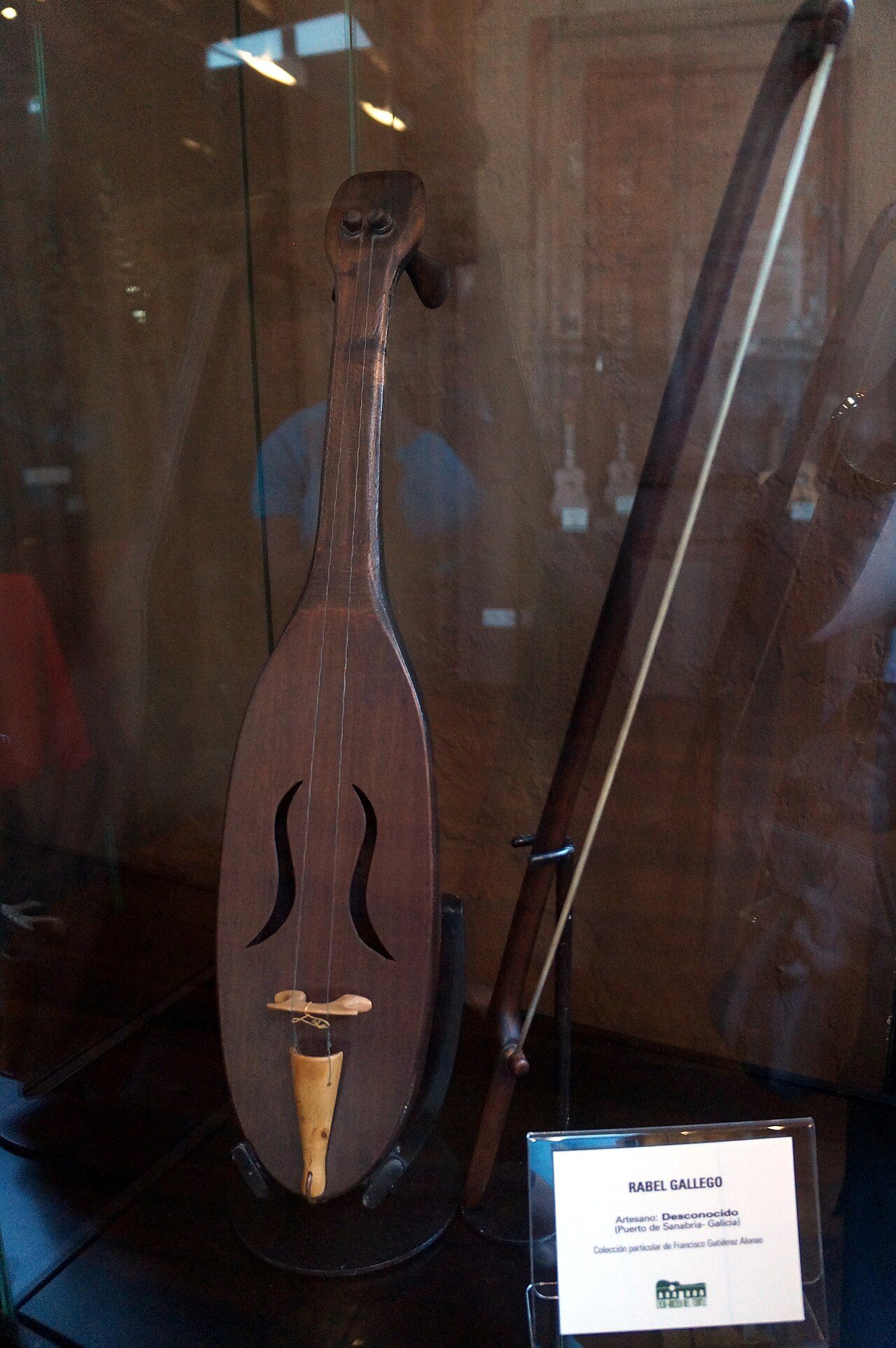
1 min read · 2 sourcesThe rabel (or arrabel, robel, rovel) is a bowed stringed instrument from Spain, a rustic folk-fiddle descended from the medieval rebec, with both perhaps descended from the Arab rabab. The instrument generally has two or three strings of gut or steel, or sometimes twisted horse-hair. The instrument is first mentioned in the 12th century, and it is still used in parts of Latin America, as well as the Spanish provinces of Cantabria and Asturias. The rebel is often associates with secular instrumental music, and the most common rabel used in the Middles ages was the soprano. 1
The text above is adapted from the Wikipedia article “Rabel (instrument)”, available under the Creative Commons Attribution-ShareAlike 4.0 licence. 1
rabel is Spanish bowed stringed instrument, according to the structured record cited below. This entry was generated automatically from that record and has not yet been reviewed by a person familiar with the tradition. 2
The source record links this tradition to 1 external register, which can be verified through the citation. 2