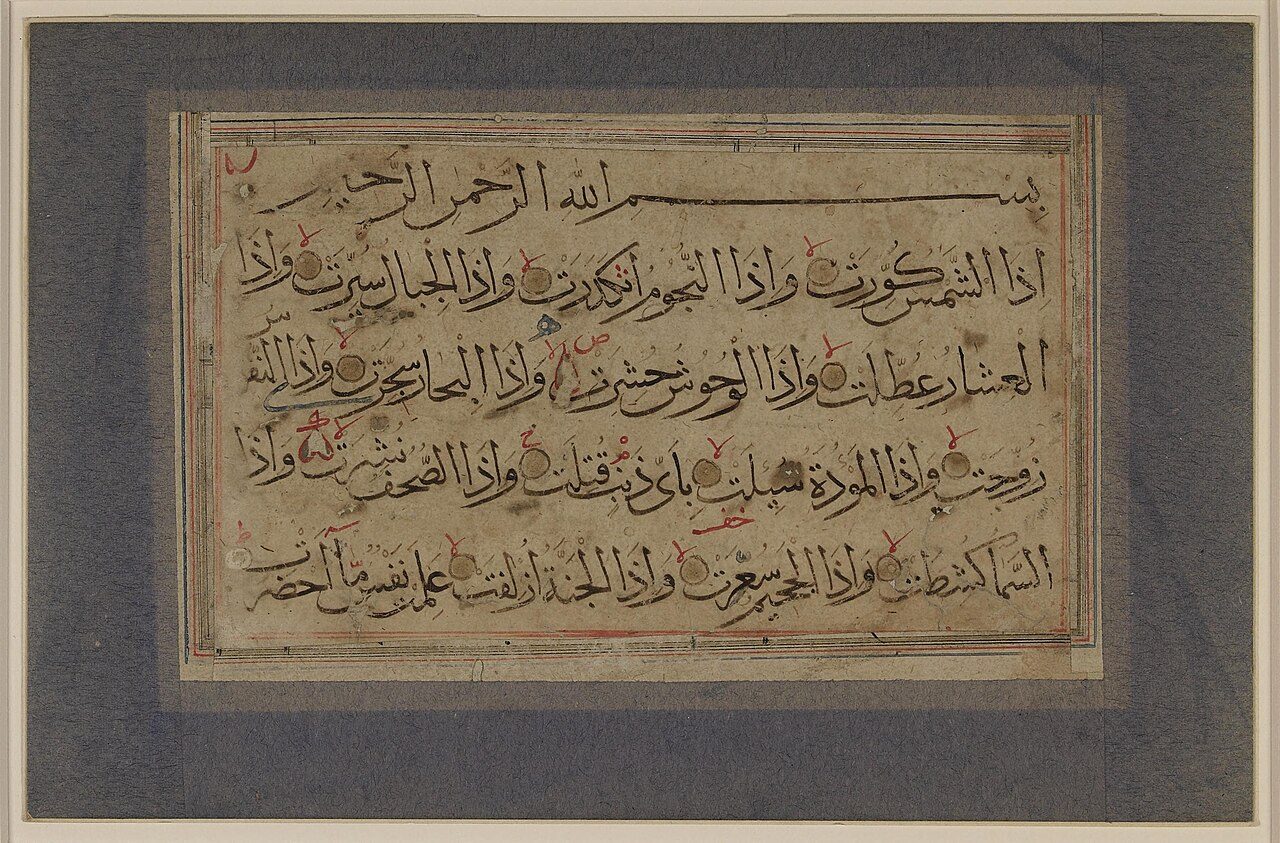
The tradition & historical record
1 min read · 2 sourcesReyhan or Rayḥānī (Arabic: ریحان) is one of the six canonical scripts of Perso-Arabic calligraphy. The word Reyhan means basil in Arabic and Persian. Reyhan is considered a finer variant of Muhaqqaq script, likened to flowers and leaves of basil. Rayḥānī was developed during the Abbasid era by Ibn al-Bawwab. Academic studies of Rayhani have included an analytical study of the technical characteristics of Yaqut al-Musta’simi's method. 1
The text above is adapted from the Wikipedia article “Rayhani script”, available under the Creative Commons Attribution-ShareAlike 4.0 licence. 1
Rayhani is one of the six canonical scripts of Perso-Arabic calligraphy, according to the structured record cited below. This entry was generated automatically from that record and has not yet been reviewed by a person familiar with the tradition. 2
The source record links this tradition to 2 external registers, which can be verified through the citation. 2