The tradition & historical record
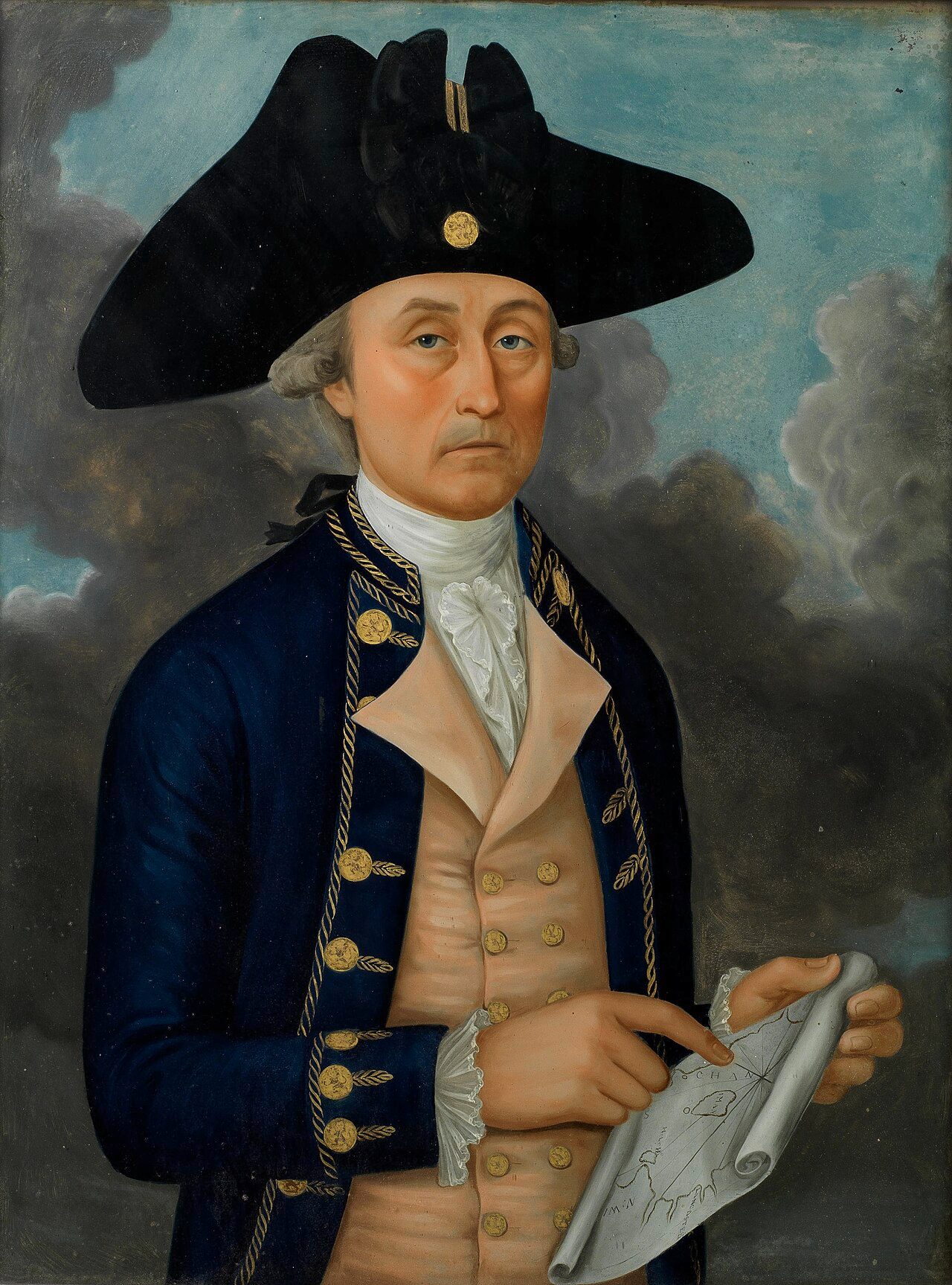
4 min read · 2 sourcesReverse painting on glass is an art form consisting of applying paint to a piece of glass and then viewing the image by turning the glass over and looking through the glass at the image. Another term used to refer to the art of cold painting and gilding on the back of glass is verre églomisé, named after the French decorator Jean-Baptiste Glomy (1711–86), who framed prints using glass that had been reverse-painted. In German it is known as Hinterglasmalerei. This art form has been around for many years. It was widely used for sacral paintings since the Middle Ages. The most famous was the art of icons in the Byzantine Empire. Later the painting on glass spread to Italy, where in Venice it influenced its Renaissance art. Since the middle of the 18th century, painting on glass became favored by the Church and the nobility throughout Central Europe. A number of clock faces were created using this technique in the early-to-mid-19th century. Throughout the 19th century painting on glass was widely popular as folk art in Austria, Bavaria, Moravia, Bohemia and Slovakia. Unfortunately, during the inter-war period (1914–1945) this traditional "naive" technique fell nearly to a complete oblivion and its methods of paint composition and structural layout had to be re-invented by combining acrylic and oil paints. A new method of reverse painting emerged using polymer glazing methods that permitted the artworks to be painted direct to an acrylic UV coating on the glass. 1
Technique
One of the main challenges of creating a reverse glass painting is how layers are applied when painting. An illustration of this type is usually painted on the opposite side of the glass (the one not presented to the audience), following an opposite succession of layers of paint, applying the front most layer first and the background layer last. In these artworks, the final result must be well thought out before starting the piece and must be taken into account with each layer applied. In realism, for example, pupils and eyebrows are painted first, before applying color to the skin or the eye’s sclera. 1
Process
A reverse glass painting has three fundamental steps, line art, painting of internal areas, and background. 1
Line art
The first step in a reverse glass painting, (identified in paintings such as those of Vassily Kandinsky, a Russian painter who created more than 70 reverse paintings on glass) is line art, with black lines that show the primary idea of the painting. In Kandinsky's illustrations, thick and defined lines are applied at the beginning of each reverse glass painting. 1
Internal areas
Four of Kandinsky's works of art investigated in-depth show more than two layers of applied paint that vary in thickness. The technique varies, but Kandinsky's paintings show internal layers with rapid sweeping brush strokes in large regions and stippling of color in other areas. To create depth, he paints wet-on-wet and sometimes on top but slightly off to the side to blend the colors. 1
Background
In reverse glass paintings, details and shadows usually are painted first, while backgrounds are painted last. Different colors can be applied one after the other after each layer has dried or a thin layer of paint before drying. In paintings like those of Kandinsky, black cardboards were used as background to intensify the depth of colors. In others, black backgrounds of paper or wood were necessary since reverse glass paintings are viewed using reflected light rather than traditional transmitted light. 1
The text above is adapted from the Wikipedia article “Reverse glass painting”, available under the Creative Commons Attribution-ShareAlike 4.0 licence. 1
Reverse glass painting is painting technique, according to the structured record cited below. This entry was generated automatically from that record and has not yet been reviewed by a person familiar with the tradition. 2
The source record links this tradition to 15 external registers, which can be verified through the citation. 2