The tradition & historical record
2 min read · 2 sourcesThe Sumida Hokusai Museum (Japanese: すみだ北斎美術館, Sumida Hokusai Bijutsukan) is an art museum in Sumida Ward, Tokyo, Japan, dedicated to the ukiyo-e artist Katsushika Hokusai (1760–1849). The museum opened on November 22, 2016, and includes more than 1,800 Hokusai-related items, including paintings, sketches, woodblock prints, and personal artifacts. The building was designed by Pritzker Prize-winning architect Kazuyo Sejima. 1
History
The Sumida Hokusai Museum was established to honor Katsushika Hokusai, who was born and spent most of his life in the Sumida area. The museum was developed by the local Sumida Ward government and opened on November 22, 2016, near Hokusai Dori, a street named in the artist's memory. The location was once part of the daimyō residence of the Tsugaru clan during the Edo period. Local tradition states that Hokusai once painted a folding screen for the clan at this site. 1
Architecture
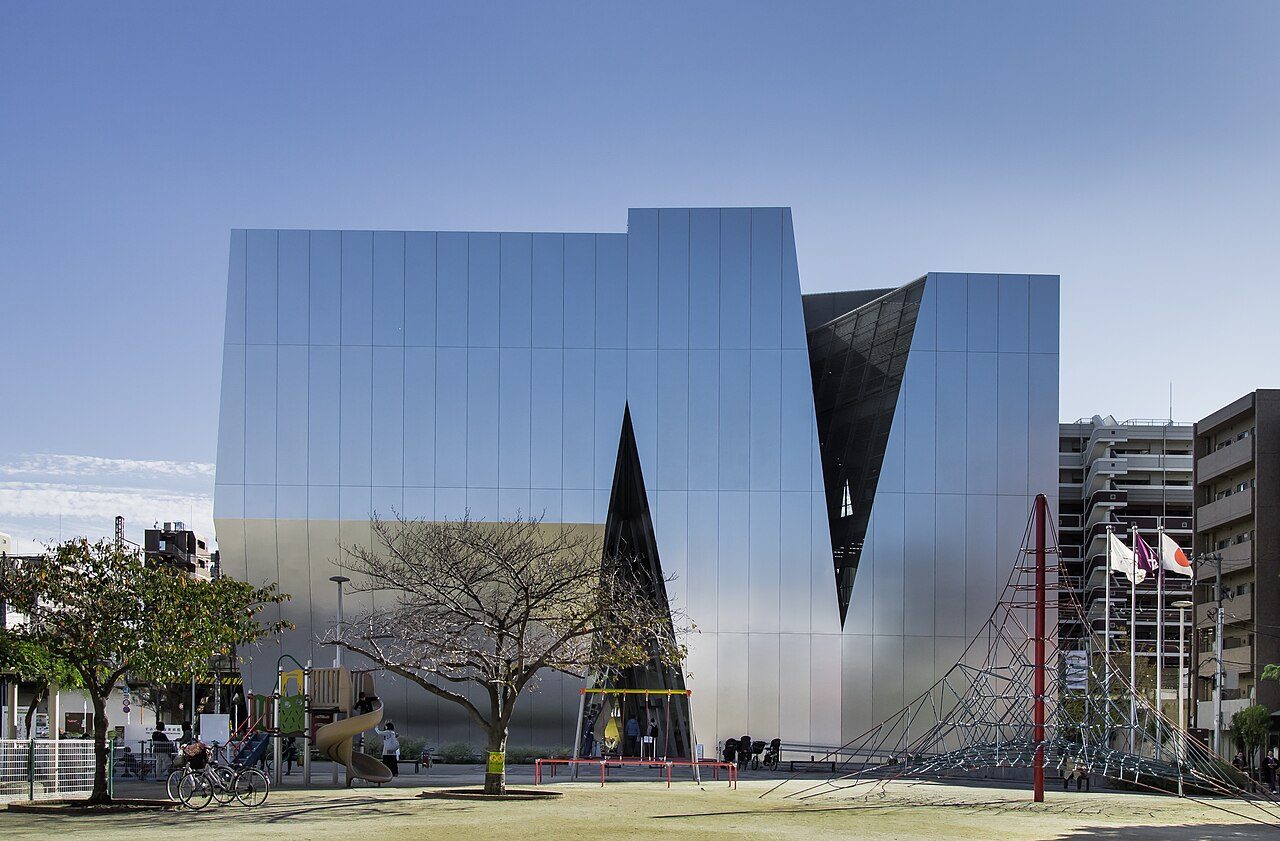
The building, designed by Kazuyo Sejima, features five interlocking volumes clad in reflective aluminum panels. 1
Publications
The museum has published a number of books about its collection and special exhibitions. 1
The text above is adapted from the Wikipedia article “Sumida Hokusai Museum”, available under the Creative Commons Attribution-ShareAlike 4.0 licence. 1
Sumida Hokusai Museum is museum in Japan, according to the structured record cited below. This entry was generated automatically from that record and has not yet been reviewed by a person familiar with the tradition. 2
The source record links this tradition to 18 external registers, which can be verified through the citation. 2