The tradition & historical record
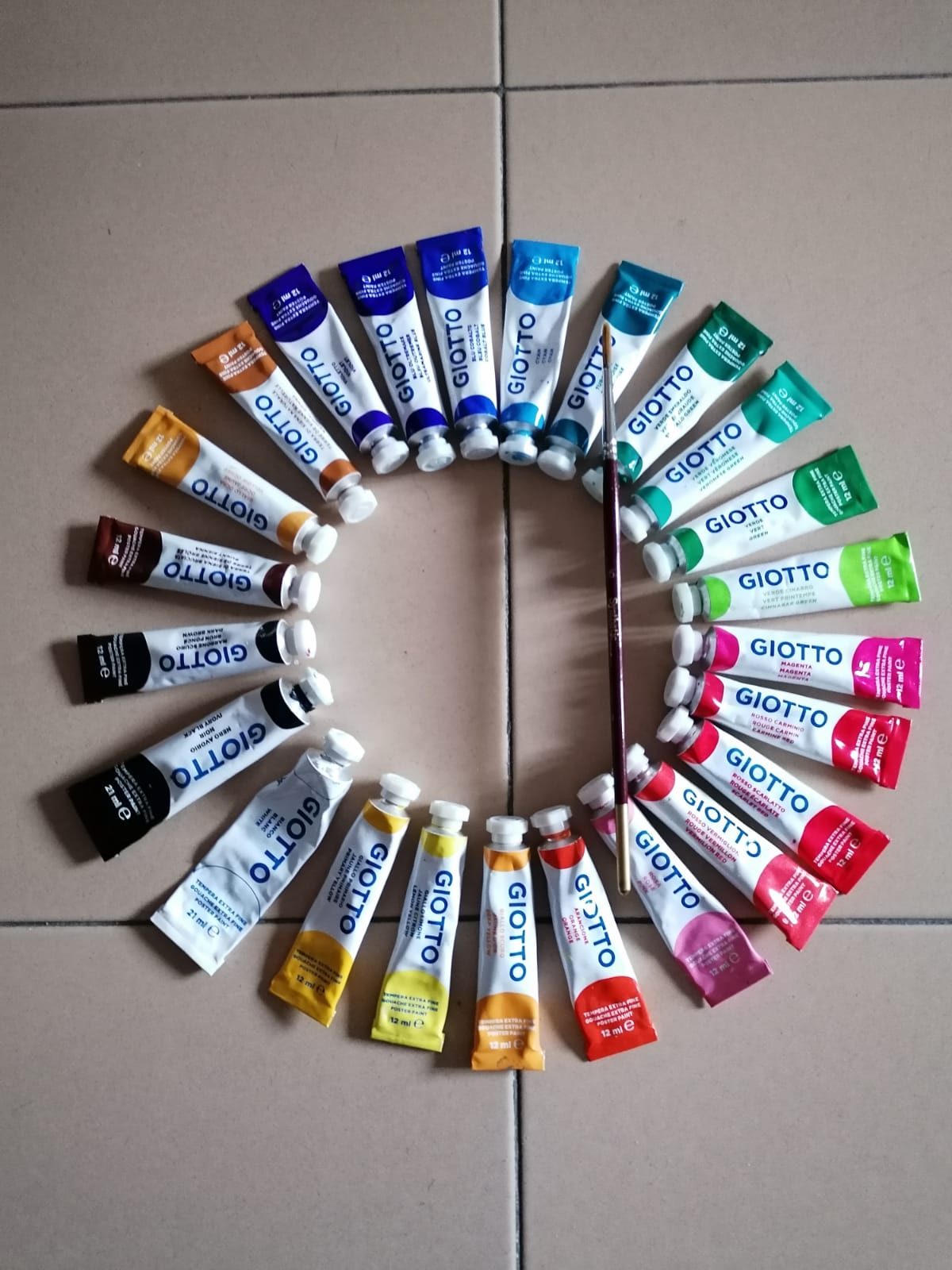
5 min read · 2 sourcesTempera (Italian: [ˈtɛmpera]) is a permanent, fast-drying painting medium consisting of pigments mixed with a water-soluble binder medium, usually glutinous material such as egg yolk. There are several types of tempera paint, but the type containing egg yolk is called egg tempera. Tempera paint made from milk protein is called casein paint. If the binder is synthetic PVA, the result is polyvinyl acetate tempera. A distemper paint consisting of pigment and binders such as cornstarch, gum arabic and other gums is called poster paint in certain parts of the world, and it is also often confusingly referred to as "tempera paint", although the binders in this paint are different from traditional egg tempera paints and the visual effect is more like gouache. The term tempera also refers to the paintings done in any of these tempera mediums. 1
Etymology
The term tempera is derived from the Italian dipingere a tempera ("paint in distemper"), from the Late Latin distemperare ("mix thoroughly"). 1
History
The earliest known examples of egg tempera are the prehistoric murals on the Domus de Janas chamber tombs in Sardinia, dating back to 3400-2700 BCE. Analysed samples dated to 1200 BCE also detected egg tempera in the murals of the Palace of Nestor in Pylos. It is frequently claimed that egg tempera painting has been found on early Egyptian sarcophagus decorations. Some Fayum mummy portraits also seem to have been done in tempera, sometimes in combination with encaustic painting made with melted wax, an alternative painting technique in the ancient world. However, recent scientific analysis has shown that animal glue was preferred to egg as a binder. It was probably also used for the murals of the 3rd century Dura-Europos synagogue. A related technique has been used also in ancient and early medieval paintings found in several caves and rock-cut temples in India. High-quality tempera art was created in Bagh Caves between the late 4th and 10th centuries, and in the 7th century in the Ravan Chhaya rock shelter located in Odisha. Tempera was known from the classical world, where it appears to have taken over from encaustic painting and was the main medium used for panel painting and illuminated manuscripts in the Byzantine world and Medieval and Early Renaissance Europe. Tempera painting was the primary panel painting medium for nearly every painter in the European Medieval and Early Renaissance period up to 1500. For example, most surviving panel paintings attributed to Michelangelo are executed in egg tempera, an exception being his Doni Tondo which uses both tempera and oil paint. Oil paint, which may have originated in Afghanistan between the 5th and 9th centuries and migrated westward in the Middle Ages, eventually superseded tempera in popularity. 1
Technique
Tempera is a broad term describing many types of paint, traditionally created by hand-grinding dry powdered pigments into a binding agent or medium, such as egg yolk, milk (in the form of casein) or a variety of plant gums. 1
Egg tempera
The most common form of classical tempera painting is "egg tempera". For this form most often only the contents of the egg yolk is used. The white of the egg and the membrane of the yolk are discarded (the membrane of the yolk is dangled over a receptacle and punctured to drain off the liquid inside). The egg yolk is diluted with water and used with pigment. Some kind of remedy is always added in different proportions. One recipe uses vinegar as a preservative, but only in small quantities, as vinegar will discolour pigments such as ultramarine. A few drops of vinegar will keep the solution for a week, but it is better to prepare fresh paint on a daily basis. Some egg tempera schools use different mixtures of egg yolk and water. Usually the ratio of yolk to water is 1:3, but other recipes use white wine (1 part yolk, 2 parts wine). Powdered pigment, or pigment that has been ground in distilled water, is placed onto a palette or bowl and mixed with a roughly equal volume of the binder. Some pigments require slightly more binder, some require less. When used to paint icons on church walls, liquid myrrh is sometimes added to the mixture to give the paint a pleasing odor, particularly as worshippers may find the egg tempera somewhat pungent for quite some time after completion. The paint mixture has to be constantly adjusted to maintain a balance between a "greasy" and "watery" consistency by adjusting the amount of water and yolk. As tempera gradually dries on the palette, the artist will add some water to preserve the consistency and to balance the thickening of the yolk on contact with air. Once prepared, the paint cannot be stored. 1
Tempera grassa
Adding oil in no more than a 1:1 ratio with the egg yolk by volume produces a water-soluble medium with many of the color effects of oil paint, although it cannot be painted thickly as it will crack. Tempera grassa was detected in several Renaissance paintings by artists such as Botticelli. 1
The text above is adapted from the Wikipedia article “Tempera”, available under the Creative Commons Attribution-ShareAlike 4.0 licence. 1
tempera is painting medium consisting of colored pigment mixed with a water-soluble binder medium, according to the structured record cited below. This entry was generated automatically from that record and has not yet been reviewed by a person familiar with the tradition. 2
The source record links this tradition to 21 external registers, which can be verified through the citation. 2