The tradition & historical record
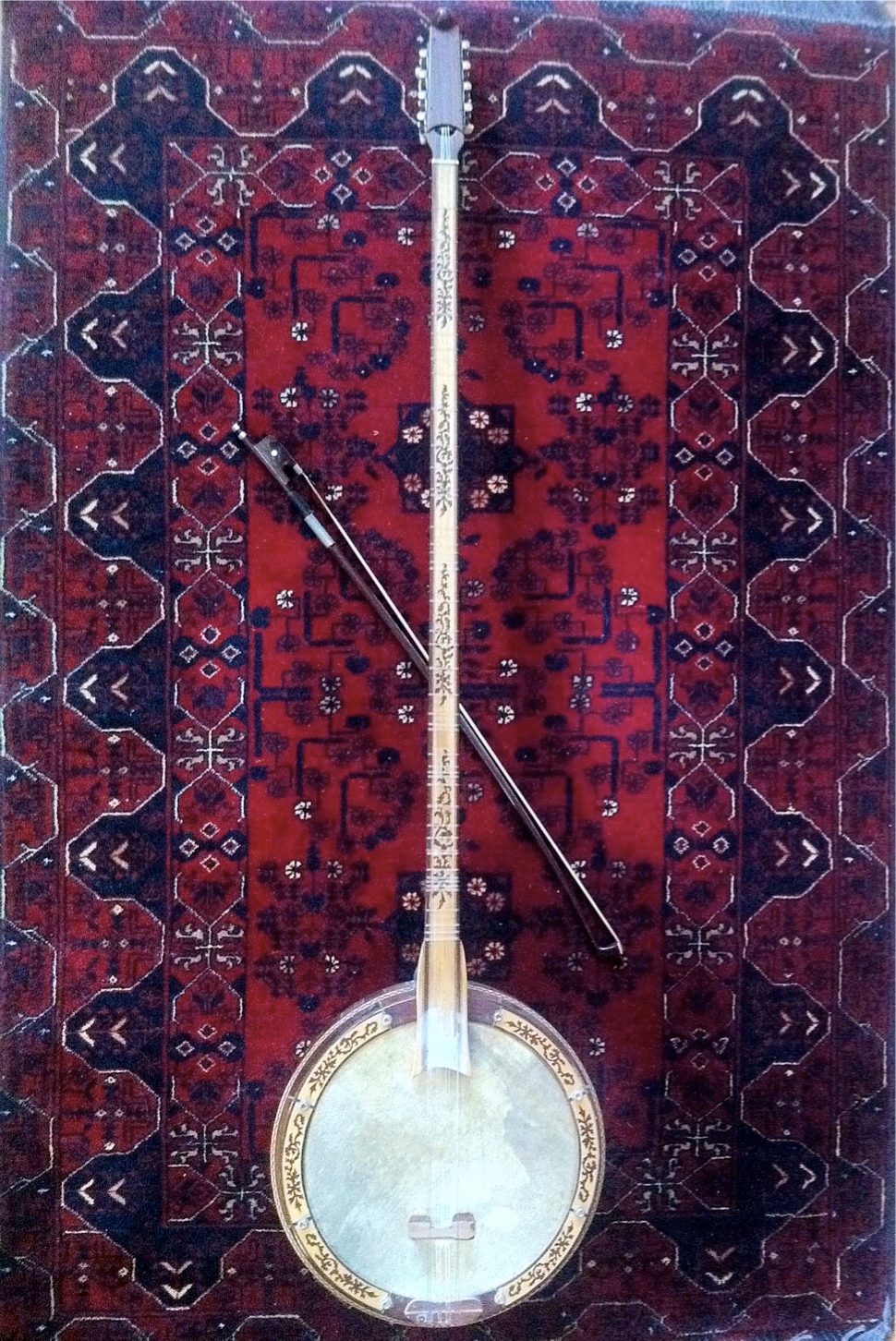
2 min read · 2 sourcesThe yaylı tambur is a bowed long-neck lute from Turkey. Derived from the older plucked mızraplı tambur variant of the Turkish tambur, it has a long, fretted neck and a round metal or wooden soundbox which is often covered on the front with a skin or acrylic head similar to that of a banjo. The instrument is held vertically, with the soundbox resting in the player's lap or between the calves or it can be worn on a strap. The bow is grasped sideways, with the little, ring and middle fingers pressing on the horsehairs, while the thumb and index fingers hold the rightmost wooden edge of the bow or it can be held overhand like a Cello Bow to allow for more expressiveness. The leftmost strings of the instrument unite into a single course to form a doubled-string which is tuned to a unison that is lifted slightly from the bridge. This is where all melodic playing takes place. The rest are sympathetic strings numbering from 4 to 6 which are tuned to the octave, fifth and/or fourth of the main doubled-string. Due to the special nature of the instrument, the neck behaves as though it was unfretted despite the ordinary placement of numerous frets (anywhere from 24 to 34 or more to the octave). That is to say, the fingers can press down on unfretted parts of the neck to achieve the same effect as stopping the frets. This allows the glissandi and portamenti to be executed flawlessly which constitute the primary characteristics of the yaylı tambur. 1
The text above is adapted from the Wikipedia article “Yaylı tambur”, available under the Creative Commons Attribution-ShareAlike 4.0 licence. 1
yaylı tanbur is long-neck lute from Turkey, according to the structured record cited below. This entry was generated automatically from that record and has not yet been reviewed by a person familiar with the tradition. 2
The source record links this tradition to 2 external registers, which can be verified through the citation. 2