The tradition & historical record
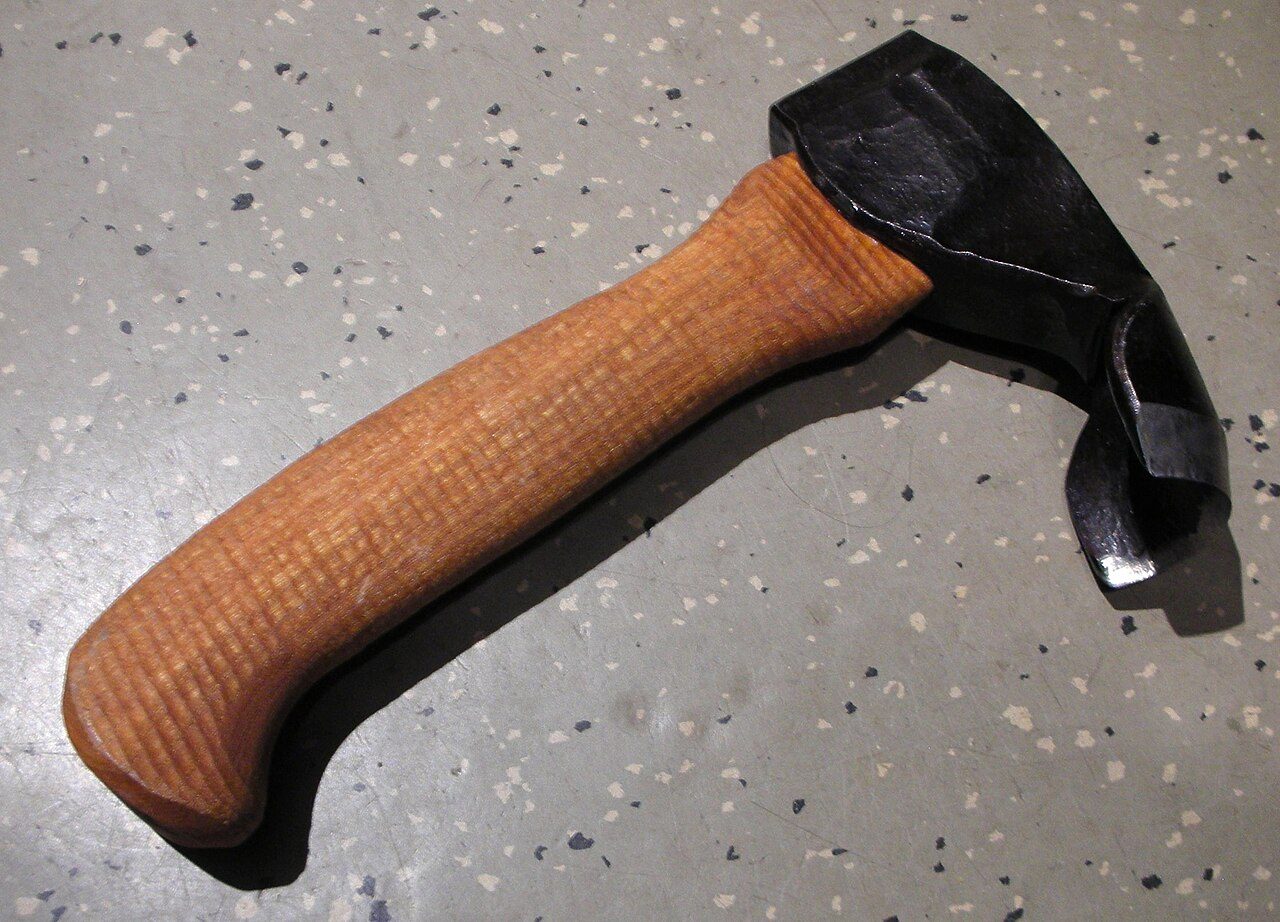
4 min read · 13 sourcesStudio craft, or the studio craft movement, is the practice of craft methodology in an artist's or designer's studio. In contrast to traditional craft, which is done by craftsmen like cabinet makers or Ceramicists in a professional workshop, studio craft is when a designer or artist, who may have a more general understanding of any specific craft, produces objects themselves out of their own studio. Studio craft objects are often one of a kind, or produced in small quanitities. Studio craft object can be anything from a simple handmade bottle opener made by Michael Marriott to a highly sought-after chair made by Charles Rohlfs. 1
Craft theory
Though studio craft works do seem to have some of the necessary conditions required for injection into critical art discourse, simplifying craft theory as synonymous with art theory strikes some crafts theorists as problematic. Glenn Adamson argues that the interesting thing about Craft is that it is perceived to be 'inferior' to art. In his book Thinking Through Craft Adamson presents an overview of this question in five chapters: supplemental, material, skilled, pastoral, and amateur Contrary to the implied second-class status of these themes, Adamson suggests that these are in fact the things that make craft significant and unique. Another craft theorist, Jenni Sorkin, uses Craft as a distinct portal into topics such as labor, gender, and community. 1
History
The Arts and Crafts movement (1880–1920), had significant influence in the formulation of the studio crafts due in large part to the arts and crafts movement's emphasis on both the handmade object and the importance of the individual maker. This has been especially true in North America (see American craft) and the British Isles. Early furniture makers in this field include Gustav Stickley, Charles Rohlfs, Frank Lloyd Wright, and brothers Charles Sumner Green and Henry Mather Green (Greene and Greene). The 1969 seminal exhibition OBJECTS:USA was a watershed moment aimed at bridging the century old divide between art and craft. To label themself as artist or craftsman was left to the individuals involved. The primary requirement was to have made the object in their studio themselves from start to finish, and essentially to their own taste and for their own spiritual satisfaction, as opposed to handing off their design to an industrial producer. The exhibition was intended as a comprehensive survey of what ultimately became known as the Studio Craft Movement. The book OBJECTS:USA grew out of the much celebrated exhibit that opened at the Smithsonian Institution, Washington, before touring the USA and Europe. Lee Nordness, the author of the book and curator of the exhibit, sought to highlight and at least contribute to resolving the primary dilemma as to where an object and its maker are to be placed within what he referred to as the, "arbitrary hierarchy between craft and fine art". Perhaps an ideal example in the show of the challenges the makers faced regarding the ongoing argument between fine art and craft, would be the four foot by seven foot vitreous enamel mural on copper produced by artist Paul Hultberg that was featured in the exhibit.