Opening room…
Skip to content
Head-to-Head Archival Dossier · Dance
Abbots Bromley Horn Dance vs Kalaripayattu Martial Art & Body Discipline: Side-by-Side Archival Comparison
Side-by-side comparison of Abbots Bromley Horn Dance (Abbots Bromley, Staffordshire, United Kingdom) and Kalaripayattu Martial Art & Body Discipline (Kozhikode, Kannur & Thiruvananthapuram, Kerala, India) across cultural family, chronology, materials, instruments, and living vitality.
12-Point Archival Comparison Table: Abbots Bromley Horn Dance vs Kalaripayattu Martial Art & Body Discipline
Study & Syllabus Export Tools · CC BY-SA 4.0
| Dimension | 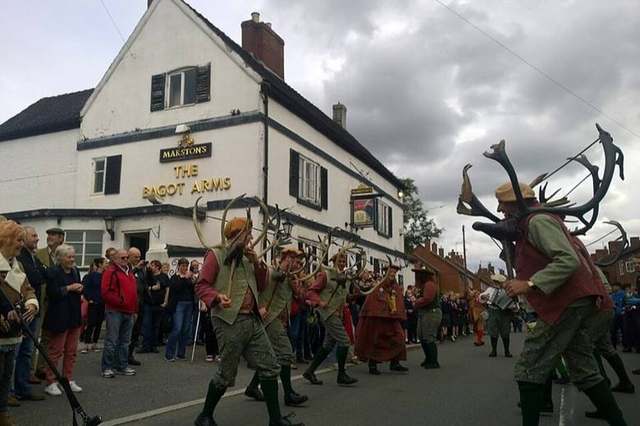 Abbots Bromley Horn Dance | 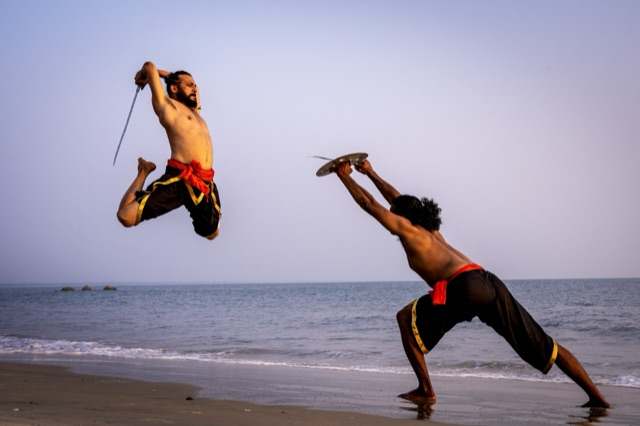 Kalaripayattu Martial Art & Body Discipline |
|---|---|---|
| Tradition Name | Abbots Bromley Horn Dance | Kalaripayattu Martial Art & Body Discipline |
| Native Script / Endonym | Horn Dance | കളരിപ്പയറ്റ് |
| Cultural Family | Dance | Dance |
| Primary Geography & Origin | Abbots Bromley, Staffordshire, United Kingdom | Kozhikode, Kannur & Thiruvananthapuram, Kerala, India |
| World Region | Europe | Asia |
| First Attested / Era | 11th century | 11th–12th century |
| UNESCO & Inventory Status | National Inventory | National Inventory |
| Vitality Assessment | ■■■□ Stable | ■■■■ Thriving |
| Instruments & Accompaniment | Melodeon, Triangle | Otta curved wooden staff, Urumi flexible steel whip-sword, valum parichayum (sword & shield) |
| Materials & Medium | 11th-century Scandinavian reindeer antlers, Carved wooden hobby-horse | Gingelly & medicated uzhichil oils, Compacted red laterite earth floor |
| Practitioner Lineages | Abbots Bromley Horn Dancers | CVN Kalari & Northern/Southern Gurukkal Lineages of Kerala |
| Cited Archival Sources | 7 verified sources | 11 verified sources |
Key Differences Between Abbots Bromley Horn Dance and Kalaripayattu Martial Art & Body Discipline
- Geography & Origin: Abbots Bromley Horn Dance is rooted in Abbots Bromley, Staffordshire, United Kingdom (attested 11th century), whereas Kalaripayattu Martial Art & Body Discipline originates in Kozhikode, Kannur & Thiruvananthapuram, Kerala, India (attested 11th–12th century).
- Classification & Form: Abbots Bromley Horn Dance belongs to the Dance family (English village custom danced each Wakes Monday in Staffordshire with six sets of reindeer antlers radiocarbon-dated to circa 1065 CE.), while Kalaripayattu Martial Art & Body Discipline is documented under Dance (Ancient martial, therapeutic, and choreographic discipline of Kerala practised inside sunken earthen kalari gymnasiums, foundational to Kathakali, Theyyam, and Koodiyattam physical training.).
- Instruments & Materials: Abbots Bromley Horn Dance relies on Melodeon, Triangle, 11th-century Scandinavian reindeer antlers, Carved wooden hobby-horse; by contrast, Kalaripayattu Martial Art & Body Discipline uses Otta curved wooden staff, Urumi flexible steel whip-sword, valum parichayum (sword & shield), Gingelly & medicated uzhichil oils, Compacted red laterite earth floor.
- Heritage Recognition & Vitality: Abbots Bromley Horn Dance is assessed as STABLE (National Inventory), while Kalaripayattu Martial Art & Body Discipline is assessed as THRIVING (National Inventory).
Shared Cultural & Historical Parallels
- Both Abbots Bromley Horn Dance and Kalaripayattu Martial Art & Body Discipline belong to the Dance domain and transmit repertoire across generations through master-disciple lineage rather than commercial mass production.
- Across United Kingdom and India, both traditions demonstrate how local communities safeguard ancestral craft and performance knowledge through guild, temple, or village stewardship.
Frequently Asked Questions
What is the main difference between Abbots Bromley Horn Dance and Kalaripayattu Martial Art & Body Discipline?
Abbots Bromley Horn Dance is a dance tradition from Abbots Bromley, Staffordshire, United Kingdom (English village custom danced each Wakes Monday in Staffordshire with six sets of reindeer antlers radiocarbon-dated to circa 1065 CE.), whereas Kalaripayattu Martial Art & Body Discipline is a dance tradition from Kozhikode, Kannur & Thiruvananthapuram, Kerala, India (Ancient martial, therapeutic, and choreographic discipline of Kerala practised inside sunken earthen kalari gymnasiums, foundational to Kathakali, Theyyam, and Koodiyattam physical training.).
Where did Abbots Bromley Horn Dance and Kalaripayattu Martial Art & Body Discipline originate?
Abbots Bromley Horn Dance originated in Abbots Bromley, Staffordshire, United Kingdom (11th century). Kalaripayattu Martial Art & Body Discipline originated in Kozhikode, Kannur & Thiruvananthapuram, Kerala, India (11th–12th century).
What instruments or materials are used in Abbots Bromley Horn Dance vs Kalaripayattu Martial Art & Body Discipline?
Abbots Bromley Horn Dance uses Melodeon, Triangle, 11th-century Scandinavian reindeer antlers, Carved wooden hobby-horse. Kalaripayattu Martial Art & Body Discipline uses Otta curved wooden staff, Urumi flexible steel whip-sword, valum parichayum (sword & shield), Gingelly & medicated uzhichil oils, Compacted red laterite earth floor.
Are Abbots Bromley Horn Dance and Kalaripayattu Martial Art & Body Discipline recognized by UNESCO?
Abbots Bromley Horn Dance heritage status: National Inventory. Kalaripayattu Martial Art & Body Discipline heritage status: National Inventory.