Complete state-wise guide to the folk, ritual, and classical dances of India — including Kathakali, Theyyam, Chhau, Sattriya, Gotipua, Kalbelia, Bihu, Garba, and Kalaripayattu — with places of origin, instruments, UNESCO years, and citations.

| Tradition | Region / Place | Family | Attested | Recognition | Instruments / Materials | Vitality |
|---|---|---|---|---|---|---|
![]() Kathakali കഥകളി | Thrissur, Kerala, India | Dance | 17th century | National Inventory | Chenda, Maddalam, Chengila, Ilathalam | ■■■□ Stable |
![]() Chhau dance छौ नृत्य | Seraikela & Purulia, India | Dance | 18th century | Representative List (2010) | Dhumsa, Dhol, Mahuri, Chadchadi | ■■■□ Stable |
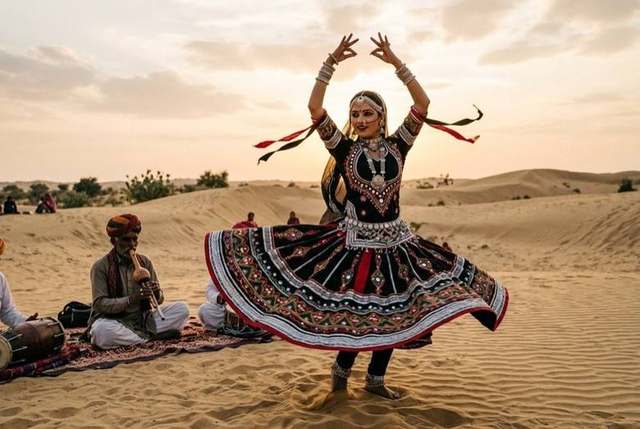
![]() Kalbelia कालबेलिया | Thar Desert, Rajasthan, India | Dance | Medieval | Representative List (2010) | Pungi (Been), Khanjari, Morchang, Dholak | ■■■□ Stable |
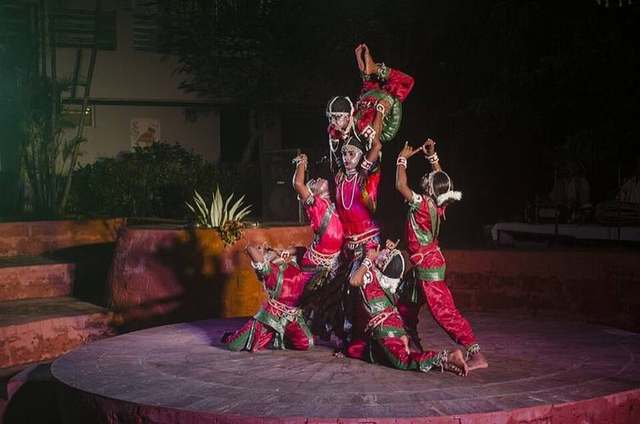
![]() Gotipua ଗୋଟିପୁଅ | Raghurajpur, Odisha, India | Dance | 16th century | National Inventory | Mardala, Gini cymbals, Bansuri flute, Kanhapa silk dhoti | ■■■□ Stable |
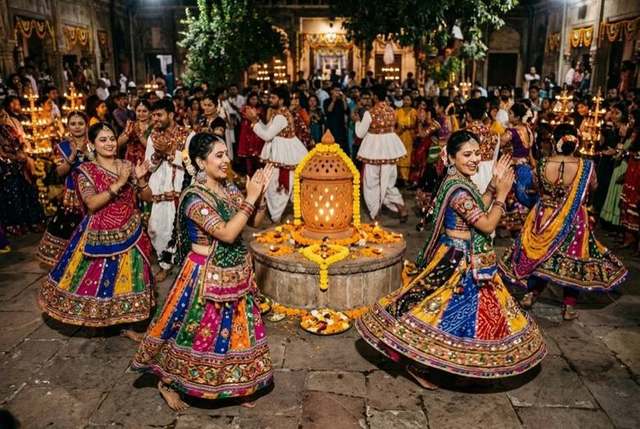
![]() Garba ગરબા | Ahmedabad & Vadodara, Gujarat, India | Dance | Medieval | Representative List (2023) | Dhol, Dholak, Shehnai, Manjira cymbals | ■■■■ Thriving |
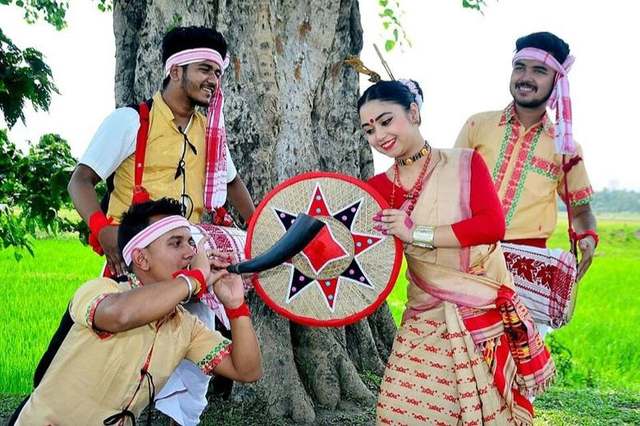
![]() Bihu dance বিহু নাচ | Brahmaputra Valley, Assam, India | Dance | 17th century | National Inventory | Dhol, Pepa buffalo-horn pipe, Gagana bamboo harp, Toka clapper | ■■■■ Thriving |
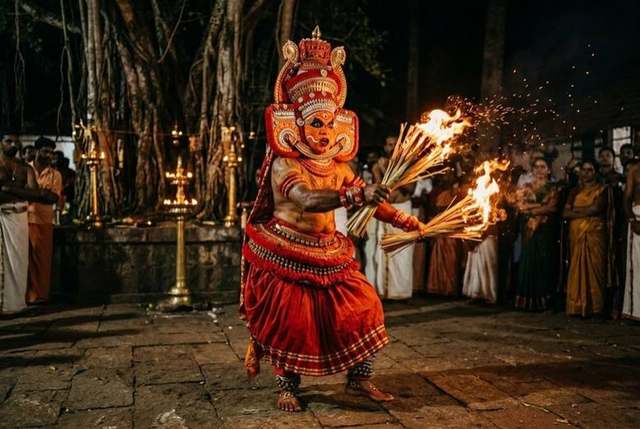
![]() Theyyam തെയ്യം | Kannur & Kasaragod, North Malabar, India | Dance | Ancient / Pre-Brahmanical | National Inventory | Chenda, Veekkan chenda, Ilathalam, Kurumkuzhal | ■■■□ Stable |
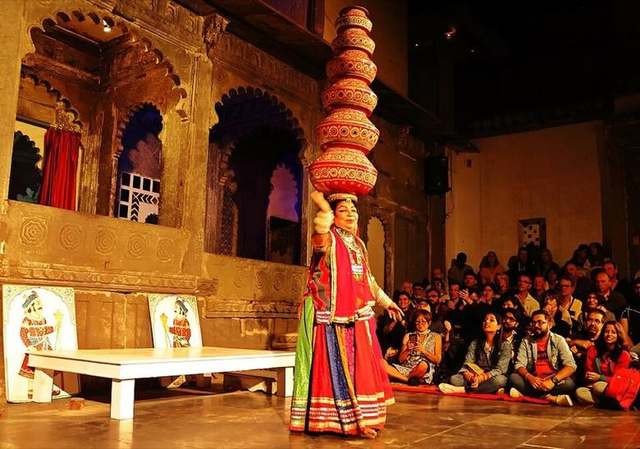
![]() Bhavai dance भवाई नृत्य | Udaipur & Jodhpur, Rajasthan, India | Dance | 14th century | National Inventory | Sarangi, Dholak, Manjira, Harmonium | ■■■□ Stable |
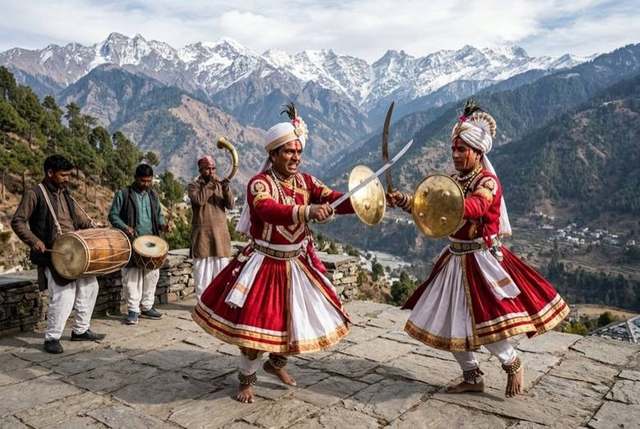
![]() Chholiya छोलिया | Almora & Pithoragarh, Uttarakhand, India | Dance | 10th century | National Inventory | Dhol-Damau, Ransingha copper horn, Turi, Masakbeen | ■■■□ Stable |
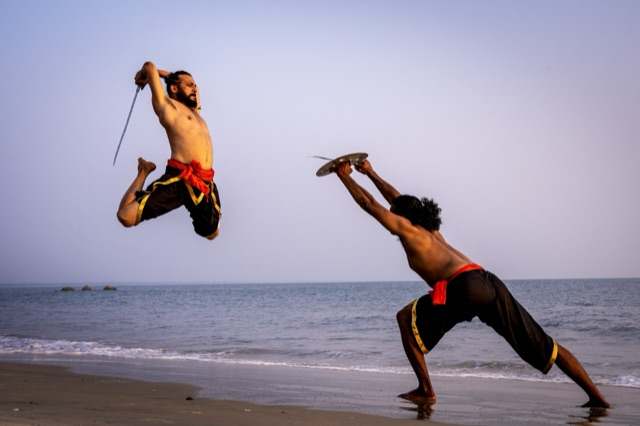
![]() Kalaripayattu Martial Art & Body Discipline കളരിപ്പയറ്റ് | Kozhikode, Kannur & Thiruvananthapuram, Kerala, India | Dance | 11th–12th century | National Inventory | Otta curved wooden staff, Urumi flexible steel whip-sword, valum parichayum (sword & shield), Gingelly & medicated uzhichil oils | ■■■■ Thriving |
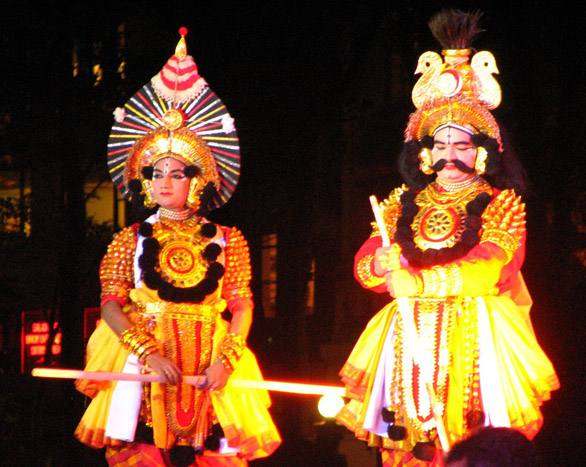
![]() Yakshagana All-Night Coastal Dance-Drama ಯಕ್ಷಗಾನ | Udupi, Dakshina Kannada, Uttara Kannada & Kasaragod, India | Dance | 16th century | National Inventory | Chande, Maddale, Harmonium / Sruti, Chakrathala cymbals | ■■■■ Thriving |
Classical dance-drama of Kerala told entirely through mudra hand-gestures, facial expression, and percussion, without a single word spoken by the actor.
Martial and folk dance of eastern India performed during the spring Chaitra Parva festival in three regional schools: Seraikela, Mayurbhanj, and Purulia.
Whirling desert dance and improvised folk songs of the nomadic Kalbelia community of Rajasthan, accompanied by the pungi gourd reed pipe and khanjari.
Acrobatic temple dance of Odisha performed by young boys dressed as Radha and Krishna, and the direct historical precursor of classical Odissi.
Nine-night Navaratri circle dance of Gujarat performed counterclockwise around a perforated clay garbi lamp and image of the Mother Goddess.
Vernal Rongali Bihu harvest dance of Assam performed to the buffalo-horn pepa pipe, bamboo gagana jaw harp, and two-headed dhol.
Sacred ritual dance and living deity embodiment of North Malabar in which the performer wears towering bamboo-and-cloth mudi headgear inside kavu shrine groves.
Rajasthani equilibrium dance in which women balance seven to eleven brass or earthen pitchers on their heads while pirouetting on the rim of a brass plate.
Kumaoni sword-and-shield martial procession dance of the central Himalayas performed at Rajput wedding barat processions with brass turi horns.
Ancient martial, therapeutic, and choreographic discipline of Kerala practised inside sunken earthen kalari gymnasiums, foundational to Kathakali, Theyyam, and Koodiyattam physical training.
All-night open-air dance-drama of coastal Karnataka and northern Kerala combining Bhagavata raga singing, chande-maddale percussion, towering mundasu headgear, and extempore spoken dialogue.
This guide documents 11 living traditions, including Kathakali (Thrissur, Kerala), Chhau dance (Seraikela & Purulia), Kalbelia (Thar Desert, Rajasthan), Gotipua (Raghurajpur, Odisha), Garba (Ahmedabad & Vadodara, Gujarat), Bihu dance (Brahmaputra Valley, Assam). Every entry includes its place of origin, cultural family, vitality assessment, and cited sources.
Each tradition is classified under one of the seven cultural families (Dance, Music, Theatre, Painting, Craft, Textile, or Oral Tradition) and verified against UNESCO registers, national academy inventories, and ethnographic monographs under CC BY-SA 4.0.
UNESCO Representative List dance traditions of India include Chhau Dance (2010, Odisha/Jharkhand/West Bengal), Kalbelia (2010, Rajasthan), Mudiyettu (2010, Kerala), and Garba of Gujarat (2023). Classical & monastic dance lineages represented in the archive include Kathakali and Koodiyattam (Kerala), Sattriya (Majuli, Assam), and Gotipua (Raghurajpur, Odisha). Martial movement and ritual spirit-embodiment forms such as Kalaripayattu and Theyyam in northern Malabar combine percussion (chenda, ilathalam) with sacred grove (kavu) architecture.
A free public archive of the world’s living and endangered cultural traditions — documented with primary sources, geographic coordinates, and open-licensed photography. Two rooms, one wall. The door is open.
folkroom — Archive of Living Traditions · Text CC BY-SA 4.0 · Images credited & licensed individually
Open commons: Wikimedia Commons · UNESCO ICH · Openverse · Flickr CC · Wikidata · No trackers · No ads