
State-wise archival guide to India's folk music, mystic minstrelsy, and oral epic traditions — Baul singing of Bengal, Pandavani of Chhattisgarh, Manganiyar & Langa traditions of Rajasthan, and Vedic chanting — with instruments and lineages.
| Tradition | Region / Place | Family | Attested | Recognition | Instruments / Materials | Vitality |
|---|---|---|---|---|---|---|
![]() Kathakali കഥകളി | Thrissur, Kerala, India | Dance | 17th century | National Inventory | Chenda, Maddalam, Chengila, Ilathalam | ■■■□ Stable |
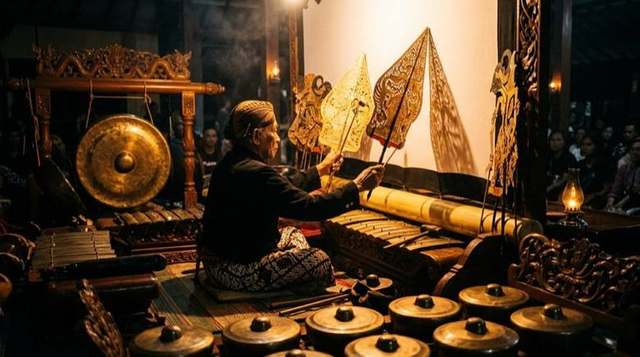
![]() Wayang Kulit ꦮꦪꦁꦏꦸꦭꦶꦠ꧀ | Yogyakarta & Surakarta, Java, Indonesia | Storytelling | 9th century | Representative List (2008) | Javanese Gamelan, Cempala, Kepyak, Perforated water-buffalo parchment | ■■■■ Thriving |

![]() Chhau dance छौ नृत्य | Seraikela & Purulia, India | Dance | 18th century | Representative List (2010) | Dhumsa, Dhol, Mahuri, Chadchadi | ■■■□ Stable |
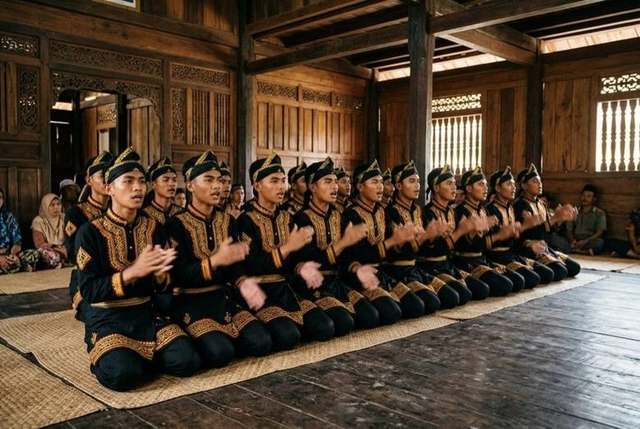
![]() Saman Tari Saman | Gayo Lues, Aceh, Indonesia | Music | 14th century | Urgent Safeguarding (2011) | Unaccompanied voice, Chest & palm percussion, Kerawang Gayo embroidered vest and headband | ■■□□ Fading |
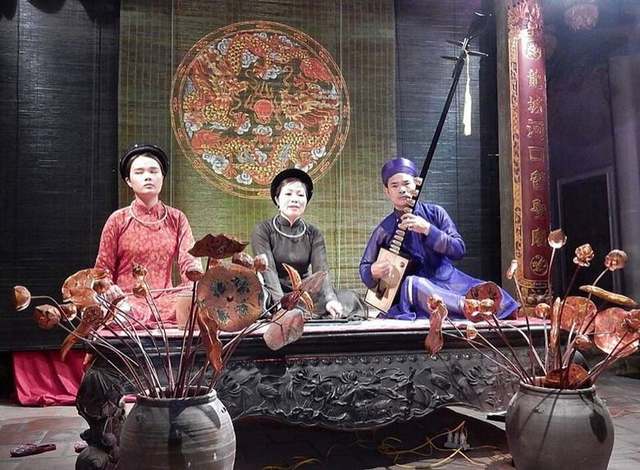
![]() Ca trù 歌籌 | Hanoi & Red River Delta, Vietnam | Music | 15th century | Urgent Safeguarding (2009) | Phách bamboo clappers, Đàn đáy three-stringed lute, Trống chầu praise drum | ■□□□ Critical |
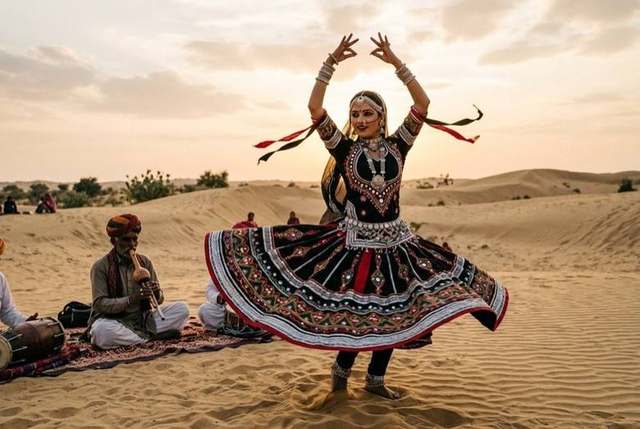
![]() Kalbelia कालबेलिया | Thar Desert, Rajasthan, India | Dance | Medieval | Representative List (2010) | Pungi (Been), Khanjari, Morchang, Dholak | ■■■□ Stable |
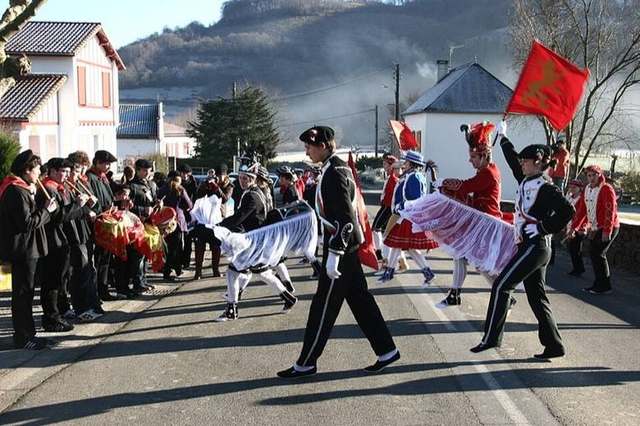
![]() Maskarada of Soule Xiberoko Maskarada | Zuberoa, Basque Country, France | Storytelling | 17th century | National Inventory | Xirula three-hole flute, Ttun-ttun stringed tambor, Embroidered wool tunics, Wicker hobby-horse frame | ■■■□ Stable |
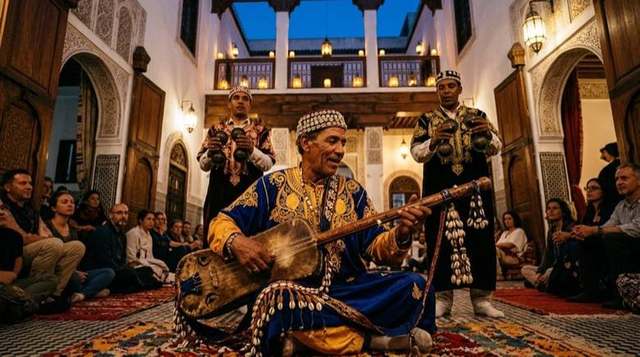
![]() Gnawa كناوة | Essaouira & Marrakech, Morocco | Music | 16th century | Representative List (2019) | Guembri (Sintir), Qraqeb iron castanets, Tbel drum, Carved walnut body | ■■■■ Thriving |
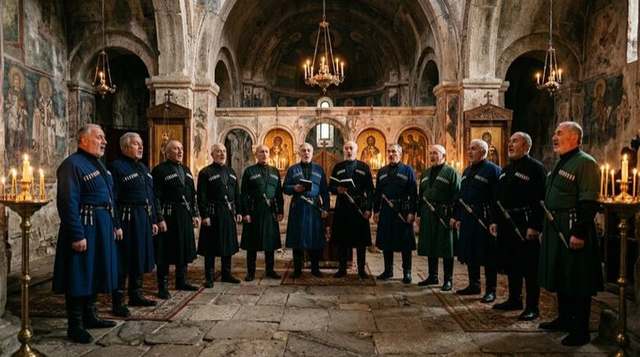
![]() Georgian Polyphonic Singing ქართული მრავალხმიანობა | Tbilisi, Svaneti & Guria, Georgia | Music | 4th century | Representative List (2008) | Unaccompanied 3-part chorus, Chonguri, Panduri | ■■■□ Stable |
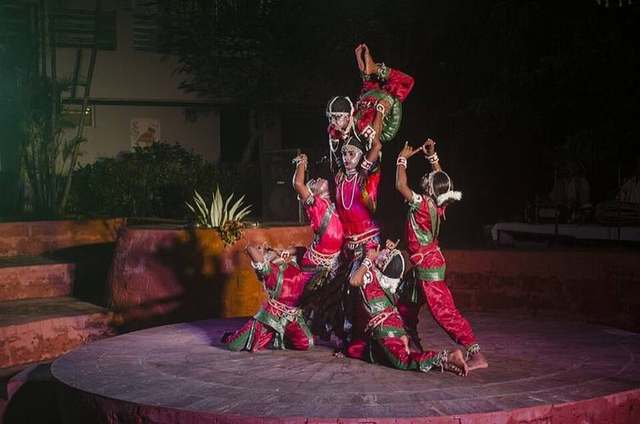
![]() Gotipua ଗୋଟିପୁଅ | Raghurajpur, Odisha, India | Dance | 16th century | National Inventory | Mardala, Gini cymbals, Bansuri flute, Kanhapa silk dhoti | ■■■□ Stable |
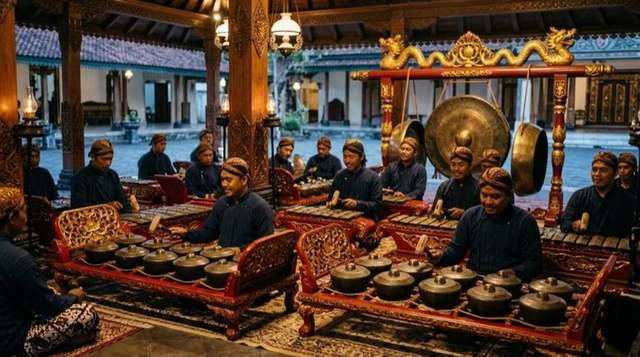
![]() Javanese Gamelan ꦒꦩꦼꦭꦤ꧀ | Surakarta & Yogyakarta, Indonesia | Music | 8th century | Representative List (2021) | Gong Ageng, Bonang, Saron, Gender | ■■■■ Thriving |
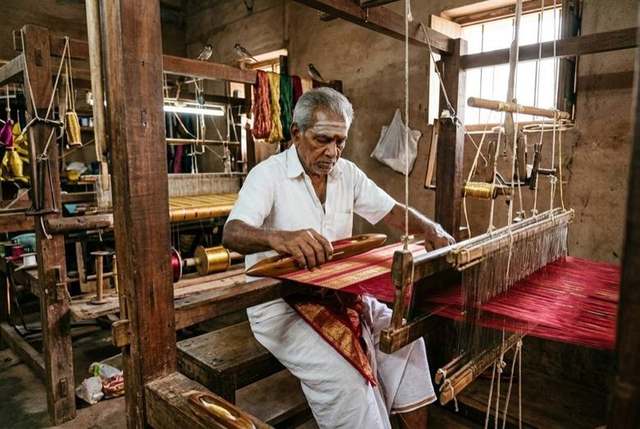
![]() Kanjeevaram Silk Weaving காஞ்சிபுரம் பட்டு | Kanchipuram, Tamil Nadu, India | Textile | 16th century | National Inventory | Throw-shuttle pit loom, Adai harness system, Three-shuttle korvai, Three-ply mulberry silk | ■■■■ Thriving |
Classical dance-drama of Kerala told entirely through mudra hand-gestures, facial expression, and percussion, without a single word spoken by the actor.
All-night Javanese shadow puppet theatre directed by a single dalang master behind a lit linen kelir screen with bronze gamelan orchestra.
Martial and folk dance of eastern India performed during the spring Chaitra Parva festival in three regional schools: Seraikela, Mayurbhanj, and Purulia.
Gayo highland polyrhythmic kneeling chant and body-percussion dance performed without musical instruments along a single tightly packed row.
Vietnamese chamber music and sung poetry performed by a female đào nương vocalist striking wooden clappers alongside a three-stringed đàn đáy lute.
Whirling desert dance and improvised folk songs of the nomadic Kalbelia community of Rajasthan, accompanied by the pungi gourd reed pipe and khanjari.
Winter carnival procession and open-air pastoral theatre of the Basque province of Soule, opposing the graceful Gorriak ('Reds') and unruly Beltzeria ('Blacks').
Moroccan brotherhood music and all-night Lila therapeutic ceremony led by a Maâlem on the three-stringed guembri lute and iron qraqeb.
Three-part secular and liturgical vocal polyphony of the Caucasus featuring untempered fifths, sharp dissonances, and Gurian krimanchuli yodeling.
Acrobatic temple dance of Odisha performed by young boys dressed as Radha and Krishna, and the direct historical precursor of classical Odissi.
Hand-forged bronze percussion orchestra of gongs, metallophones, drums, flute, and bowed lute tuned to sléndro and pélog scales.
Handloom silk-weaving tradition of Kanchipuram combining mulberry silk from Karnataka with silver-gilt zari thread from Surat using the three-shuttle korvai technique.
This guide documents 12 living traditions, including Kathakali (Thrissur, Kerala), Wayang Kulit (Yogyakarta & Surakarta, Java), Chhau dance (Seraikela & Purulia), Saman (Gayo Lues, Aceh), Ca trù (Hanoi & Red River Delta), Kalbelia (Thar Desert, Rajasthan). Every entry includes its place of origin, cultural family, vitality assessment, and cited sources.
Each tradition is classified under one of the seven cultural families (Dance, Music, Theatre, Painting, Craft, Textile, or Oral Tradition) and verified against UNESCO registers, national academy inventories, and ethnographic monographs under CC BY-SA 4.0.
Baul mystic minstrels of Birbhum (West Bengal) and Kushtia (Bangladesh), inscribed by UNESCO in 2008, accompany dehatattva songs on the single-stringed bamboo-and-gourd ektara and duggi drum. Pandavani (Chhattisgarh) is a solo Mahabharata performance in Vedamati (sitting) and Kapalik (standing) styles where the singer's tambura doubles as Bhima's mace.
A free public archive of the world’s living and endangered cultural traditions — documented with primary sources, geographic coordinates, and open-licensed photography. Two rooms, one wall. The door is open.
folkroom — Archive of Living Traditions · Text CC BY-SA 4.0 · Images credited & licensed individually
Open commons: Wikimedia Commons · UNESCO ICH · Openverse · Flickr CC · Wikidata · No trackers · No ads