Opening room…
Skip to content
Head-to-Head Archival Dossier · Textile × Music
Al Sadu Weaving vs Al-Mizmar: Side-by-Side Archival Comparison
Side-by-side comparison of Al Sadu Weaving (Al-Ahsa & Badia, Saudi Arabia) and Al-Mizmar (Jeddah & Medina, Hejaz, Saudi Arabia) across cultural family, chronology, materials, instruments, and living vitality.
12-Point Archival Comparison Table: Al Sadu Weaving vs Al-Mizmar
Study & Syllabus Export Tools · CC BY-SA 4.0
| Dimension | 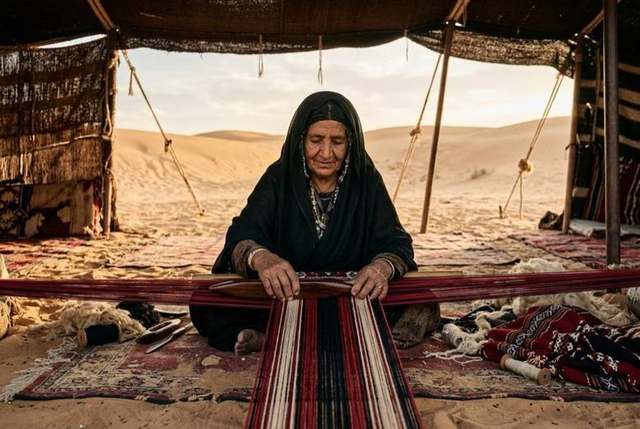 Al Sadu Weaving | 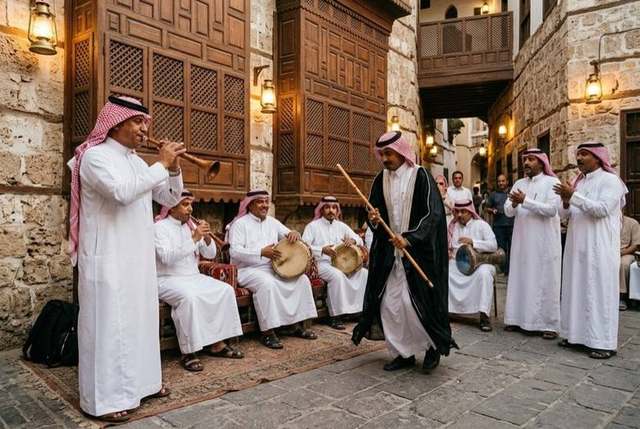 Al-Mizmar |
|---|---|---|
| Tradition Name | Al Sadu Weaving | Al-Mizmar |
| Native Script / Endonym | السدو | المزمار |
| Cultural Family | Textile | Music |
| Primary Geography & Origin | Al-Ahsa & Badia, Saudi Arabia | Jeddah & Medina, Hejaz, Saudi Arabia |
| World Region | Middle East | Middle East |
| First Attested / Era | Pre-Islamic | Pre-modern |
| UNESCO & Inventory Status | Representative List (2020) | Representative List (2016) |
| Vitality Assessment | ■■□□ Fading | ■■■□ Stable |
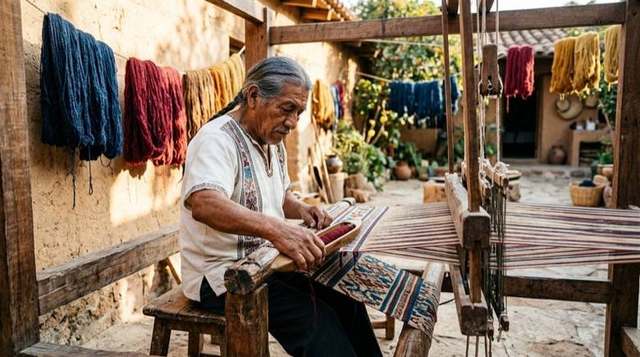
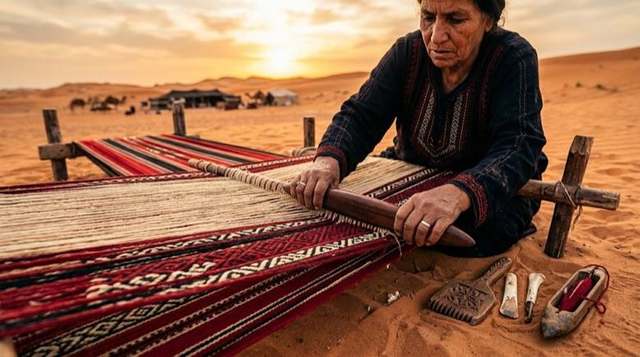
| Instruments & Accompaniment | Ground loom (nattu), Gazelle-horn beater (mansaf), Drop spindle (maghzal) | Mizmar double-reed shawm, Mirwas, Tabl |
| Materials & Medium | Hand-spun sheep wool, Camel hair, Desert plant dyes | Regional performance / craft media |
| Practitioner Lineages | Sadu House & Badia Women's Weaving Cooperatives | Hejazi Folk Troupes of Jeddah & Medina |
| Cited Archival Sources | 9 verified sources | 7 verified sources |
Key Differences Between Al Sadu Weaving and Al-Mizmar
- Geography & Origin: Al Sadu Weaving is rooted in Al-Ahsa & Badia, Saudi Arabia (attested Pre-Islamic), whereas Al-Mizmar originates in Jeddah & Medina, Hejaz, Saudi Arabia (attested Pre-modern).
- Classification & Form: Al Sadu Weaving belongs to the Textile family (Bedouin warp-faced plain weave woven on ground looms from hand-spun camel and sheep wool in desert-inspired geometric bands.), while Al-Mizmar is documented under Music (Hejazi group performance danced with fire-hardened shoum staffs around a central fire to the piercing double-reed mizmar oboe and drums.).
- Instruments & Materials: Al Sadu Weaving relies on Ground loom (nattu), Gazelle-horn beater (mansaf), Drop spindle (maghzal), Hand-spun sheep wool, Camel hair, Desert plant dyes; by contrast, Al-Mizmar uses Mizmar double-reed shawm, Mirwas, Tabl.
- Heritage Recognition & Vitality: Al Sadu Weaving is assessed as FADING (Representative List (2020)), while Al-Mizmar is assessed as STABLE (Representative List (2016)).
Shared Cultural & Historical Parallels
- Although Al Sadu Weaving (Textile) and Al-Mizmar (Music) use different artistic media, both encode community cosmology, seasonal calendars, and regional identity.
- Both traditions are living pillars of Saudi Arabia's intangible cultural heritage and appear frequently in cultural history curricula, museum collections, and safeguarding inventories.
Frequently Asked Questions
What is the main difference between Al Sadu Weaving and Al-Mizmar?
Al Sadu Weaving is a textile tradition from Al-Ahsa & Badia, Saudi Arabia (Bedouin warp-faced plain weave woven on ground looms from hand-spun camel and sheep wool in desert-inspired geometric bands.), whereas Al-Mizmar is a music tradition from Jeddah & Medina, Hejaz, Saudi Arabia (Hejazi group performance danced with fire-hardened shoum staffs around a central fire to the piercing double-reed mizmar oboe and drums.).
Where did Al Sadu Weaving and Al-Mizmar originate?
Al Sadu Weaving originated in Al-Ahsa & Badia, Saudi Arabia (Pre-Islamic). Al-Mizmar originated in Jeddah & Medina, Hejaz, Saudi Arabia (Pre-modern).
What instruments or materials are used in Al Sadu Weaving vs Al-Mizmar?
Al Sadu Weaving uses Ground loom (nattu), Gazelle-horn beater (mansaf), Drop spindle (maghzal), Hand-spun sheep wool, Camel hair, Desert plant dyes. Al-Mizmar uses Mizmar double-reed shawm, Mirwas, Tabl.
Are Al Sadu Weaving and Al-Mizmar recognized by UNESCO?
Al Sadu Weaving heritage status: Representative List (2020). Al-Mizmar heritage status: Representative List (2016).