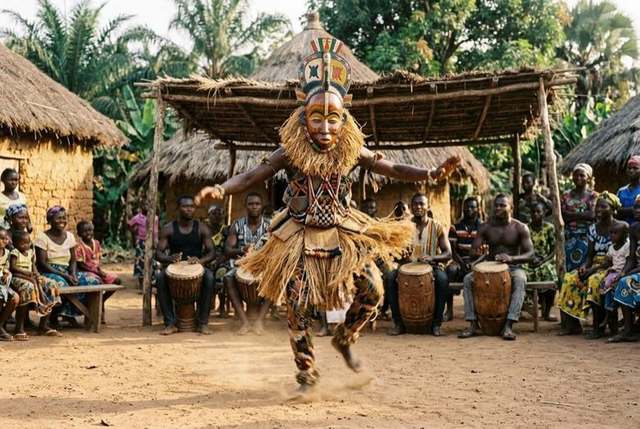
Balkan embroidery vs Zapotec Pedal-Loom Weaving: Side-by-Side Archival Comparison
Side-by-side comparison of Balkan embroidery (Documented region, Global Archive) and Zapotec Pedal-Loom Weaving (Teotitlán del Valle, Oaxaca, Mexico) across cultural family, chronology, materials, instruments, and living vitality.
Documented in public ethnographic & archival sourcesDocumented region, Global Archive · Historical oral & textual attestation
Textile · Documented region, Global Archive▢▢▢▢ Not yet sourced
Balkanbroderi är en gemensam beteckning på de rika folkliga broderierna från Bulgarien, Albanien, Grekland, före detta Jugoslavien, Rumänien, Ungern och den europeiska delen av Turkiet.
Documented in public ethnographic & archival sources
National Inventory
Vitality Assessment
▢▢▢▢ Not yet sourced
▢▢▢▢ Not yet sourced
Instruments & Accompaniment
Traditional regional accompaniment
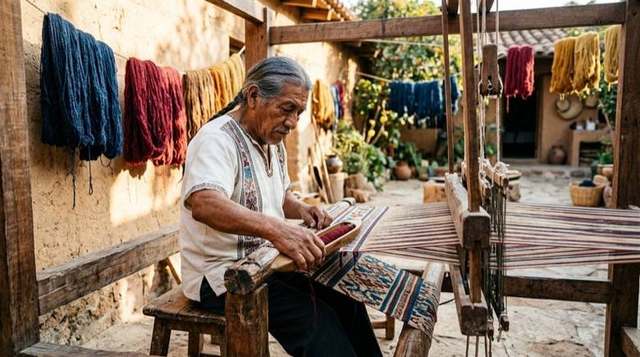
Spanish-introduced wooden treadle loom, Hand carding paddles
Materials & Medium
Regional performance / craft media
Churro sheep wool, Grana cochineal (Dactylopius coccus), Añil indigo
Practitioner Lineages
Regional bearer community
Master Weavers of Teotitlán del Valle & Santa Ana del Valle
Cited Archival Sources
1 verified sources
4 verified sources
Key Differences Between Balkan embroidery and Zapotec Pedal-Loom Weaving
Geography & Origin: Balkan embroidery is rooted in Documented region, Global Archive (attested Historical oral & textual attestation), whereas Zapotec Pedal-Loom Weaving originates in Teotitlán del Valle, Oaxaca, Mexico (attested 16th century).
Classification & Form: Balkan embroidery belongs to the Textile family (Balkanbroderi är en gemensam beteckning på de rika folkliga broderierna från Bulgarien, Albanien, Grekland, före detta Jugoslavien, Rumänien, Ungern och den europeiska delen av Turkiet.), while Zapotec Pedal-Loom Weaving is documented under Textile (Hand-carded wool rug and serape weaving of Oaxaca dyed with fermented añil indigo, wild marigold, and crushed cochineal scale insects.).
Instruments & Materials: Balkan embroidery is transmitted through regional performance and craft media; by contrast, Zapotec Pedal-Loom Weaving uses Spanish-introduced wooden treadle loom, Hand carding paddles, Churro sheep wool, Grana cochineal (Dactylopius coccus), Añil indigo.
Heritage Recognition & Vitality: Balkan embroidery is assessed as UNKNOWN (Documented in public ethnographic & archival sources), while Zapotec Pedal-Loom Weaving is assessed as UNKNOWN (National Inventory).
Shared Cultural & Historical Parallels
Both Balkan embroidery and Zapotec Pedal-Loom Weaving belong to the Textile domain and transmit repertoire across generations through master-disciple lineage rather than commercial mass production.
Across Global Archive and Mexico, both traditions demonstrate how local communities safeguard ancestral craft and performance knowledge through guild, temple, or village stewardship.
Frequently Asked Questions
What is the main difference between Balkan embroidery and Zapotec Pedal-Loom Weaving?
Balkan embroidery is a textile tradition from Documented region, Global Archive (Balkanbroderi är en gemensam beteckning på de rika folkliga broderierna från Bulgarien, Albanien, Grekland, före detta Jugoslavien, Rumänien, Ungern och den europeiska delen av Turkiet.), whereas Zapotec Pedal-Loom Weaving is a textile tradition from Teotitlán del Valle, Oaxaca, Mexico (Hand-carded wool rug and serape weaving of Oaxaca dyed with fermented añil indigo, wild marigold, and crushed cochineal scale insects.).
Where did Balkan embroidery and Zapotec Pedal-Loom Weaving originate?
Balkan embroidery originated in Documented region, Global Archive (Historical oral & textual attestation). Zapotec Pedal-Loom Weaving originated in Teotitlán del Valle, Oaxaca, Mexico (16th century).
What instruments or materials are used in Balkan embroidery vs Zapotec Pedal-Loom Weaving?
Balkan embroidery uses traditional regional instruments and media. Zapotec Pedal-Loom Weaving uses Spanish-introduced wooden treadle loom, Hand carding paddles, Churro sheep wool, Grana cochineal (Dactylopius coccus), Añil indigo.
Are Balkan embroidery and Zapotec Pedal-Loom Weaving recognized by UNESCO?
Balkan embroidery heritage status: Documented in public ethnographic & archival sources. Zapotec Pedal-Loom Weaving heritage status: National Inventory.
 National InventoryTeotitlán del Valle, Oaxaca, Mexico · 16th century