Opening room…
Skip to content
Head-to-Head Archival Dossier · Dance
Mongolian Biyelgee vs Māori Haka Posture Dance & Ceremonial Chant: Side-by-Side Archival Comparison
Side-by-side comparison of Mongolian Biyelgee (Khovd & Uvs, Western Mongolia, Mongolia) and Māori Haka Posture Dance & Ceremonial Chant (Rotorua, Waikato & East Coast, Aotearoa, New Zealand) across cultural family, chronology, materials, instruments, and living vitality.
12-Point Archival Comparison Table: Mongolian Biyelgee vs Māori Haka Posture Dance & Ceremonial Chant
Study & Syllabus Export Tools · CC BY-SA 4.0
| Dimension | 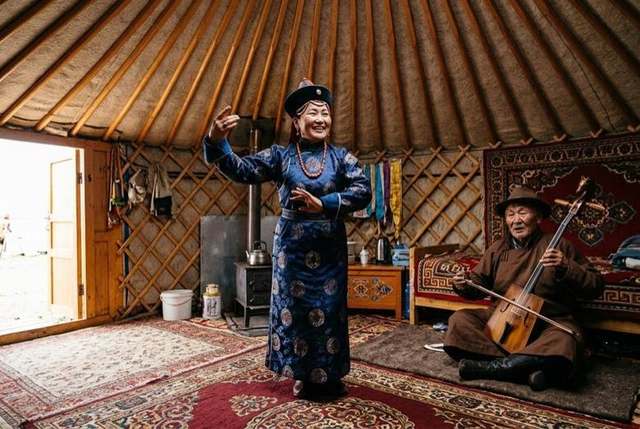 Mongolian Biyelgee | 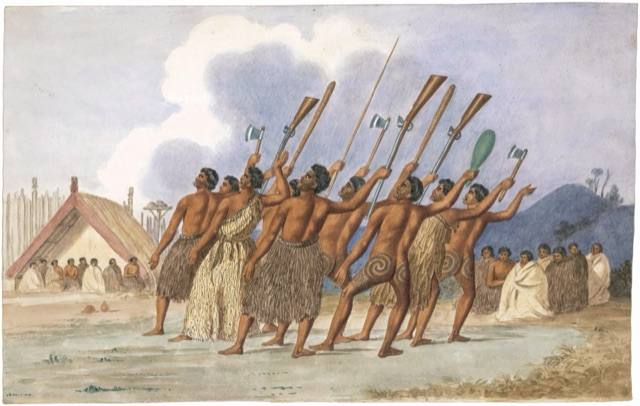 Māori Haka Posture Dance & Ceremonial Chant |
|---|---|---|
| Tradition Name | Mongolian Biyelgee | Māori Haka Posture Dance & Ceremonial Chant |
| Native Script / Endonym | Монгол биелгээ | Haka |
| Cultural Family | Dance | Dance |
| Primary Geography & Origin | Khovd & Uvs, Western Mongolia, Mongolia | Rotorua, Waikato & East Coast, Aotearoa, New Zealand |
| World Region | Asia | Oceania |
| First Attested / Era | 13th century | Ancestral Polynesian / 1820 Ka Mate composition |
| UNESCO & Inventory Status | Urgent Safeguarding (2009) | National Inventory |
| Vitality Assessment | ■□□□ Critical | ■■■■ Thriving |
| Instruments & Accompaniment | Ikel two-stringed fiddle, Tovshuur lute | Pūtātara conch trumpet, Pūkaea wooden war horn, Taiaha carved fighting staff |
| Materials & Medium | Regional performance / craft media | Harakeke New Zealand flax piupiu, Carved pounamu greenstone & bone |
| Practitioner Lineages | Dörvöd, Bayad & Zahchin Bearers of Khovd and Uvs | Māori Iwi & Kapa Haka Roopu of Aotearoa |
| Cited Archival Sources | 6 verified sources | 10 verified sources |
Key Differences Between Mongolian Biyelgee and Māori Haka Posture Dance & Ceremonial Chant
- Geography & Origin: Mongolian Biyelgee is rooted in Khovd & Uvs, Western Mongolia, Mongolia (attested 13th century), whereas Māori Haka Posture Dance & Ceremonial Chant originates in Rotorua, Waikato & East Coast, Aotearoa, New Zealand (attested Ancestral Polynesian / 1820 Ka Mate composition).
- Classification & Form: Mongolian Biyelgee belongs to the Dance family (Nomadic upper-body dance performed half-seated inside the narrow space of the Mongolian ger tent to the two-stringed ikel lute.), while Māori Haka Posture Dance & Ceremonial Chant is documented under Dance (Māori collective posture dance and rhythmic poetic chant performed on marae meeting grounds combining foot-stamping (waewae takahia), body percussion, facial expression (pūkana), and genealogical invocation.).
- Instruments & Materials: Mongolian Biyelgee relies on Ikel two-stringed fiddle, Tovshuur lute; by contrast, Māori Haka Posture Dance & Ceremonial Chant uses Pūtātara conch trumpet, Pūkaea wooden war horn, Taiaha carved fighting staff, Harakeke New Zealand flax piupiu, Carved pounamu greenstone & bone.
- Heritage Recognition & Vitality: Mongolian Biyelgee is assessed as CRITICAL (Urgent Safeguarding (2009)), while Māori Haka Posture Dance & Ceremonial Chant is assessed as THRIVING (National Inventory).
Shared Cultural & Historical Parallels
- Both Mongolian Biyelgee and Māori Haka Posture Dance & Ceremonial Chant belong to the Dance domain and transmit repertoire across generations through master-disciple lineage rather than commercial mass production.
- Across Mongolia and New Zealand, both traditions demonstrate how local communities safeguard ancestral craft and performance knowledge through guild, temple, or village stewardship.
Frequently Asked Questions
What is the main difference between Mongolian Biyelgee and Māori Haka Posture Dance & Ceremonial Chant?
Mongolian Biyelgee is a dance tradition from Khovd & Uvs, Western Mongolia, Mongolia (Nomadic upper-body dance performed half-seated inside the narrow space of the Mongolian ger tent to the two-stringed ikel lute.), whereas Māori Haka Posture Dance & Ceremonial Chant is a dance tradition from Rotorua, Waikato & East Coast, Aotearoa, New Zealand (Māori collective posture dance and rhythmic poetic chant performed on marae meeting grounds combining foot-stamping (waewae takahia), body percussion, facial expression (pūkana), and genealogical invocation.).
Where did Mongolian Biyelgee and Māori Haka Posture Dance & Ceremonial Chant originate?
Mongolian Biyelgee originated in Khovd & Uvs, Western Mongolia, Mongolia (13th century). Māori Haka Posture Dance & Ceremonial Chant originated in Rotorua, Waikato & East Coast, Aotearoa, New Zealand (Ancestral Polynesian / 1820 Ka Mate composition).
What instruments or materials are used in Mongolian Biyelgee vs Māori Haka Posture Dance & Ceremonial Chant?
Mongolian Biyelgee uses Ikel two-stringed fiddle, Tovshuur lute. Māori Haka Posture Dance & Ceremonial Chant uses Pūtātara conch trumpet, Pūkaea wooden war horn, Taiaha carved fighting staff, Harakeke New Zealand flax piupiu, Carved pounamu greenstone & bone.
Are Mongolian Biyelgee and Māori Haka Posture Dance & Ceremonial Chant recognized by UNESCO?
Mongolian Biyelgee heritage status: Urgent Safeguarding (2009). Māori Haka Posture Dance & Ceremonial Chant heritage status: National Inventory.