Opening room…
Skip to content
Head-to-Head Archival Dossier · Dance
Chholiya vs Kalaripayattu Martial Art & Body Discipline: Side-by-Side Archival Comparison
Comparing two dance traditions of India — Chholiya (Almora & Pithoragarh, Uttarakhand) and Kalaripayattu Martial Art & Body Discipline (Kozhikode, Kannur & Thiruvananthapuram, Kerala) — across origin, technique, instruments, materials, and UNESCO heritage status.
12-Point Archival Comparison Table: Chholiya vs Kalaripayattu Martial Art & Body Discipline
Study & Syllabus Export Tools · CC BY-SA 4.0
| Dimension | 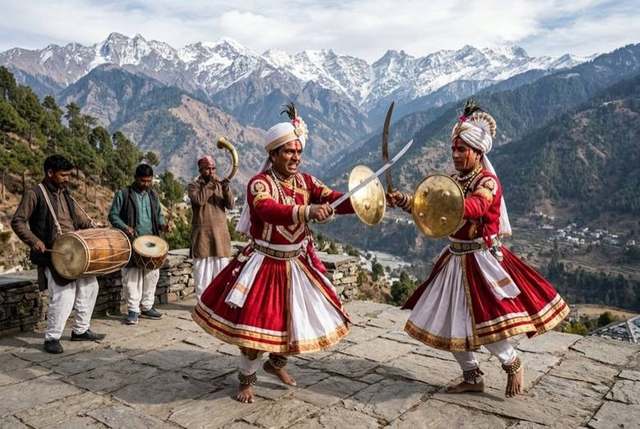 Chholiya | 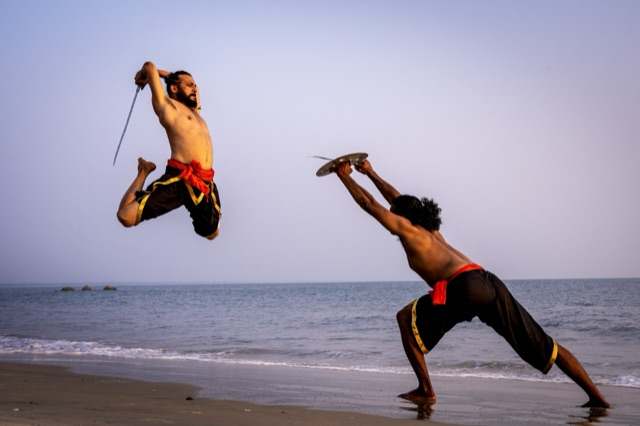 Kalaripayattu Martial Art & Body Discipline |
|---|---|---|
| Tradition Name | Chholiya | Kalaripayattu Martial Art & Body Discipline |
| Native Script / Endonym | छोलिया | കളരിപ്പയറ്റ് |
| Cultural Family | Dance | Dance |
| Primary Geography & Origin | Almora & Pithoragarh, Uttarakhand, India | Kozhikode, Kannur & Thiruvananthapuram, Kerala, India |
| World Region | Asia | Asia |
| First Attested / Era | 10th century | 11th–12th century |
| UNESCO & Inventory Status | National Inventory | National Inventory |
| Vitality Assessment | ■■■□ Stable | ■■■■ Thriving |
| Instruments & Accompaniment | Dhol-Damau, Ransingha copper horn, Turi, Masakbeen | Otta curved wooden staff, Urumi flexible steel whip-sword, valum parichayum (sword & shield) |
| Materials & Medium | Forged brass shield (dhal), Curved steel sword | Gingelly & medicated uzhichil oils, Compacted red laterite earth floor |
| Practitioner Lineages | Kumaon Chholiya Troupes of Almora, Bageshwar & Pithoragarh | CVN Kalari & Northern/Southern Gurukkal Lineages of Kerala |
| Cited Archival Sources | 6 verified sources | 11 verified sources |
Key Differences Between Chholiya and Kalaripayattu Martial Art & Body Discipline
- Geography & Origin: Chholiya is rooted in Almora & Pithoragarh, Uttarakhand, India (attested 10th century), whereas Kalaripayattu Martial Art & Body Discipline originates in Kozhikode, Kannur & Thiruvananthapuram, Kerala, India (attested 11th–12th century).
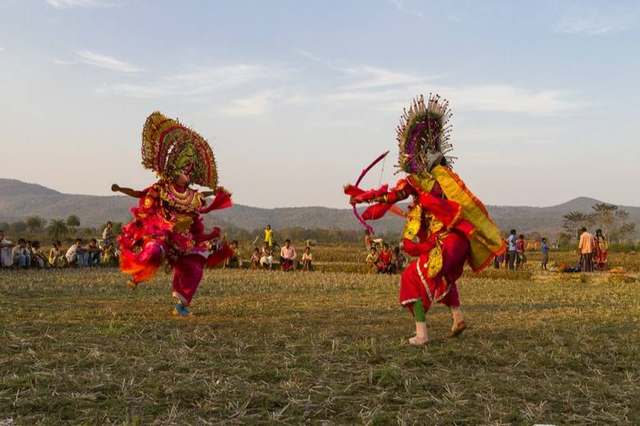
- Classification & Form: Chholiya belongs to the Dance family (Kumaoni sword-and-shield martial procession dance of the central Himalayas performed at Rajput wedding barat processions with brass turi horns.), while Kalaripayattu Martial Art & Body Discipline is documented under Dance (Ancient martial, therapeutic, and choreographic discipline of Kerala practised inside sunken earthen kalari gymnasiums, foundational to Kathakali, Theyyam, and Koodiyattam physical training.).
- Instruments & Materials: Chholiya relies on Dhol-Damau, Ransingha copper horn, Turi, Masakbeen, Forged brass shield (dhal), Curved steel sword; by contrast, Kalaripayattu Martial Art & Body Discipline uses Otta curved wooden staff, Urumi flexible steel whip-sword, valum parichayum (sword & shield), Gingelly & medicated uzhichil oils, Compacted red laterite earth floor.
- Heritage Recognition & Vitality: Chholiya is assessed as STABLE (National Inventory), while Kalaripayattu Martial Art & Body Discipline is assessed as THRIVING (National Inventory).
Shared Cultural & Historical Parallels
- Both Chholiya and Kalaripayattu Martial Art & Body Discipline belong to the Dance domain and transmit repertoire across generations through master-disciple lineage rather than commercial mass production.
- Both traditions are living pillars of India's intangible cultural heritage and appear frequently in cultural history curricula, museum collections, and safeguarding inventories.
Frequently Asked Questions
What is the main difference between Chholiya and Kalaripayattu Martial Art & Body Discipline?
Chholiya is a dance tradition from Almora & Pithoragarh, Uttarakhand, India (Kumaoni sword-and-shield martial procession dance of the central Himalayas performed at Rajput wedding barat processions with brass turi horns.), whereas Kalaripayattu Martial Art & Body Discipline is a dance tradition from Kozhikode, Kannur & Thiruvananthapuram, Kerala, India (Ancient martial, therapeutic, and choreographic discipline of Kerala practised inside sunken earthen kalari gymnasiums, foundational to Kathakali, Theyyam, and Koodiyattam physical training.).
Where did Chholiya and Kalaripayattu Martial Art & Body Discipline originate?
Chholiya originated in Almora & Pithoragarh, Uttarakhand, India (10th century). Kalaripayattu Martial Art & Body Discipline originated in Kozhikode, Kannur & Thiruvananthapuram, Kerala, India (11th–12th century).
What instruments or materials are used in Chholiya vs Kalaripayattu Martial Art & Body Discipline?
Chholiya uses Dhol-Damau, Ransingha copper horn, Turi, Masakbeen, Forged brass shield (dhal), Curved steel sword. Kalaripayattu Martial Art & Body Discipline uses Otta curved wooden staff, Urumi flexible steel whip-sword, valum parichayum (sword & shield), Gingelly & medicated uzhichil oils, Compacted red laterite earth floor.
Are Chholiya and Kalaripayattu Martial Art & Body Discipline recognized by UNESCO?
Chholiya heritage status: National Inventory. Kalaripayattu Martial Art & Body Discipline heritage status: National Inventory.