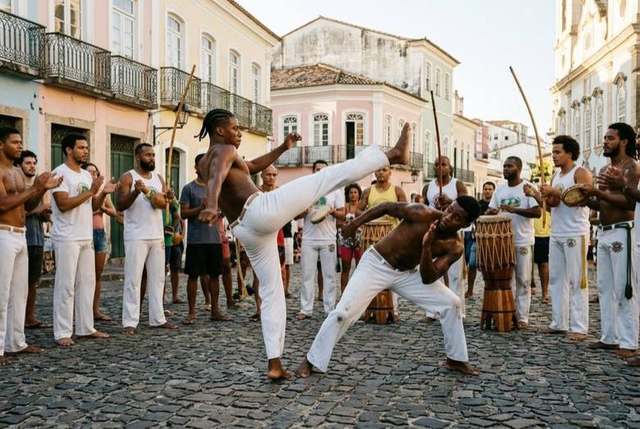
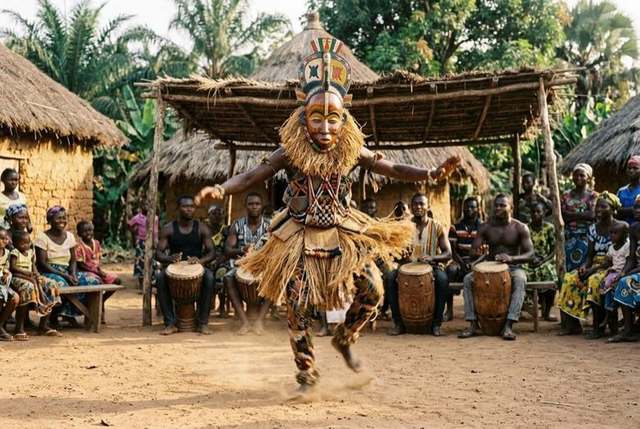
Opening room…
Head-to-Head Archival Dossier · Food
Communal meal vs Indigenous Festivity Dedicated to the Dead (Día de Muertos): Side-by-Side Archival Comparison
Side-by-side comparison of Communal meal (Documented region, Global Archive) and Indigenous Festivity Dedicated to the Dead (Día de Muertos) (Lake Pátzcuaro, Michoacán & Oaxaca, Mexico) across cultural family, chronology, materials, instruments, and living vitality.
12-Point Archival Comparison Table: Communal meal vs Indigenous Festivity Dedicated to the Dead (Día de Muertos)
Study & Syllabus Export Tools · CC BY-SA 4.0
| Dimension | 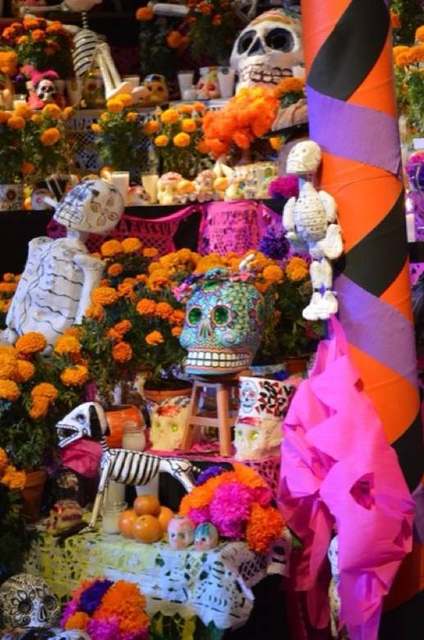 Indigenous Festivity Dedicated to the Dead (Día de Muertos) | |
|---|---|---|
| Tradition Name | Communal meal | Indigenous Festivity Dedicated to the Dead (Día de Muertos) |
Key Differences Between Communal meal and Indigenous Festivity Dedicated to the Dead (Día de Muertos)
- Geography & Origin: Communal meal is rooted in Documented region, Global Archive (attested Historical oral & textual attestation), whereas Indigenous Festivity Dedicated to the Dead (Día de Muertos) originates in Lake Pátzcuaro, Michoacán & Oaxaca, Mexico (attested Pre-Columbian / 16th century syncretism).
- Classification & Form: Communal meal belongs to the Food family (A communal meal is a meal eaten by a group of people. Also referred to as communal dining, the practice is centered on food and sharing time with the people who come together in order to share the meal and conversation.), while Indigenous Festivity Dedicated to the Dead (Día de Muertos) is documented under Food (Annual autumn return of ancestral souls celebrated across Purépecha, Nahua, Zapotec, and Mixtec communities with cempasúchil marigold paths, copal incense, sugar skulls, and pan de muerto offerings.).
- Instruments & Materials: Communal meal is transmitted through regional performance and craft media; by contrast, Indigenous Festivity Dedicated to the Dead (Día de Muertos) uses Purépechapirekua guitar & violin, Teponaztli slit drum, Church bells, Cempasúchil marigold (Tagetes erecta), Copal tree resin, Papel picado, Pan de muerto & alfeñique sugar.
- Heritage Recognition & Vitality: Communal meal is assessed as UNKNOWN (Documented in public ethnographic & archival sources), while Indigenous Festivity Dedicated to the Dead (Día de Muertos) is assessed as THRIVING (Representative List (2008)).
Shared Cultural & Historical Parallels
- Both Communal meal and Indigenous Festivity Dedicated to the Dead (Día de Muertos) belong to the Food domain and transmit repertoire across generations through master-disciple lineage rather than commercial mass production.
- Across Global Archive and Mexico, both traditions demonstrate how local communities safeguard ancestral craft and performance knowledge through guild, temple, or village stewardship.
Frequently Asked Questions
What is the main difference between Communal meal and Indigenous Festivity Dedicated to the Dead (Día de Muertos)?
Communal meal is a food tradition from Documented region, Global Archive (A communal meal is a meal eaten by a group of people. Also referred to as communal dining, the practice is centered on food and sharing time with the people who come together in order to share the meal and conversation.), whereas Indigenous Festivity Dedicated to the Dead (Día de Muertos) is a food tradition from Lake Pátzcuaro, Michoacán & Oaxaca, Mexico (Annual autumn return of ancestral souls celebrated across Purépecha, Nahua, Zapotec, and Mixtec communities with cempasúchil marigold paths, copal incense, sugar skulls, and pan de muerto offerings.).
Where did Communal meal and Indigenous Festivity Dedicated to the Dead (Día de Muertos) originate?
Communal meal originated in Documented region, Global Archive (Historical oral & textual attestation). Indigenous Festivity Dedicated to the Dead (Día de Muertos) originated in Lake Pátzcuaro, Michoacán & Oaxaca, Mexico (Pre-Columbian / 16th century syncretism).
What instruments or materials are used in Communal meal vs Indigenous Festivity Dedicated to the Dead (Día de Muertos)?
Communal meal uses traditional regional instruments and media. Indigenous Festivity Dedicated to the Dead (Día de Muertos) uses Purépechapirekua guitar & violin, Teponaztli slit drum, Church bells, Cempasúchil marigold (Tagetes erecta), Copal tree resin, Papel picado, Pan de muerto & alfeñique sugar.
Are Communal meal and Indigenous Festivity Dedicated to the Dead (Día de Muertos) recognized by UNESCO?
Communal meal heritage status: Documented in public ethnographic & archival sources. Indigenous Festivity Dedicated to the Dead (Día de Muertos) heritage status: Representative List (2008).