Opening room…
Skip to content
Head-to-Head Archival Dossier · Craft
Traditional Violin Craftsmanship in Cremona vs Talavera Artisanal Tin-Glazed Ceramics: Side-by-Side Archival Comparison
Side-by-side comparison of Traditional Violin Craftsmanship in Cremona (Cremona, Lombardy, Italy) and Talavera Artisanal Tin-Glazed Ceramics (Puebla de Zaragoza & San Pablo del Monte, Mexico) across cultural family, chronology, materials, instruments, and living vitality.
12-Point Archival Comparison Table: Traditional Violin Craftsmanship in Cremona vs Talavera Artisanal Tin-Glazed Ceramics
Study & Syllabus Export Tools · CC BY-SA 4.0
| Dimension | 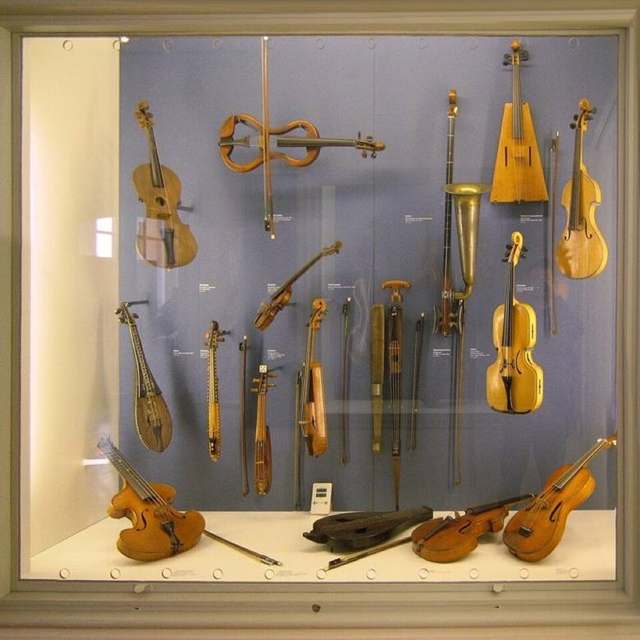 Traditional Violin Craftsmanship in Cremona | 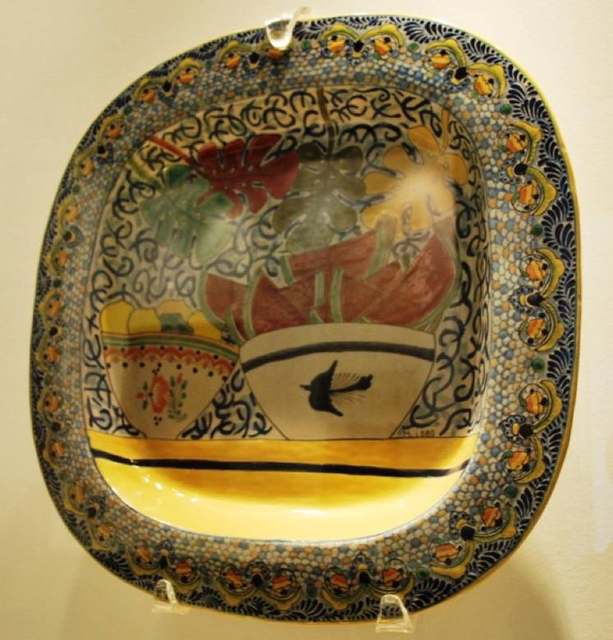 Talavera Artisanal Tin-Glazed Ceramics |
|---|---|---|
| Tradition Name | Traditional Violin Craftsmanship in Cremona | Talavera Artisanal Tin-Glazed Ceramics |
| Native Script / Endonym | Saper fare liutario della tradizione cremonese | Talavera de Puebla y Tlaxcala |
| Cultural Family | Craft | Craft |
| Primary Geography & Origin | Cremona, Lombardy, Italy | Puebla de Zaragoza & San Pablo del Monte, Mexico |
| World Region | Europe | Americas |
| First Attested / Era | 16th century (Andrea Amati, c. 1530s) | 16th century |
| UNESCO & Inventory Status | Representative List (2012) | Representative List (2019) |
| Vitality Assessment | ■■■■ Thriving | ■■■□ Stable |
| Instruments & Accompaniment | Forma interna wooden mould, Thumb planes, Purfling knives, Bending iron | Potter's kick wheel (torno), Mule-hair brushes, Wood-fired ladrillo kiln |
| Materials & Medium | Val di Fiemme resonance spruce, Flamed maple, Hide glue, Propolis & resin oil varnish | Black & white Puebla clays, Tin-lead opaque glaze, Cobalt & mineral oxide pigments |
| Practitioner Lineages | Consorzio Liutai Antonio Stradivari & Botteghe of Cremona | Certified Talavera Workshops (DO4) of Puebla & San Pablo del Monte |
| Cited Archival Sources | 11 verified sources | 10 verified sources |
Key Differences Between Traditional Violin Craftsmanship in Cremona and Talavera Artisanal Tin-Glazed Ceramics
- Geography & Origin: Traditional Violin Craftsmanship in Cremona is rooted in Cremona, Lombardy, Italy (attested 16th century (Andrea Amati, c. 1530s)), whereas Talavera Artisanal Tin-Glazed Ceramics originates in Puebla de Zaragoza & San Pablo del Monte, Mexico (attested 16th century).
- Classification & Form: Traditional Violin Craftsmanship in Cremona belongs to the Craft family (Hand-carved violin, viola, cello, and contrabass luthiery of Cremona shaped around an internal wooden mould from over-seventy-piece assemblies of seasoned alpine spruce and flamed maple.), while Talavera Artisanal Tin-Glazed Ceramics is documented under Craft (Binational tin-and-lead-glazed majolica earthenware of Puebla, Tlaxcala, and Talavera de la Reina, hand-thrown and painted with six natural mineral pigments that fuse in relief during firing.).
- Instruments & Materials: Traditional Violin Craftsmanship in Cremona relies on Forma interna wooden mould, Thumb planes, Purfling knives, Bending iron, Val di Fiemme resonance spruce, Flamed maple, Hide glue, Propolis & resin oil varnish; by contrast, Talavera Artisanal Tin-Glazed Ceramics uses Potter's kick wheel (torno), Mule-hair brushes, Wood-fired ladrillo kiln, Black & white Puebla clays, Tin-lead opaque glaze, Cobalt & mineral oxide pigments.
- Heritage Recognition & Vitality: Traditional Violin Craftsmanship in Cremona is assessed as THRIVING (Representative List (2012)), while Talavera Artisanal Tin-Glazed Ceramics is assessed as STABLE (Representative List (2019)).
Shared Cultural & Historical Parallels
- Both Traditional Violin Craftsmanship in Cremona and Talavera Artisanal Tin-Glazed Ceramics belong to the Craft domain and transmit repertoire across generations through master-disciple lineage rather than commercial mass production.
- Across Italy and Mexico, both traditions demonstrate how local communities safeguard ancestral craft and performance knowledge through guild, temple, or village stewardship.
Frequently Asked Questions
What is the main difference between Traditional Violin Craftsmanship in Cremona and Talavera Artisanal Tin-Glazed Ceramics?
Traditional Violin Craftsmanship in Cremona is a craft tradition from Cremona, Lombardy, Italy (Hand-carved violin, viola, cello, and contrabass luthiery of Cremona shaped around an internal wooden mould from over-seventy-piece assemblies of seasoned alpine spruce and flamed maple.), whereas Talavera Artisanal Tin-Glazed Ceramics is a craft tradition from Puebla de Zaragoza & San Pablo del Monte, Mexico (Binational tin-and-lead-glazed majolica earthenware of Puebla, Tlaxcala, and Talavera de la Reina, hand-thrown and painted with six natural mineral pigments that fuse in relief during firing.).
Where did Traditional Violin Craftsmanship in Cremona and Talavera Artisanal Tin-Glazed Ceramics originate?
Traditional Violin Craftsmanship in Cremona originated in Cremona, Lombardy, Italy (16th century (Andrea Amati, c. 1530s)). Talavera Artisanal Tin-Glazed Ceramics originated in Puebla de Zaragoza & San Pablo del Monte, Mexico (16th century).
What instruments or materials are used in Traditional Violin Craftsmanship in Cremona vs Talavera Artisanal Tin-Glazed Ceramics?
Traditional Violin Craftsmanship in Cremona uses Forma interna wooden mould, Thumb planes, Purfling knives, Bending iron, Val di Fiemme resonance spruce, Flamed maple, Hide glue, Propolis & resin oil varnish. Talavera Artisanal Tin-Glazed Ceramics uses Potter's kick wheel (torno), Mule-hair brushes, Wood-fired ladrillo kiln, Black & white Puebla clays, Tin-lead opaque glaze, Cobalt & mineral oxide pigments.
Are Traditional Violin Craftsmanship in Cremona and Talavera Artisanal Tin-Glazed Ceramics recognized by UNESCO?
Traditional Violin Craftsmanship in Cremona heritage status: Representative List (2012). Talavera Artisanal Tin-Glazed Ceramics heritage status: Representative List (2019).