Opening room…
Skip to content
Head-to-Head Archival Dossier · Music
Hardingfele (Hardanger Fiddle & Setesdal Tradition) vs Saman: Side-by-Side Archival Comparison
Side-by-side comparison of Hardingfele (Hardanger Fiddle & Setesdal Tradition) (Hardanger, Setesdal & Telemark, Norway) and Saman (Gayo Lues, Aceh, Indonesia) across cultural family, chronology, materials, instruments, and living vitality.
12-Point Archival Comparison Table: Hardingfele (Hardanger Fiddle & Setesdal Tradition) vs Saman
Study & Syllabus Export Tools · CC BY-SA 4.0
| Dimension | 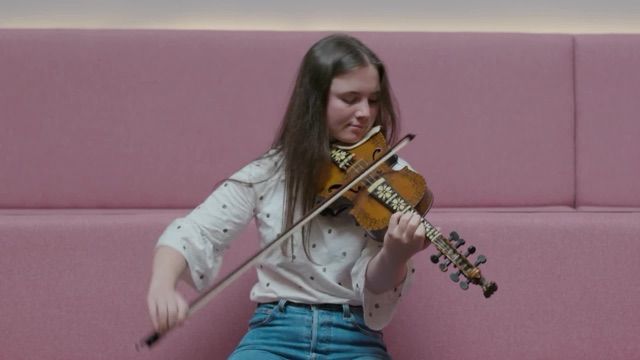 Hardingfele (Hardanger Fiddle & Setesdal Tradition) | 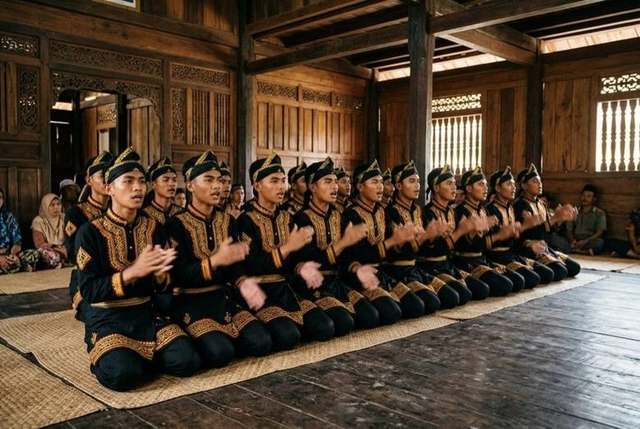 Saman |
|---|---|---|
| Tradition Name | Hardingfele (Hardanger Fiddle & Setesdal Tradition) | Saman |
| Native Script / Endonym | Hardingfele | Tari Saman |
| Cultural Family | Music | Music |
| Primary Geography & Origin | Hardanger, Setesdal & Telemark, Norway | Gayo Lues, Aceh, Indonesia |
| World Region | Europe | Asia |
| First Attested / Era | 17th century (1651 Jaastad fiddle) | 14th century |
| UNESCO & Inventory Status | Representative List (2019) | Urgent Safeguarding (2011) |
| Vitality Assessment | ■■■□ Stable | ■■□□ Fading |
| Instruments & Accompaniment | Hardingfele (8/9-string sympathetic fiddle), Jew's harp (Munnharpe) | Unaccompanied voice, Chest & palm percussion |
| Materials & Medium | Spruce & curly maple, Mother-of-pearl & bone inlay, Black India-ink rosing floral motifs | Kerawang Gayo embroidered vest and headband |
| Practitioner Lineages | Spelemannslag Guilds of Hardanger, Setesdal & Telemark | Gayo Lues Community Ensembles |
| Cited Archival Sources | 9 verified sources | 8 verified sources |
Key Differences Between Hardingfele (Hardanger Fiddle & Setesdal Tradition) and Saman
- Geography & Origin: Hardingfele (Hardanger Fiddle & Setesdal Tradition) is rooted in Hardanger, Setesdal & Telemark, Norway (attested 17th century (1651 Jaastad fiddle)), whereas Saman originates in Gayo Lues, Aceh, Indonesia (attested 14th century).
- Classification & Form: Hardingfele (Hardanger Fiddle & Setesdal Tradition) belongs to the Music family (Norwegian eight- or nine-stringed sympathetic-resonating fiddle tradition paired with bygdedans couple dances, stev four-line balladry, and carved bone-and-mother-of-pearl luthiery.), while Saman is documented under Music (Gayo highland polyrhythmic kneeling chant and body-percussion dance performed without musical instruments along a single tightly packed row.).
- Instruments & Materials: Hardingfele (Hardanger Fiddle & Setesdal Tradition) relies on Hardingfele (8/9-string sympathetic fiddle), Jew's harp (Munnharpe), Spruce & curly maple, Mother-of-pearl & bone inlay, Black India-ink rosing floral motifs; by contrast, Saman uses Unaccompanied voice, Chest & palm percussion, Kerawang Gayo embroidered vest and headband.
- Heritage Recognition & Vitality: Hardingfele (Hardanger Fiddle & Setesdal Tradition) is assessed as STABLE (Representative List (2019)), while Saman is assessed as FADING (Urgent Safeguarding (2011)).
Shared Cultural & Historical Parallels
- Both Hardingfele (Hardanger Fiddle & Setesdal Tradition) and Saman belong to the Music domain and transmit repertoire across generations through master-disciple lineage rather than commercial mass production.
- Across Norway and Indonesia, both traditions demonstrate how local communities safeguard ancestral craft and performance knowledge through guild, temple, or village stewardship.
Frequently Asked Questions
What is the main difference between Hardingfele (Hardanger Fiddle & Setesdal Tradition) and Saman?
Hardingfele (Hardanger Fiddle & Setesdal Tradition) is a music tradition from Hardanger, Setesdal & Telemark, Norway (Norwegian eight- or nine-stringed sympathetic-resonating fiddle tradition paired with bygdedans couple dances, stev four-line balladry, and carved bone-and-mother-of-pearl luthiery.), whereas Saman is a music tradition from Gayo Lues, Aceh, Indonesia (Gayo highland polyrhythmic kneeling chant and body-percussion dance performed without musical instruments along a single tightly packed row.).
Where did Hardingfele (Hardanger Fiddle & Setesdal Tradition) and Saman originate?
Hardingfele (Hardanger Fiddle & Setesdal Tradition) originated in Hardanger, Setesdal & Telemark, Norway (17th century (1651 Jaastad fiddle)). Saman originated in Gayo Lues, Aceh, Indonesia (14th century).
What instruments or materials are used in Hardingfele (Hardanger Fiddle & Setesdal Tradition) vs Saman?
Hardingfele (Hardanger Fiddle & Setesdal Tradition) uses Hardingfele (8/9-string sympathetic fiddle), Jew's harp (Munnharpe), Spruce & curly maple, Mother-of-pearl & bone inlay, Black India-ink rosing floral motifs. Saman uses Unaccompanied voice, Chest & palm percussion, Kerawang Gayo embroidered vest and headband.
Are Hardingfele (Hardanger Fiddle & Setesdal Tradition) and Saman recognized by UNESCO?
Hardingfele (Hardanger Fiddle & Setesdal Tradition) heritage status: Representative List (2019). Saman heritage status: Urgent Safeguarding (2011).