Opening room…
Skip to content
Head-to-Head Archival Dossier · Dance
Indian dance vs Capoeira: Side-by-Side Archival Comparison
Side-by-side comparison of Indian dance (India, India) and Capoeira (Salvador da Bahia, Brazil) across cultural family, chronology, materials, instruments, and living vitality.
12-Point Archival Comparison Table: Indian dance vs Capoeira
Study & Syllabus Export Tools · CC BY-SA 4.0
| Dimension | 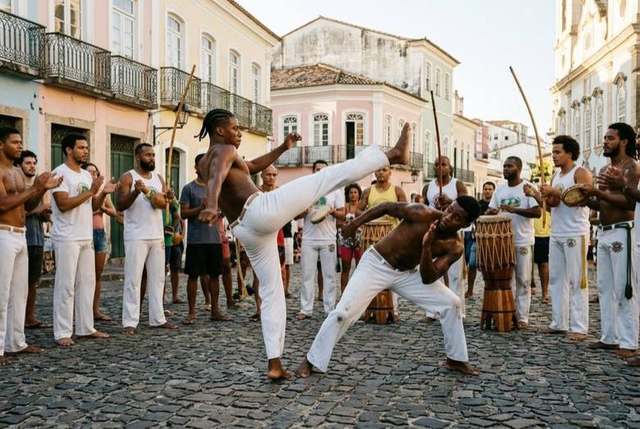 Capoeira | |
|---|---|---|
| Tradition Name | Indian dance | Capoeira |
| Native Script / Endonym | भारतीय नृत्य का इतिहास | Roda de Capoeira |
| Cultural Family |
Key Differences Between Indian dance and Capoeira
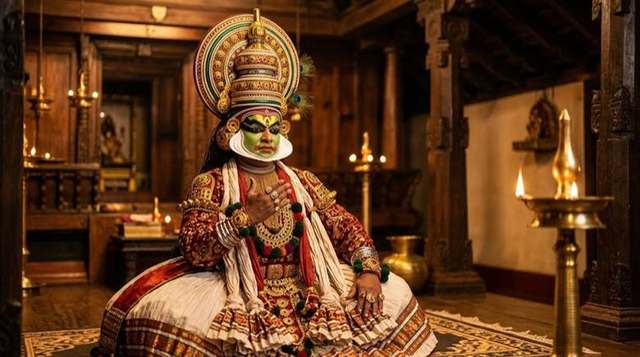
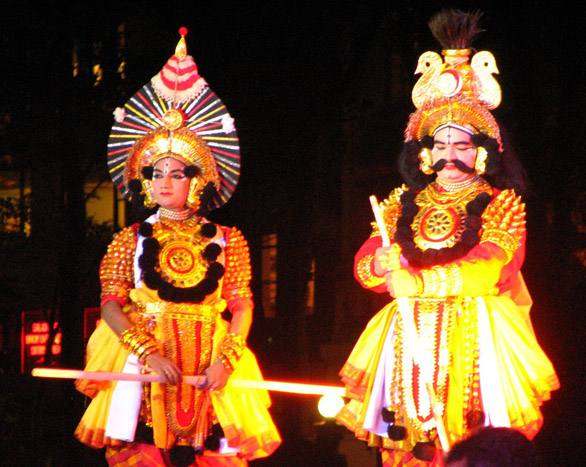
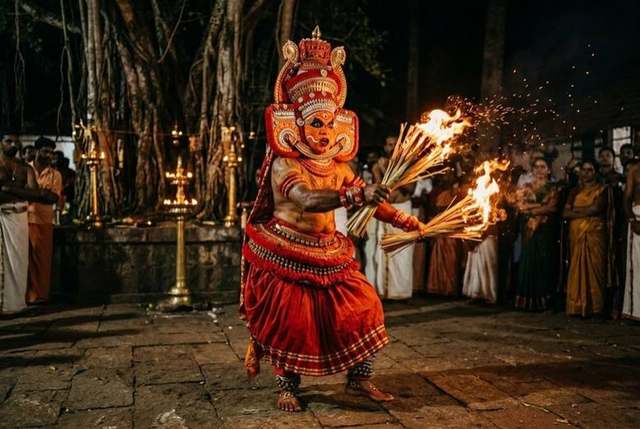
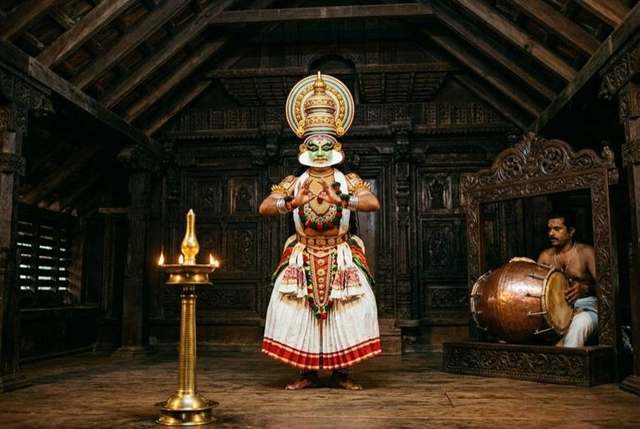
- Geography & Origin: Indian dance is rooted in India, India (attested Historical oral & textual attestation), whereas Capoeira originates in Salvador da Bahia, Brazil (attested 16th century).
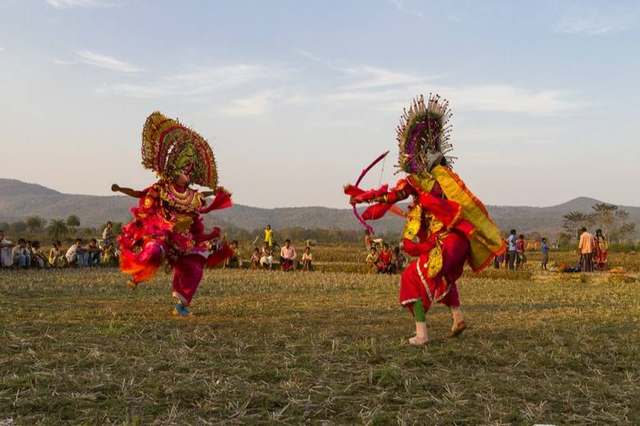
- Classification & Form: Indian dance belongs to the Dance family (Dance in India comprises numerous styles of dances, generally classified as classical or folk.), while Capoeira is documented under Dance (Afro-Brazilian circle of fight, dance, acrobatics, and call-and-response song governed by the single-string berimbau bow.).
- Instruments & Materials: Indian dance is transmitted through regional performance and craft media; by contrast, Capoeira uses Berimbau, Atabaque, Pandeiro, Agogô, Reco-reco, Biriba wood bow, Cabaça gourd resonator, Steel wire.
- Heritage Recognition & Vitality: Indian dance is assessed as UNKNOWN (Documented in public ethnographic & archival sources), while Capoeira is assessed as THRIVING (Representative List (2014)).
Shared Cultural & Historical Parallels
- Both Indian dance and Capoeira belong to the Dance domain and transmit repertoire across generations through master-disciple lineage rather than commercial mass production.
- Across India and Brazil, both traditions demonstrate how local communities safeguard ancestral craft and performance knowledge through guild, temple, or village stewardship.
Frequently Asked Questions
What is the main difference between Indian dance and Capoeira?
Indian dance is a dance tradition from India, India (Dance in India comprises numerous styles of dances, generally classified as classical or folk.), whereas Capoeira is a dance tradition from Salvador da Bahia, Brazil (Afro-Brazilian circle of fight, dance, acrobatics, and call-and-response song governed by the single-string berimbau bow.).
Where did Indian dance and Capoeira originate?
Indian dance originated in India, India (Historical oral & textual attestation). Capoeira originated in Salvador da Bahia, Brazil (16th century).
What instruments or materials are used in Indian dance vs Capoeira?
Indian dance uses traditional regional instruments and media. Capoeira uses Berimbau, Atabaque, Pandeiro, Agogô, Reco-reco, Biriba wood bow, Cabaça gourd resonator, Steel wire.
Are Indian dance and Capoeira recognized by UNESCO?
Indian dance heritage status: Documented in public ethnographic & archival sources. Capoeira heritage status: Representative List (2014).