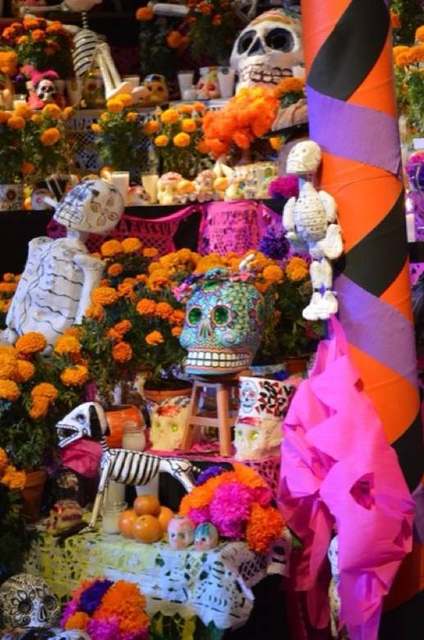
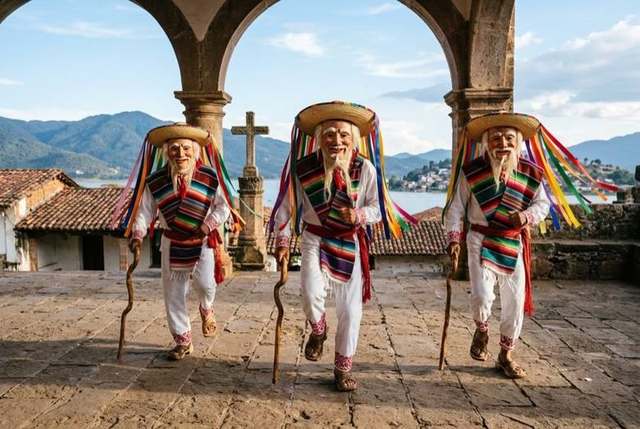
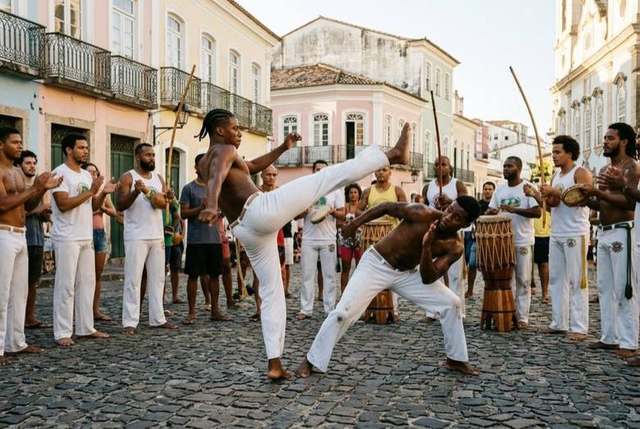
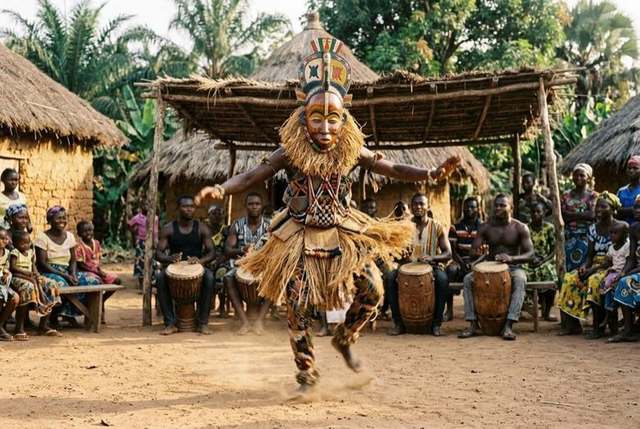
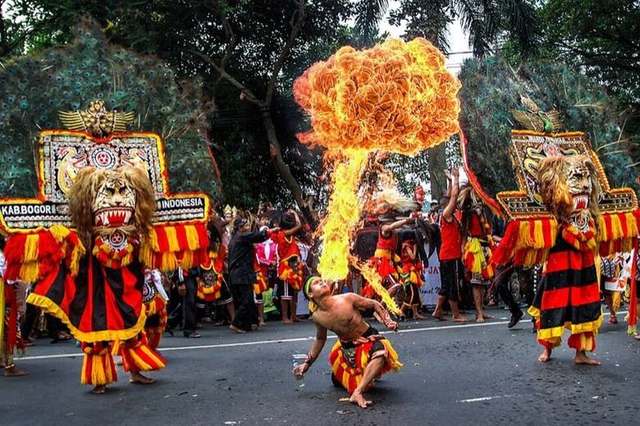
Side-by-side comparison of intangible cultural heritage of Peru (Peru, Peru) and Indigenous Festivity Dedicated to the Dead (Día de Muertos) (Lake Pátzcuaro, Michoacán & Oaxaca, Mexico) across cultural family, chronology, materials, instruments, and living vitality.
| Dimension | Indigenous Festivity Dedicated to the Dead (Día de Muertos) | |
|---|---|---|
| Tradition Name | intangible cultural heritage of Peru | Indigenous Festivity Dedicated to the Dead (Día de Muertos) |
| Native Script / Endonym | Patrimonio cultural inmaterial del Perú | Animeecheri Kuinchekua |
| Cultural Family | Food | Food |
| Primary Geography & Origin | Peru, Peru | Lake Pátzcuaro, Michoacán & Oaxaca, Mexico |
| World Region | Peru | Americas |
| First Attested / Era | Historical oral & textual attestation | Pre-Columbian / 16th century syncretism |
| UNESCO & Inventory Status | Documented in public ethnographic & archival sources | Representative List (2008) |
| Vitality Assessment | ▢▢▢▢ Not yet sourced | ■■■■ Thriving |
| Instruments & Accompaniment | Traditional regional accompaniment | Purépechapirekua guitar & violin, Teponaztli slit drum, Church bells |
| Materials & Medium | Regional performance / craft media | Cempasúchil marigold (Tagetes erecta), Copal tree resin, Papel picado, Pan de muerto & alfeñique sugar |
| Practitioner Lineages | Peru bearer community | Purépecha, Nahua, Zapotec & Mixtec Communities of Mexico |
| Cited Archival Sources | 1 verified sources | 13 verified sources |
intangible cultural heritage of Peru is a food tradition from Peru, Peru (El patrimonio cultural inmaterial del Perú lo componen las manifestaciones culturales peruanas como el folclore, el arte popular, las tradiciones orales, la gastronomía, las ceremonias, las costumbres mágico-religiosas, las leyendas, las fi…), whereas Indigenous Festivity Dedicated to the Dead (Día de Muertos) is a food tradition from Lake Pátzcuaro, Michoacán & Oaxaca, Mexico (Annual autumn return of ancestral souls celebrated across Purépecha, Nahua, Zapotec, and Mixtec communities with cempasúchil marigold paths, copal incense, sugar skulls, and pan de muerto offerings.).
intangible cultural heritage of Peru originated in Peru, Peru (Historical oral & textual attestation). Indigenous Festivity Dedicated to the Dead (Día de Muertos) originated in Lake Pátzcuaro, Michoacán & Oaxaca, Mexico (Pre-Columbian / 16th century syncretism).
intangible cultural heritage of Peru uses traditional regional instruments and media. Indigenous Festivity Dedicated to the Dead (Día de Muertos) uses Purépechapirekua guitar & violin, Teponaztli slit drum, Church bells, Cempasúchil marigold (Tagetes erecta), Copal tree resin, Papel picado, Pan de muerto & alfeñique sugar.
intangible cultural heritage of Peru heritage status: Documented in public ethnographic & archival sources. Indigenous Festivity Dedicated to the Dead (Día de Muertos) heritage status: Representative List (2008).
A free public archive of the world’s living and endangered cultural traditions — documented with primary sources, geographic coordinates, and open-licensed photography. Two rooms, one wall. The door is open.
folkroom — Archive of Living Traditions · Text CC BY-SA 4.0 · Images credited & licensed individually
Open commons: Wikimedia Commons · UNESCO ICH · Openverse · Flickr CC · Wikidata · No trackers · No ads