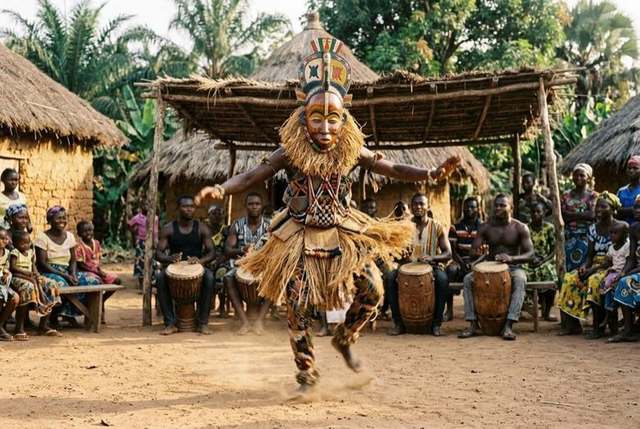
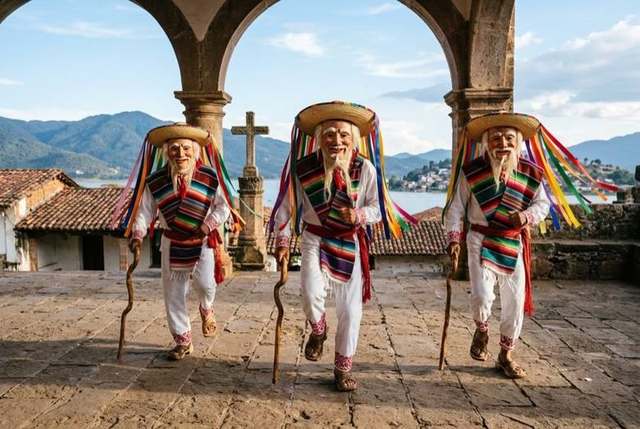
Side-by-side comparison of National Hobo Convention (United States of America, United States of America) and Danza de tijeras (Ayacucho & Huancavelica, Peru) across cultural family, chronology, materials, instruments, and living vitality.
| Dimension | Danza de tijeras | |
|---|---|---|
| Tradition Name | National Hobo Convention | Danza de tijeras |
| Native Script / Endonym | National Hobo Convention | Supaypa wasin tusuq |
| Cultural Family | Living Tradition | Dance |
| Primary Geography & Origin | United States of America, United States of America | Ayacucho & Huancavelica, Peru |
| World Region | United States of America | Americas |
| First Attested / Era | Historical oral & textual attestation | 16th century |
| UNESCO & Inventory Status | Documented in public ethnographic & archival sources | Representative List (2010) |
| Vitality Assessment | ▢▢▢▢ Not yet sourced | ■■■□ Stable |
| Instruments & Accompaniment | Traditional regional accompaniment | Iron scissor blades, Andean harp, Violin |
| Materials & Medium | Regional performance / craft media | Tempered steel blades, Metallic-thread embroidered velvet |
| Practitioner Lineages | United States of America bearer community | Danzantes de Tijeras of Ayacucho & Huancavelica |
| Cited Archival Sources | 1 verified sources | 8 verified sources |
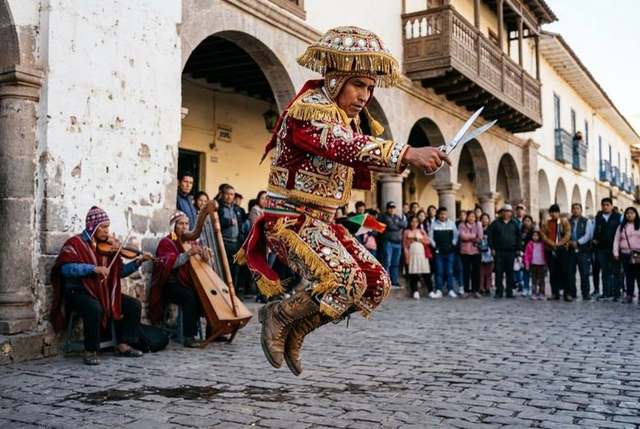
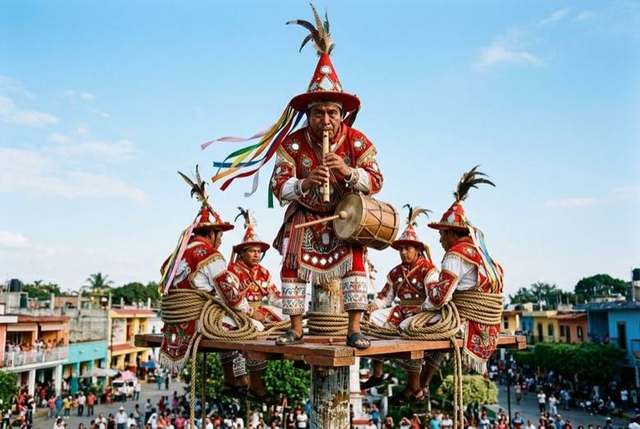
National Hobo Convention is a living tradition tradition from United States of America, United States of America (The National Hobo Convention is held on the second weekend of every August since 1900 in the town of Britt, Iowa, organized by the local Chamber of Commerce, and known throughout the town as the annual "Hobo Day" or "Hobo Days" celebration…), whereas Danza de tijeras is a dance tradition from Ayacucho & Huancavelica, Peru (Quechua ritual competition dance of the southern Peruvian Andes performed with polished iron blades clashed in the dancer's right hand to violin and harp.).
National Hobo Convention originated in United States of America, United States of America (Historical oral & textual attestation). Danza de tijeras originated in Ayacucho & Huancavelica, Peru (16th century).
National Hobo Convention uses traditional regional instruments and media. Danza de tijeras uses Iron scissor blades, Andean harp, Violin, Tempered steel blades, Metallic-thread embroidered velvet.
National Hobo Convention heritage status: Documented in public ethnographic & archival sources. Danza de tijeras heritage status: Representative List (2010).
A free public archive of the world’s living and endangered cultural traditions — documented with primary sources, geographic coordinates, and open-licensed photography. Two rooms, one wall. The door is open.
folkroom — Archive of Living Traditions · Text CC BY-SA 4.0 · Images credited & licensed individually
Open commons: Wikimedia Commons · UNESCO ICH · Openverse · Flickr CC · Wikidata · No trackers · No ads