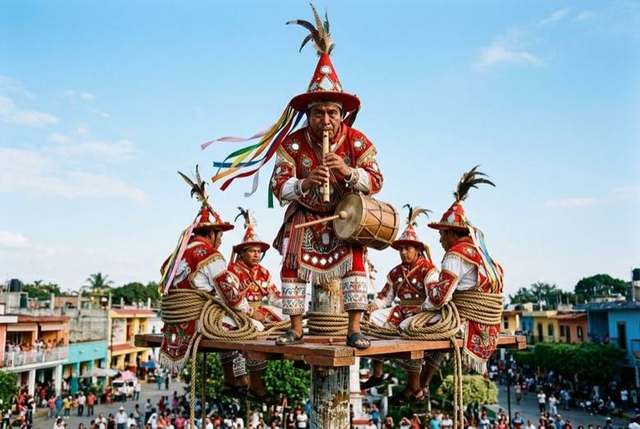
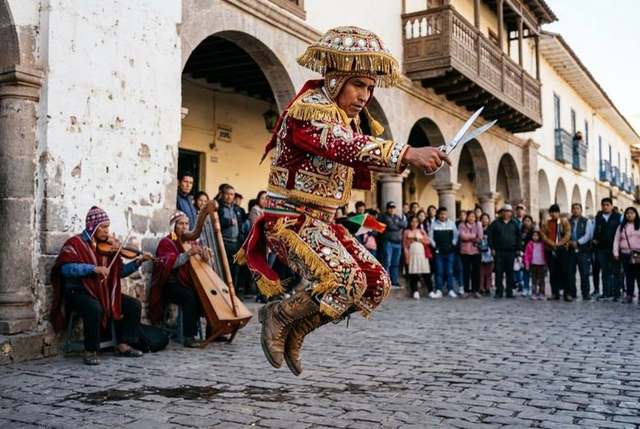
Opening room…
Skip to content
Head-to-Head Archival Dossier · Living Tradition × Dance
Ongkor Festival vs Kathakali: Side-by-Side Archival Comparison
Side-by-side comparison of Ongkor Festival (People's Republic of China, People's Republic of China) and Kathakali (Thrissur, Kerala, India) across cultural family, chronology, materials, instruments, and living vitality.
12-Point Archival Comparison Table: Ongkor Festival vs Kathakali
Study & Syllabus Export Tools · CC BY-SA 4.0
| Dimension | 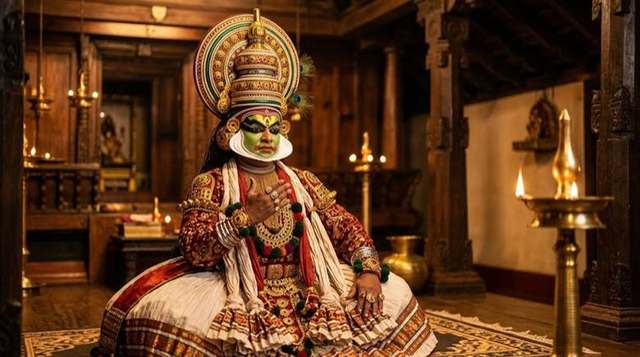 Kathakali | |
|---|---|---|
| Tradition Name | Ongkor Festival | Kathakali |
| Native Script / Endonym | 望果节 | കഥകളി |
Key Differences Between Ongkor Festival and Kathakali
- Geography & Origin: Ongkor Festival is rooted in People's Republic of China, People's Republic of China (attested Historical oral & textual attestation), whereas Kathakali originates in Thrissur, Kerala, India (attested 17th century).
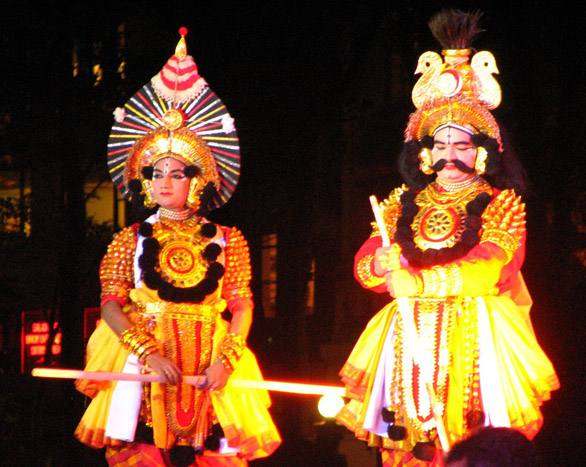
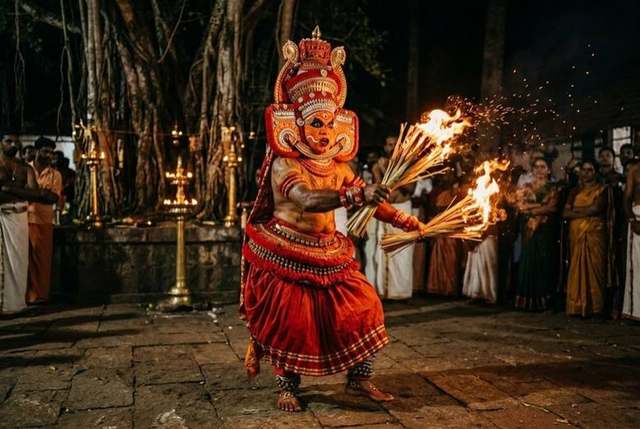
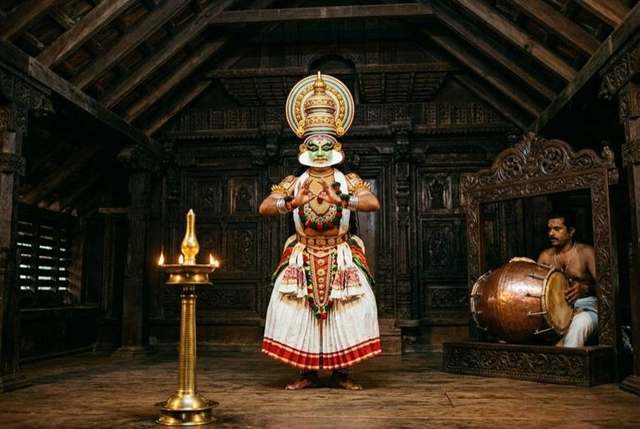
- Classification & Form: Ongkor Festival belongs to the Living Tradition family (The Ongkor Festival (Standard Tibetan: འོང་སྐོར་, 'ong skor, or Serkor (སེར་སྐོར་) in some dialects) is one of the most important Tibetan festivals of the Tibetan lunar year. Ongkor is usually held at the end of summer.), while Kathakali is documented under Dance (Classical dance-drama of Kerala told entirely through mudra hand-gestures, facial expression, and percussion, without a single word spoken by the actor.).
- Instruments & Materials: Ongkor Festival is transmitted through regional performance and craft media; by contrast, Kathakali uses Chenda, Maddalam, Chengila, Ilathalam, Chutti rice paste, Natural mineral pigments, Carved wood crown.
- Heritage Recognition & Vitality: Ongkor Festival is assessed as UNKNOWN (Documented in public ethnographic & archival sources), while Kathakali is assessed as STABLE (National Inventory).
Shared Cultural & Historical Parallels
- Although Ongkor Festival (Living Tradition) and Kathakali (Dance) use different artistic media, both encode community cosmology, seasonal calendars, and regional identity.
- Across People's Republic of China and India, both traditions demonstrate how local communities safeguard ancestral craft and performance knowledge through guild, temple, or village stewardship.
Frequently Asked Questions
What is the main difference between Ongkor Festival and Kathakali?
Ongkor Festival is a living tradition tradition from People's Republic of China, People's Republic of China (The Ongkor Festival (Standard Tibetan: འོང་སྐོར་, 'ong skor, or Serkor (སེར་སྐོར་) in some dialects) is one of the most important Tibetan festivals of the Tibetan lunar year. Ongkor is usually held at the end of summer.), whereas Kathakali is a dance tradition from Thrissur, Kerala, India (Classical dance-drama of Kerala told entirely through mudra hand-gestures, facial expression, and percussion, without a single word spoken by the actor.).
Where did Ongkor Festival and Kathakali originate?
Ongkor Festival originated in People's Republic of China, People's Republic of China (Historical oral & textual attestation). Kathakali originated in Thrissur, Kerala, India (17th century).
What instruments or materials are used in Ongkor Festival vs Kathakali?
Ongkor Festival uses traditional regional instruments and media. Kathakali uses Chenda, Maddalam, Chengila, Ilathalam, Chutti rice paste, Natural mineral pigments, Carved wood crown.
Are Ongkor Festival and Kathakali recognized by UNESCO?
Ongkor Festival heritage status: Documented in public ethnographic & archival sources. Kathakali heritage status: National Inventory.