Opening room…
Head-to-Head Archival Dossier · Craft
pottery in the province of Ávila vs Traditional Violin Craftsmanship in Cremona: Side-by-Side Archival Comparison
Side-by-side comparison of pottery in the province of Ávila (Spain, Spain) and Traditional Violin Craftsmanship in Cremona (Cremona, Lombardy, Italy) across cultural family, chronology, materials, instruments, and living vitality.
12-Point Archival Comparison Table: pottery in the province of Ávila vs Traditional Violin Craftsmanship in Cremona
Study & Syllabus Export Tools · CC BY-SA 4.0
| Dimension | 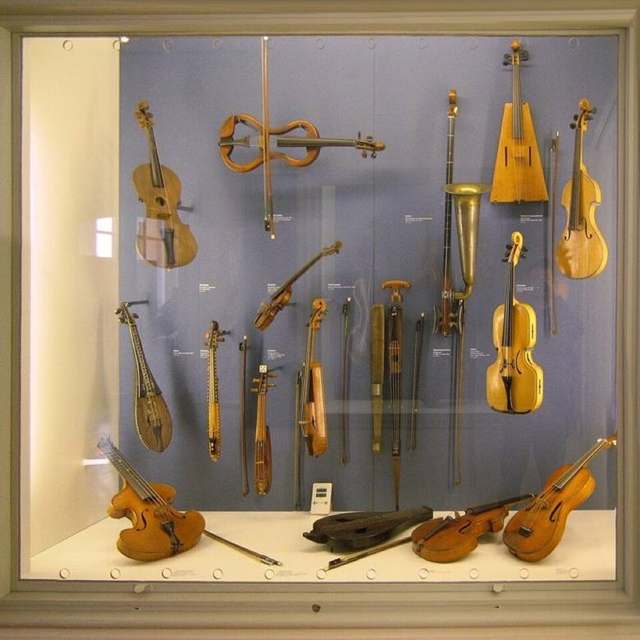 Traditional Violin Craftsmanship in Cremona | |
|---|---|---|
| Tradition Name | pottery in the province of Ávila |
Key Differences Between pottery in the province of Ávila and Traditional Violin Craftsmanship in Cremona
- Geography & Origin: pottery in the province of Ávila is rooted in Spain, Spain (attested Historical oral & textual attestation), whereas Traditional Violin Craftsmanship in Cremona originates in Cremona, Lombardy, Italy (attested 16th century (Andrea Amati, c. 1530s)).
- Classification & Form: pottery in the province of Ávila belongs to the Craft family (La alfarería en la provincia de Ávila (España), con precedentes arqueológicos datados con anterioridad a la romanización, ha conservado una personalidad aislada, a pesar de las influencias de los alfares de provincias limítrofes como Toled…), while Traditional Violin Craftsmanship in Cremona is documented under Craft (Hand-carved violin, viola, cello, and contrabass luthiery of Cremona shaped around an internal wooden mould from over-seventy-piece assemblies of seasoned alpine spruce and flamed maple.).
- Instruments & Materials: pottery in the province of Ávila is transmitted through regional performance and craft media; by contrast, Traditional Violin Craftsmanship in Cremona uses Forma interna wooden mould, Thumb planes, Purfling knives, Bending iron, Val di Fiemme resonance spruce, Flamed maple, Hide glue, Propolis & resin oil varnish.
- Heritage Recognition & Vitality: pottery in the province of Ávila is assessed as UNKNOWN (Documented in public ethnographic & archival sources), while Traditional Violin Craftsmanship in Cremona is assessed as THRIVING (Representative List (2012)).
Shared Cultural & Historical Parallels
- Both pottery in the province of Ávila and Traditional Violin Craftsmanship in Cremona belong to the Craft domain and transmit repertoire across generations through master-disciple lineage rather than commercial mass production.
- Across Spain and Italy, both traditions demonstrate how local communities safeguard ancestral craft and performance knowledge through guild, temple, or village stewardship.
Frequently Asked Questions
What is the main difference between pottery in the province of Ávila and Traditional Violin Craftsmanship in Cremona?
pottery in the province of Ávila is a craft tradition from Spain, Spain (La alfarería en la provincia de Ávila (España), con precedentes arqueológicos datados con anterioridad a la romanización, ha conservado una personalidad aislada, a pesar de las influencias de los alfares de provincias limítrofes como Toled…), whereas Traditional Violin Craftsmanship in Cremona is a craft tradition from Cremona, Lombardy, Italy (Hand-carved violin, viola, cello, and contrabass luthiery of Cremona shaped around an internal wooden mould from over-seventy-piece assemblies of seasoned alpine spruce and flamed maple.).
Where did pottery in the province of Ávila and Traditional Violin Craftsmanship in Cremona originate?
pottery in the province of Ávila originated in Spain, Spain (Historical oral & textual attestation). Traditional Violin Craftsmanship in Cremona originated in Cremona, Lombardy, Italy (16th century (Andrea Amati, c. 1530s)).
What instruments or materials are used in pottery in the province of Ávila vs Traditional Violin Craftsmanship in Cremona?
pottery in the province of Ávila uses traditional regional instruments and media. Traditional Violin Craftsmanship in Cremona uses Forma interna wooden mould, Thumb planes, Purfling knives, Bending iron, Val di Fiemme resonance spruce, Flamed maple, Hide glue, Propolis & resin oil varnish.
Are pottery in the province of Ávila and Traditional Violin Craftsmanship in Cremona recognized by UNESCO?
pottery in the province of Ávila heritage status: Documented in public ethnographic & archival sources. Traditional Violin Craftsmanship in Cremona heritage status: Representative List (2012).