Opening room…
Skip to content
Head-to-Head Archival Dossier · Living Tradition × Dance
一升餅 vs Chhau dance: Side-by-Side Archival Comparison
Side-by-side comparison of 一升餅 (Japan, Japan) and Chhau dance (Seraikela & Purulia, India) across cultural family, chronology, materials, instruments, and living vitality.
12-Point Archival Comparison Table: 一升餅 vs Chhau dance
Study & Syllabus Export Tools · CC BY-SA 4.0
| Dimension |  Chhau dance | |
|---|---|---|
| Tradition Name | 一升餅 | Chhau dance |
| Native Script / Endonym | 一升餅 | छौ नृत्य |
| Cultural Family | Living Tradition |
Key Differences Between 一升餅 and Chhau dance
- Geography & Origin: 一升餅 is rooted in Japan, Japan (attested Historical oral & textual attestation), whereas Chhau dance originates in Seraikela & Purulia, India (attested 18th century).
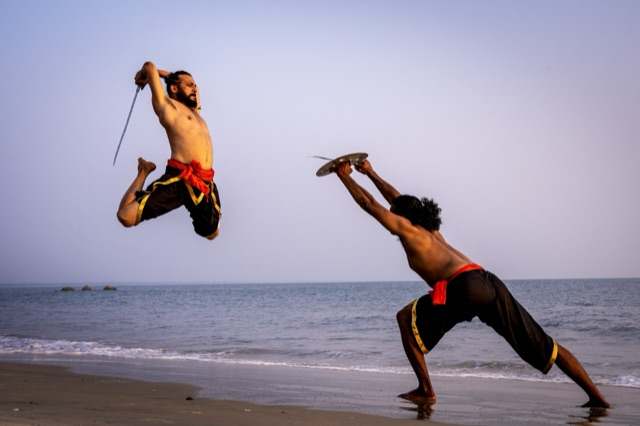
- Classification & Form: 一升餅 belongs to the Living Tradition family (一升餅とは、一般的に一升分の量のもち米から作られた餅を丸めた物の事をさす。使用方法の違いやお飾りの意味合い、地方により、一つ丸めや、2つに分けて2段、または3段にしたり、地域により白蛇に見立てとぐろを巻かせた物など、形状が異なる。丸い事から三種の神器の一つ「八咫鏡」に見立て「鏡餅」とも言う。), while Chhau dance is documented under Dance (Martial and folk dance of eastern India performed during the spring Chaitra Parva festival in three regional schools: Seraikela, Mayurbhanj, and Purulia.).
- Instruments & Materials: 一升餅 is transmitted through regional performance and craft media; by contrast, Chhau dance uses Dhumsa, Dhol, Mahuri, Chadchadi, River clay, Cotton gauze, Shola pith ornaments.
- Heritage Recognition & Vitality: 一升餅 is assessed as UNKNOWN (Documented in public ethnographic & archival sources), while Chhau dance is assessed as STABLE (Representative List (2010)).
Shared Cultural & Historical Parallels
- Although 一升餅 (Living Tradition) and Chhau dance (Dance) use different artistic media, both encode community cosmology, seasonal calendars, and regional identity.
- Across Japan and India, both traditions demonstrate how local communities safeguard ancestral craft and performance knowledge through guild, temple, or village stewardship.
Frequently Asked Questions
What is the main difference between 一升餅 and Chhau dance?
一升餅 is a living tradition tradition from Japan, Japan (一升餅とは、一般的に一升分の量のもち米から作られた餅を丸めた物の事をさす。使用方法の違いやお飾りの意味合い、地方により、一つ丸めや、2つに分けて2段、または3段にしたり、地域により白蛇に見立てとぐろを巻かせた物など、形状が異なる。丸い事から三種の神器の一つ「八咫鏡」に見立て「鏡餅」とも言う。), whereas Chhau dance is a dance tradition from Seraikela & Purulia, India (Martial and folk dance of eastern India performed during the spring Chaitra Parva festival in three regional schools: Seraikela, Mayurbhanj, and Purulia.).
Where did 一升餅 and Chhau dance originate?
一升餅 originated in Japan, Japan (Historical oral & textual attestation). Chhau dance originated in Seraikela & Purulia, India (18th century).
What instruments or materials are used in 一升餅 vs Chhau dance?
一升餅 uses traditional regional instruments and media. Chhau dance uses Dhumsa, Dhol, Mahuri, Chadchadi, River clay, Cotton gauze, Shola pith ornaments.
Are 一升餅 and Chhau dance recognized by UNESCO?
一升餅 heritage status: Documented in public ethnographic & archival sources. Chhau dance heritage status: Representative List (2010).