Opening room…
Skip to content
Head-to-Head Archival Dossier · Dance
Reog Ponorogo vs Danza de los Viejitos: Side-by-Side Archival Comparison
Side-by-side comparison of Reog Ponorogo (Ponorogo, East Java, Indonesia) and Danza de los Viejitos (Jarácuaro, Michoacán, Mexico) across cultural family, chronology, materials, instruments, and living vitality.
12-Point Archival Comparison Table: Reog Ponorogo vs Danza de los Viejitos
Study & Syllabus Export Tools · CC BY-SA 4.0
| Dimension | 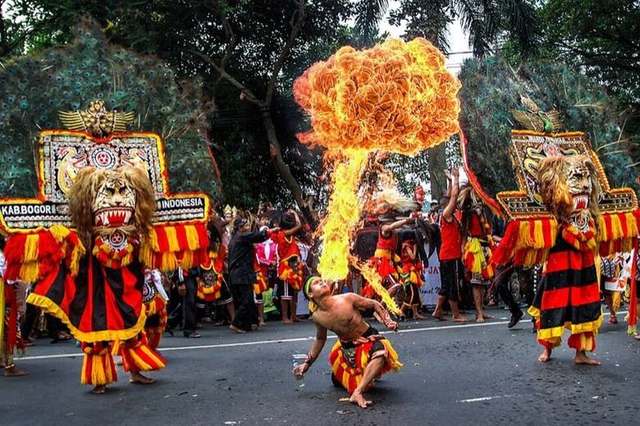 Reog Ponorogo | 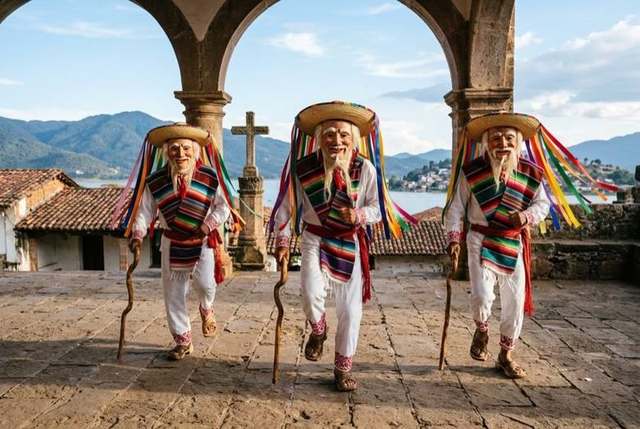 Danza de los Viejitos |
|---|---|---|
| Tradition Name | Reog Ponorogo | Danza de los Viejitos |
| Native Script / Endonym | ꦫꦺꦪꦺꦴꦒ꧀ | T'arhépitiicha |
| Cultural Family | Dance | Dance |
| Primary Geography & Origin | Ponorogo, East Java, Indonesia | Jarácuaro, Michoacán, Mexico |
| World Region | Asia | Americas |
| First Attested / Era | 15th century | Pre-Columbian |
| UNESCO & Inventory Status | Urgent Safeguarding (2024) | National Inventory |
| Vitality Assessment | ■■■□ Stable | ■■■■ Thriving |
| Instruments & Accompaniment | Selompret, Kendang Ponorogo, Kenong, Angklung Reog | Guitarra séptima, Violin, Tololoche |
| Materials & Medium | Peacock feathers, Bamboo frame, Carved dadap wood | Carved colorín wood mask, Woven palm hat, Wooden-soled huaraches |
| Practitioner Lineages | Warok & Reog Paguyuban of Ponorogo | Purépecha Ensembles of Lake Pátzcuaro |
| Cited Archival Sources | 7 verified sources | 6 verified sources |
Key Differences Between Reog Ponorogo and Danza de los Viejitos
- Geography & Origin: Reog Ponorogo is rooted in Ponorogo, East Java, Indonesia (attested 15th century), whereas Danza de los Viejitos originates in Jarácuaro, Michoacán, Mexico (attested Pre-Columbian).
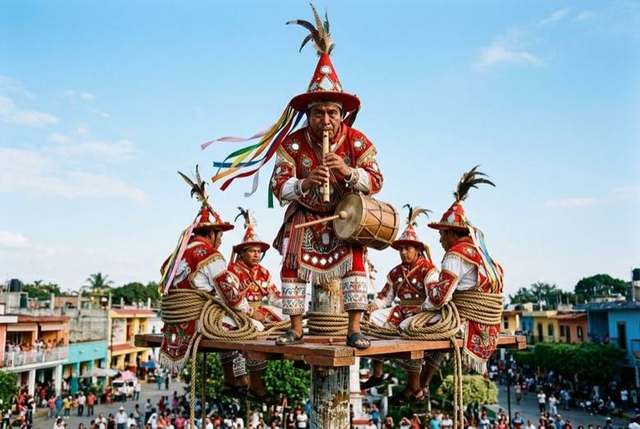
- Classification & Form: Reog Ponorogo belongs to the Dance family (East Javanese open-air ritual dance drama anchored by the towering Singa Barong lion-peacock mask carried solely by the strength of the dancer's teeth.), while Danza de los Viejitos is documented under Dance (Purépecha masked dance of Lake Pátzcuaro in which dancers bent over wooden canes erupt into thunderous wooden-soled zapateado footwork.).
- Instruments & Materials: Reog Ponorogo relies on Selompret, Kendang Ponorogo, Kenong, Angklung Reog, Peacock feathers, Bamboo frame, Carved dadap wood; by contrast, Danza de los Viejitos uses Guitarra séptima, Violin, Tololoche, Carved colorín wood mask, Woven palm hat, Wooden-soled huaraches.
- Heritage Recognition & Vitality: Reog Ponorogo is assessed as STABLE (Urgent Safeguarding (2024)), while Danza de los Viejitos is assessed as THRIVING (National Inventory).
Shared Cultural & Historical Parallels
- Both Reog Ponorogo and Danza de los Viejitos belong to the Dance domain and transmit repertoire across generations through master-disciple lineage rather than commercial mass production.
- Across Indonesia and Mexico, both traditions demonstrate how local communities safeguard ancestral craft and performance knowledge through guild, temple, or village stewardship.
Frequently Asked Questions
What is the main difference between Reog Ponorogo and Danza de los Viejitos?
Reog Ponorogo is a dance tradition from Ponorogo, East Java, Indonesia (East Javanese open-air ritual dance drama anchored by the towering Singa Barong lion-peacock mask carried solely by the strength of the dancer's teeth.), whereas Danza de los Viejitos is a dance tradition from Jarácuaro, Michoacán, Mexico (Purépecha masked dance of Lake Pátzcuaro in which dancers bent over wooden canes erupt into thunderous wooden-soled zapateado footwork.).
Where did Reog Ponorogo and Danza de los Viejitos originate?
Reog Ponorogo originated in Ponorogo, East Java, Indonesia (15th century). Danza de los Viejitos originated in Jarácuaro, Michoacán, Mexico (Pre-Columbian).
What instruments or materials are used in Reog Ponorogo vs Danza de los Viejitos?
Reog Ponorogo uses Selompret, Kendang Ponorogo, Kenong, Angklung Reog, Peacock feathers, Bamboo frame, Carved dadap wood. Danza de los Viejitos uses Guitarra séptima, Violin, Tololoche, Carved colorín wood mask, Woven palm hat, Wooden-soled huaraches.
Are Reog Ponorogo and Danza de los Viejitos recognized by UNESCO?
Reog Ponorogo heritage status: Urgent Safeguarding (2024). Danza de los Viejitos heritage status: National Inventory.