What is the main difference between Semah, Alevi-Bektaşi ritual and Danza de tijeras?
Semah, Alevi-Bektaşi ritual is a dance tradition from Turkey, Turkey (Sama, literally Listening, is a Sufi ritual performed as part of the meditation and prayer practice known as Dhikr (in English, Remembrance [of God]).), whereas Danza de tijeras is a dance tradition from Ayacucho & Huancavelica, Peru (Quechua ritual competition dance of the southern Peruvian Andes performed with polished iron blades clashed in the dancer's right hand to violin and harp.).
Where did Semah, Alevi-Bektaşi ritual and Danza de tijeras originate?
Semah, Alevi-Bektaşi ritual originated in Turkey, Turkey (Historical oral & textual attestation). Danza de tijeras originated in Ayacucho & Huancavelica, Peru (16th century).
What instruments or materials are used in Semah, Alevi-Bektaşi ritual vs Danza de tijeras?
Semah, Alevi-Bektaşi ritual uses traditional regional instruments and media. Danza de tijeras uses Iron scissor blades, Andean harp, Violin, Tempered steel blades, Metallic-thread embroidered velvet.
Are Semah, Alevi-Bektaşi ritual and Danza de tijeras recognized by UNESCO?
Semah, Alevi-Bektaşi ritual heritage status: Documented in public ethnographic & archival sources. Danza de tijeras heritage status: Representative List (2010).
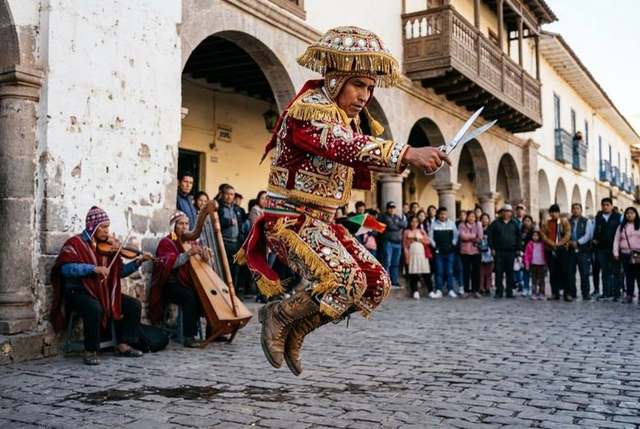 Representative List (2010)Ayacucho & Huancavelica, Peru · 16th century