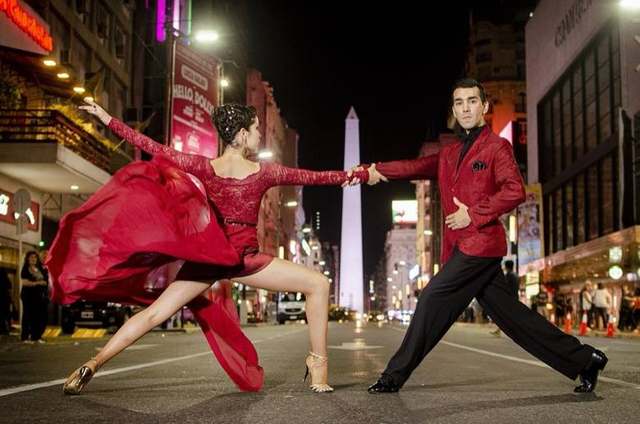
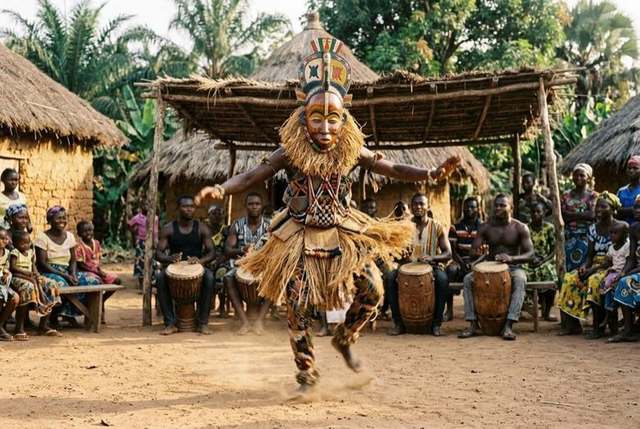
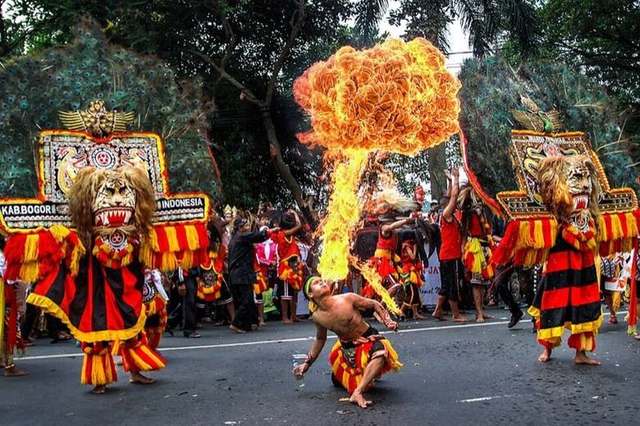
Opening room…
Skip to content
Head-to-Head Archival Dossier · Living Tradition × Dance
Sulha vs Danza de los Voladores: Side-by-Side Archival Comparison
Side-by-side comparison of Sulha (Palestine, Palestine) and Danza de los Voladores (Papantla, Veracruz, Mexico) across cultural family, chronology, materials, instruments, and living vitality.
12-Point Archival Comparison Table: Sulha vs Danza de los Voladores
Study & Syllabus Export Tools · CC BY-SA 4.0
| Dimension | 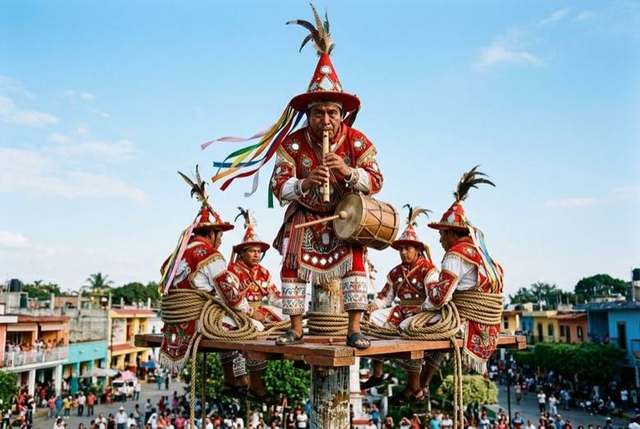 Danza de los Voladores | |
|---|---|---|
| Tradition Name | Sulha | Danza de los Voladores |
| Native Script / Endonym | صلح | Kos'niin |
| Cultural Family |
Key Differences Between Sulha and Danza de los Voladores
- Geography & Origin: Sulha is rooted in Palestine, Palestine (attested Historical oral & textual attestation), whereas Danza de los Voladores originates in Papantla, Veracruz, Mexico (attested Pre-Columbian).
- Classification & Form: Sulha belongs to the Living Tradition family (La sulha est la forme du sulh, un processus traditionnel et islamique de résolution des conflits et de réconciliation, présente au sein des communautés arabes du Moyen-Orient et en particulier dans la société palestinienne.), while Danza de los Voladores is documented under Dance (Totonac ritual ceremony in which four flyers descend headfirst by ropes from a thirty-metre rotating pole while the caporal plays flute and drum atop the mast.).
- Instruments & Materials: Sulha is transmitted through regional performance and craft media; by contrast, Danza de los Voladores uses Reed three-hole flute, Tabor hand drum, Forest timber mast, Hemp waist ropes, Embroidered ceremonial regalia.
- Heritage Recognition & Vitality: Sulha is assessed as UNKNOWN (Documented in public ethnographic & archival sources), while Danza de los Voladores is assessed as STABLE (Representative List (2009)).
Shared Cultural & Historical Parallels
- Although Sulha (Living Tradition) and Danza de los Voladores (Dance) use different artistic media, both encode community cosmology, seasonal calendars, and regional identity.
- Across Palestine and Mexico, both traditions demonstrate how local communities safeguard ancestral craft and performance knowledge through guild, temple, or village stewardship.
Frequently Asked Questions
What is the main difference between Sulha and Danza de los Voladores?
Sulha is a living tradition tradition from Palestine, Palestine (La sulha est la forme du sulh, un processus traditionnel et islamique de résolution des conflits et de réconciliation, présente au sein des communautés arabes du Moyen-Orient et en particulier dans la société palestinienne.), whereas Danza de los Voladores is a dance tradition from Papantla, Veracruz, Mexico (Totonac ritual ceremony in which four flyers descend headfirst by ropes from a thirty-metre rotating pole while the caporal plays flute and drum atop the mast.).
Where did Sulha and Danza de los Voladores originate?
Sulha originated in Palestine, Palestine (Historical oral & textual attestation). Danza de los Voladores originated in Papantla, Veracruz, Mexico (Pre-Columbian).
What instruments or materials are used in Sulha vs Danza de los Voladores?
Sulha uses traditional regional instruments and media. Danza de los Voladores uses Reed three-hole flute, Tabor hand drum, Forest timber mast, Hemp waist ropes, Embroidered ceremonial regalia.
Are Sulha and Danza de los Voladores recognized by UNESCO?
Sulha heritage status: Documented in public ethnographic & archival sources. Danza de los Voladores heritage status: Representative List (2009).