Opening room…
Skip to content
Head-to-Head Archival Dossier · Dance
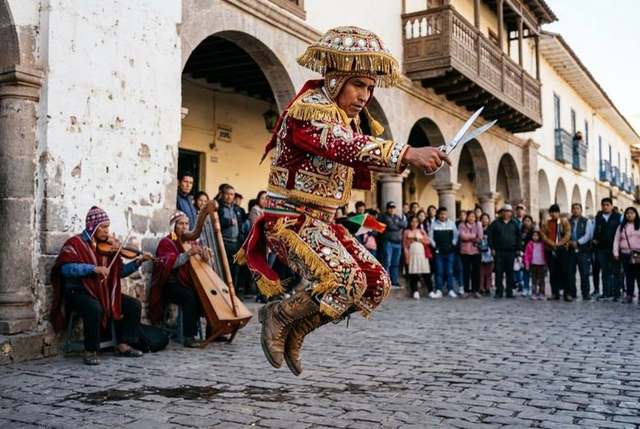
tahtib vs Danza de los Voladores: Side-by-Side Archival Comparison
Side-by-side comparison of tahtib (Egypt, Egypt) and Danza de los Voladores (Papantla, Veracruz, Mexico) across cultural family, chronology, materials, instruments, and living vitality.
12-Point Archival Comparison Table: tahtib vs Danza de los Voladores
Study & Syllabus Export Tools · CC BY-SA 4.0
| Dimension | 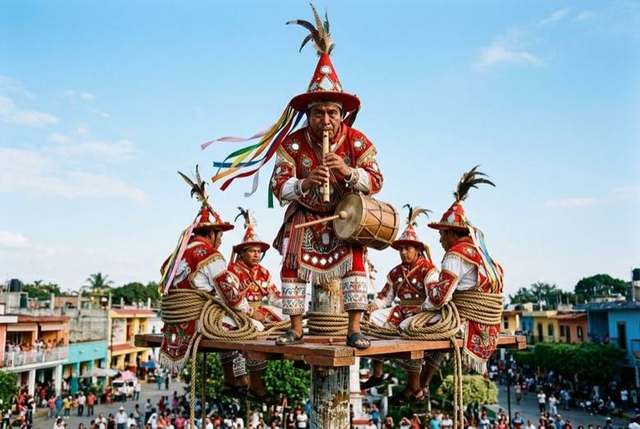 Danza de los Voladores | |
|---|---|---|
| Tradition Name | tahtib | Danza de los Voladores |
| Native Script / Endonym | تحطيب | Kos'niin |
| Cultural Family |
Key Differences Between tahtib and Danza de los Voladores
- Geography & Origin: tahtib is rooted in Egypt, Egypt (attested Historical oral & textual attestation), whereas Danza de los Voladores originates in Papantla, Veracruz, Mexico (attested Pre-Columbian).
- Classification & Form: tahtib belongs to the Dance family (Tahtib (Arabic: تحطيب, romanized: taḥṭīb) is the term for a traditional stick-fighting martial art originally named fan a'nazaha wa-tahtib ("the art of being straight and honest through the use of stick").), while Danza de los Voladores is documented under Dance (Totonac ritual ceremony in which four flyers descend headfirst by ropes from a thirty-metre rotating pole while the caporal plays flute and drum atop the mast.).
- Instruments & Materials: tahtib is transmitted through regional performance and craft media; by contrast, Danza de los Voladores uses Reed three-hole flute, Tabor hand drum, Forest timber mast, Hemp waist ropes, Embroidered ceremonial regalia.
- Heritage Recognition & Vitality: tahtib is assessed as STABLE (Documented in public ethnographic & archival sources), while Danza de los Voladores is assessed as STABLE (Representative List (2009)).
Shared Cultural & Historical Parallels
- Both tahtib and Danza de los Voladores belong to the Dance domain and transmit repertoire across generations through master-disciple lineage rather than commercial mass production.
- Across Egypt and Mexico, both traditions demonstrate how local communities safeguard ancestral craft and performance knowledge through guild, temple, or village stewardship.
Frequently Asked Questions
What is the main difference between tahtib and Danza de los Voladores?
tahtib is a dance tradition from Egypt, Egypt (Tahtib (Arabic: تحطيب, romanized: taḥṭīb) is the term for a traditional stick-fighting martial art originally named fan a'nazaha wa-tahtib ("the art of being straight and honest through the use of stick").), whereas Danza de los Voladores is a dance tradition from Papantla, Veracruz, Mexico (Totonac ritual ceremony in which four flyers descend headfirst by ropes from a thirty-metre rotating pole while the caporal plays flute and drum atop the mast.).
Where did tahtib and Danza de los Voladores originate?
tahtib originated in Egypt, Egypt (Historical oral & textual attestation). Danza de los Voladores originated in Papantla, Veracruz, Mexico (Pre-Columbian).
What instruments or materials are used in tahtib vs Danza de los Voladores?
tahtib uses traditional regional instruments and media. Danza de los Voladores uses Reed three-hole flute, Tabor hand drum, Forest timber mast, Hemp waist ropes, Embroidered ceremonial regalia.
Are tahtib and Danza de los Voladores recognized by UNESCO?
tahtib heritage status: Documented in public ethnographic & archival sources. Danza de los Voladores heritage status: Representative List (2009).