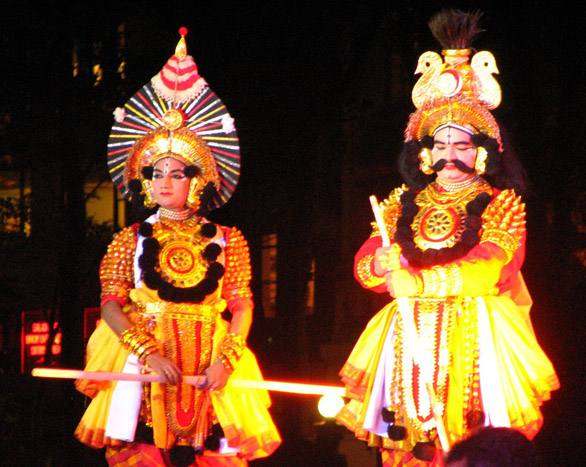
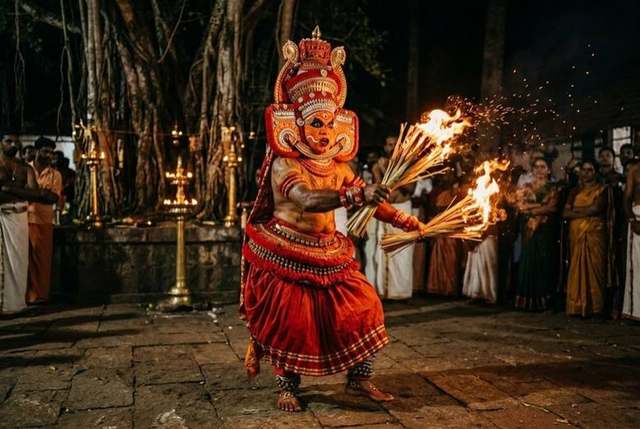
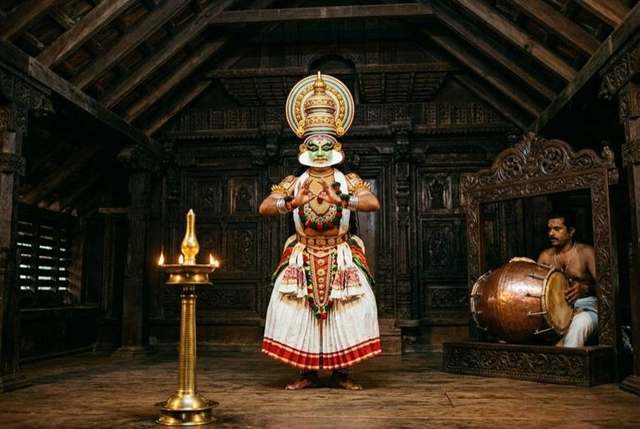
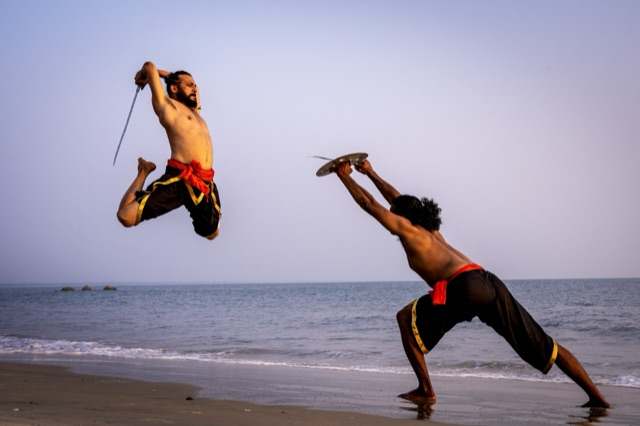
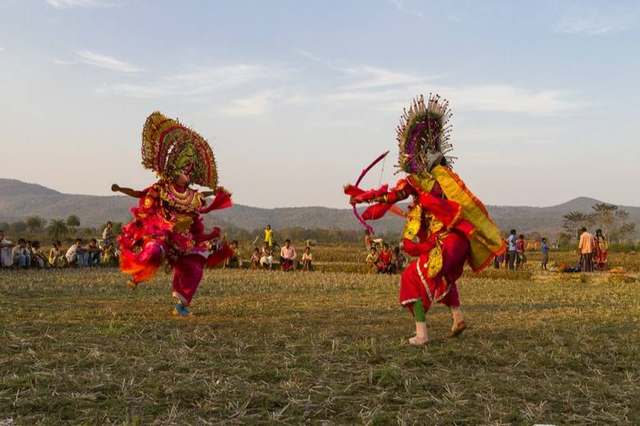
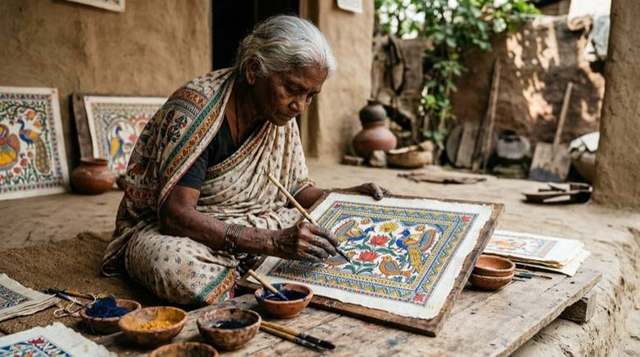
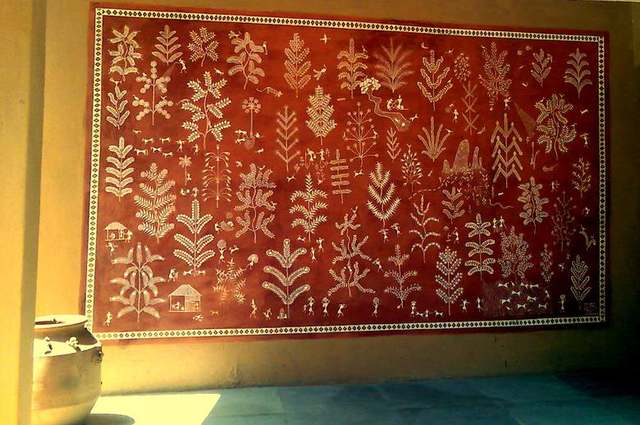
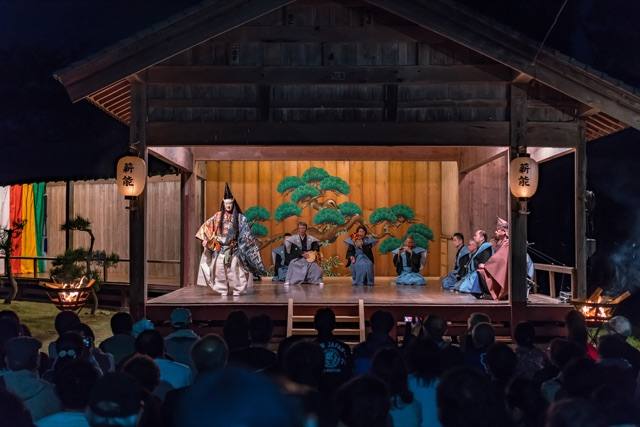
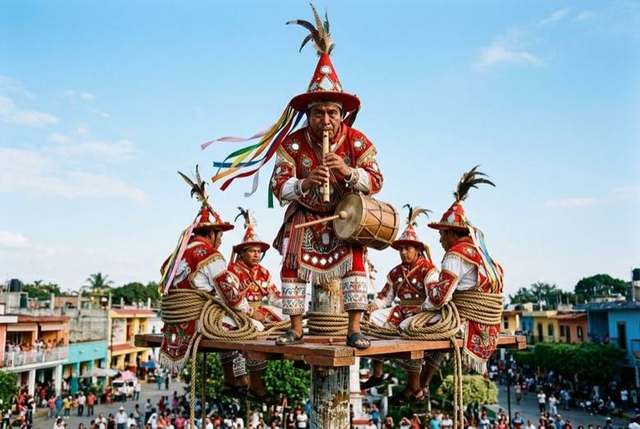
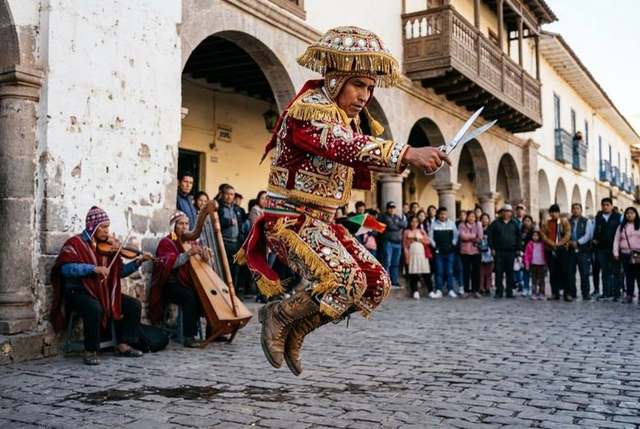
Side-by-side comparison of tattooing in Ainu and Jōmon culture (Documented region, Global Archive) and Kathakali (Thrissur, Kerala, India) across cultural family, chronology, materials, instruments, and living vitality.
| Dimension | Kathakali | |
|---|---|---|
| Tradition Name | tattooing in Ainu and Jōmon culture | Kathakali |
| Native Script / Endonym | tattooing in Ainu and Jōmon culture | കഥകളി |
| Cultural Family | Living Tradition | Dance |
| Primary Geography & Origin | Documented region, Global Archive | Thrissur, Kerala, India |
| World Region | Global | Asia |
| First Attested / Era | Historical oral & textual attestation | 17th century |
| UNESCO & Inventory Status | Documented in public ethnographic & archival sources | National Inventory |
| Vitality Assessment | ▢▢▢▢ Not yet sourced | ■■■□ Stable |
| Instruments & Accompaniment | Traditional regional accompaniment | Chenda, Maddalam, Chengila, Ilathalam |
| Materials & Medium | Regional performance / craft media | Chutti rice paste, Natural mineral pigments, Carved wood crown |
| Practitioner Lineages | Regional bearer community | Kerala Kalamandalam · Kottakkal PSV Natyasangham |
| Cited Archival Sources | 1 verified sources | 14 verified sources |
tattooing in Ainu and Jōmon culture is a living tradition tradition from Documented region, Global Archive (Anci-Piri (auch Anchi-Piri oder Anci-Pini, deutsch: Obsidian-Schnittwunde, später Nuye für „schneiden“, Hence für „tätowieren“ und „schreiben“ oder sinuye für „sich selbst schneiden“) ist die Bezeichnung für die ehemalig traditionellen Täto…), whereas Kathakali is a dance tradition from Thrissur, Kerala, India (Classical dance-drama of Kerala told entirely through mudra hand-gestures, facial expression, and percussion, without a single word spoken by the actor.).
tattooing in Ainu and Jōmon culture originated in Documented region, Global Archive (Historical oral & textual attestation). Kathakali originated in Thrissur, Kerala, India (17th century).
tattooing in Ainu and Jōmon culture uses traditional regional instruments and media. Kathakali uses Chenda, Maddalam, Chengila, Ilathalam, Chutti rice paste, Natural mineral pigments, Carved wood crown.
tattooing in Ainu and Jōmon culture heritage status: Documented in public ethnographic & archival sources. Kathakali heritage status: National Inventory.
A free public archive of the world’s living and endangered cultural traditions — documented with primary sources, geographic coordinates, and open-licensed photography. Two rooms, one wall. The door is open.
folkroom — Archive of Living Traditions · Text CC BY-SA 4.0 · Images credited & licensed individually
Open commons: Wikimedia Commons · UNESCO ICH · Openverse · Flickr CC · Wikidata · No trackers · No ads