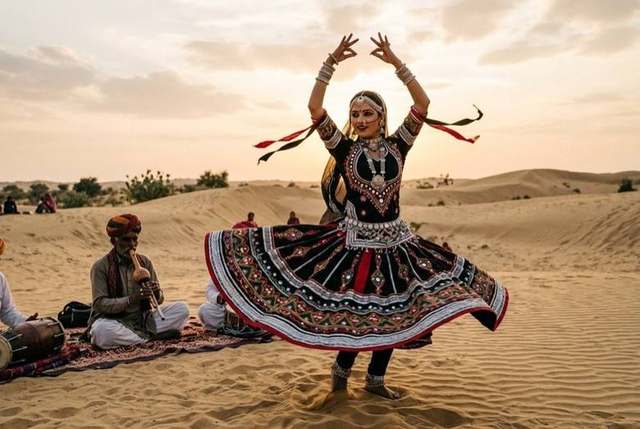
Side-by-side comparison of The tradition of Kyavar pakhlava making and its use (Armenia, Armenia) and Chhau dance (Seraikela & Purulia, India) across cultural family, chronology, materials, instruments, and living vitality.
| Dimension | Chhau dance | |
|---|---|---|
| Tradition Name | The tradition of Kyavar pakhlava making and its use | Chhau dance |
| Native Script / Endonym | Քյավառի փախլավայի պատրաստման և կիրառման ավանդույթ | छौ नृत्य |
| Cultural Family | Living Tradition | Dance |
| Primary Geography & Origin | Armenia, Armenia | Seraikela & Purulia, India |
| World Region | Armenia | Asia |
| First Attested / Era | Historical oral & textual attestation | 18th century |
| UNESCO & Inventory Status | Documented in public ethnographic & archival sources | Representative List (2010) |
| Vitality Assessment | ▢▢▢▢ Not yet sourced | ■■■□ Stable |
| Instruments & Accompaniment | Traditional regional accompaniment | Dhumsa, Dhol, Mahuri, Chadchadi |
| Materials & Medium | Regional performance / craft media | River clay, Cotton gauze, Shola pith ornaments |
| Practitioner Lineages | Armenia bearer community | Seraikela Chhau Acharya Troupes · Chorida Mask Makers |
| Cited Archival Sources | 1 verified sources | 11 verified sources |
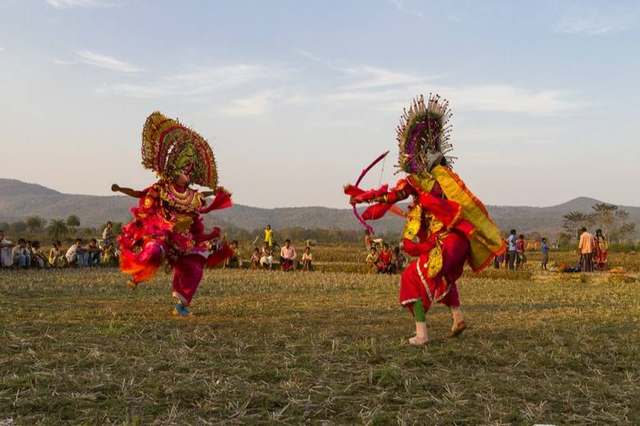
The tradition of Kyavar pakhlava making and its use is a living tradition tradition from Armenia, Armenia (Քյավառի փախլավա, հայտնի է եղել նաև որպես Բայազետի փախլավա, քաղցրավենիք, որի պատրաստումը տարածված է հիմնականում Գավառի տարածաշրջանում։), whereas Chhau dance is a dance tradition from Seraikela & Purulia, India (Martial and folk dance of eastern India performed during the spring Chaitra Parva festival in three regional schools: Seraikela, Mayurbhanj, and Purulia.).
The tradition of Kyavar pakhlava making and its use originated in Armenia, Armenia (Historical oral & textual attestation). Chhau dance originated in Seraikela & Purulia, India (18th century).
The tradition of Kyavar pakhlava making and its use uses traditional regional instruments and media. Chhau dance uses Dhumsa, Dhol, Mahuri, Chadchadi, River clay, Cotton gauze, Shola pith ornaments.
The tradition of Kyavar pakhlava making and its use heritage status: Documented in public ethnographic & archival sources. Chhau dance heritage status: Representative List (2010).
A free public archive of the world’s living and endangered cultural traditions — documented with primary sources, geographic coordinates, and open-licensed photography. Two rooms, one wall. The door is open.
folkroom — Archive of Living Traditions · Text CC BY-SA 4.0 · Images credited & licensed individually
Open commons: Wikimedia Commons · UNESCO ICH · Openverse · Flickr CC · Wikidata · No trackers · No ads