Side-by-side comparison of Traditional Crafts of Japan (as designated by the Minister of Economy, Trade and Industry) (Japan, Japan) and Traditional Violin Craftsmanship in Cremona (Cremona, Lombardy, Italy) across cultural family, chronology, materials, instruments, and living vitality.
| Dimension | Traditional Violin Craftsmanship in Cremona | |
|---|---|---|
| Tradition Name | Traditional Crafts of Japan (as designated by the Minister of Economy, Trade and Industry) | Traditional Violin Craftsmanship in Cremona |
| Native Script / Endonym | 経済産業大臣指定伝統的工芸品 | Saper fare liutario della tradizione cremonese |
| Cultural Family | Craft | Craft |
| Primary Geography & Origin | Japan, Japan | Cremona, Lombardy, Italy |
| World Region | Japan | Europe |
| First Attested / Era | Historical oral & textual attestation | 16th century (Andrea Amati, c. 1530s) |
| UNESCO & Inventory Status | Documented in public ethnographic & archival sources | Representative List (2012) |
| Vitality Assessment | ▢▢▢▢ Not yet sourced | ■■■■ Thriving |
| Instruments & Accompaniment |
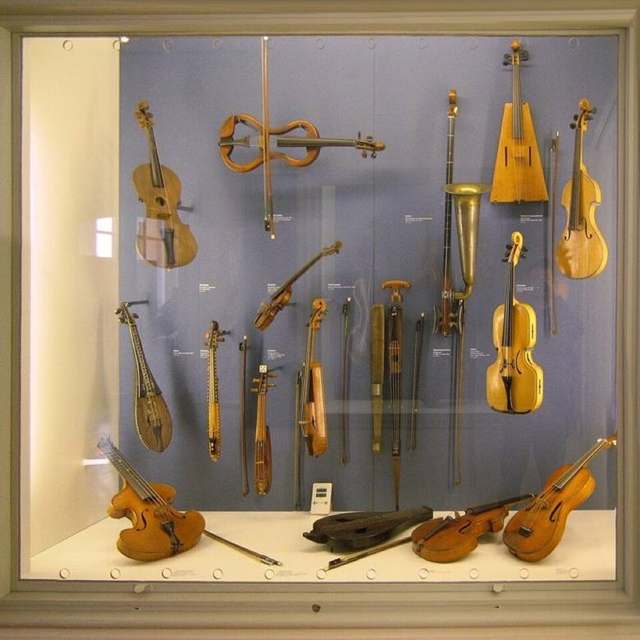
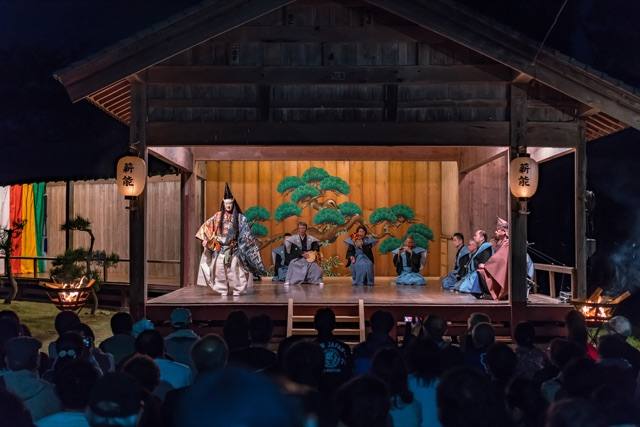
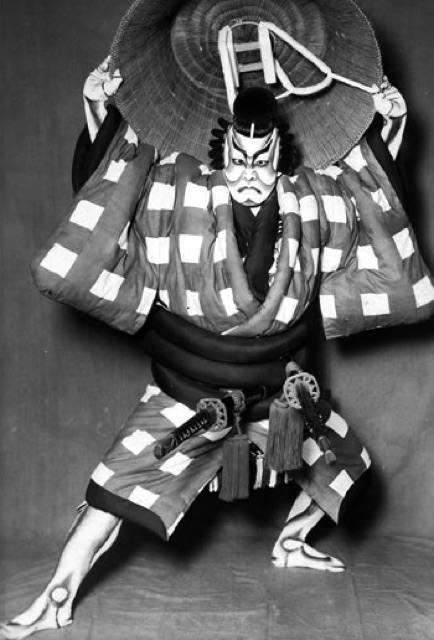
Traditional Crafts of Japan (as designated by the Minister of Economy, Trade and Industry) is a craft tradition from Japan, Japan (The traditional crafts of Japan (伝統的工芸品, dentōteki kōgeihin) is a series of Japanese crafts specially recognized and designated as such by the Minister of Economy, Trade and Industry (formerly, the Minister of International Trade and Indust…), whereas Traditional Violin Craftsmanship in Cremona is a craft tradition from Cremona, Lombardy, Italy (Hand-carved violin, viola, cello, and contrabass luthiery of Cremona shaped around an internal wooden mould from over-seventy-piece assemblies of seasoned alpine spruce and flamed maple.).
Traditional Crafts of Japan (as designated by the Minister of Economy, Trade and Industry) originated in Japan, Japan (Historical oral & textual attestation). Traditional Violin Craftsmanship in Cremona originated in Cremona, Lombardy, Italy (16th century (Andrea Amati, c. 1530s)).
Traditional Crafts of Japan (as designated by the Minister of Economy, Trade and Industry) uses traditional regional instruments and media. Traditional Violin Craftsmanship in Cremona uses Forma interna wooden mould, Thumb planes, Purfling knives, Bending iron, Val di Fiemme resonance spruce, Flamed maple, Hide glue, Propolis & resin oil varnish.
Traditional Crafts of Japan (as designated by the Minister of Economy, Trade and Industry) heritage status: Documented in public ethnographic & archival sources. Traditional Violin Craftsmanship in Cremona heritage status: Representative List (2012).
A free public archive of the world’s living and endangered cultural traditions — documented with primary sources, geographic coordinates, and open-licensed photography. Two rooms, one wall. The door is open.
folkroom — Archive of Living Traditions · Text CC BY-SA 4.0 · Images credited & licensed individually
Open commons: Wikimedia Commons · UNESCO ICH · Openverse · Flickr CC · Wikidata · No trackers · No ads
| Traditional regional accompaniment |
| Forma interna wooden mould, Thumb planes, Purfling knives, Bending iron |
| Materials & Medium | Regional performance / craft media | Val di Fiemme resonance spruce, Flamed maple, Hide glue, Propolis & resin oil varnish |
| Practitioner Lineages | Japan bearer community | Consorzio Liutai Antonio Stradivari & Botteghe of Cremona |
| Cited Archival Sources | 1 verified sources | 11 verified sources |