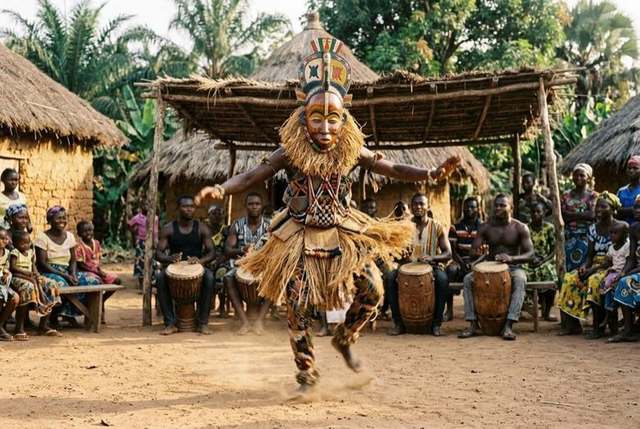
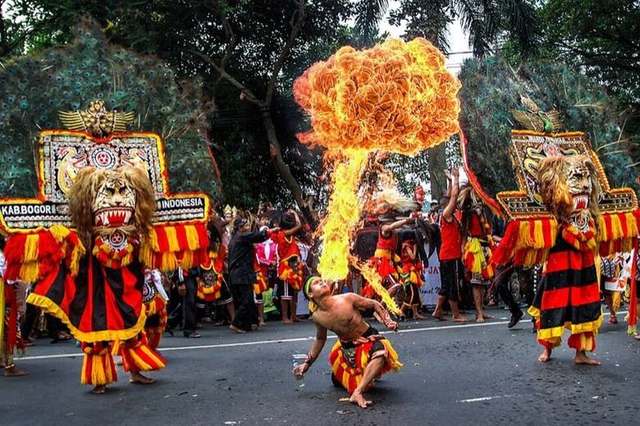
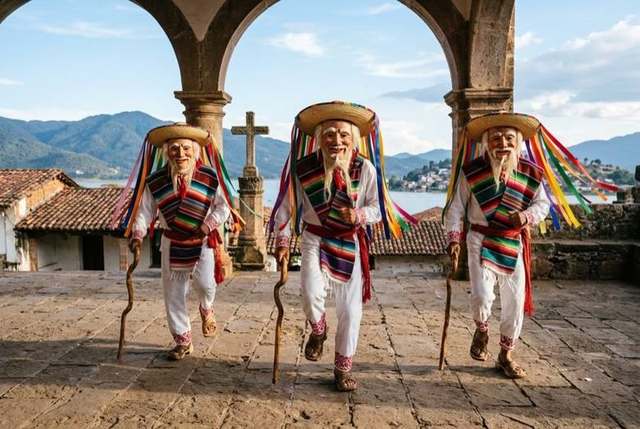
Opening room…
Skip to content
Head-to-Head Archival Dossier · Dance
Ugrós vs Danza de tijeras: Side-by-Side Archival Comparison
Side-by-side comparison of Ugrós (Documented region, Global Archive) and Danza de tijeras (Ayacucho & Huancavelica, Peru) across cultural family, chronology, materials, instruments, and living vitality.
12-Point Archival Comparison Table: Ugrós vs Danza de tijeras
Study & Syllabus Export Tools · CC BY-SA 4.0
| Dimension | 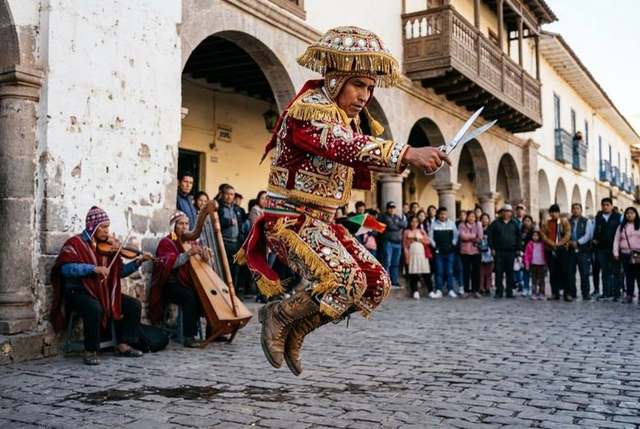 Danza de tijeras | |
|---|---|---|
| Tradition Name | Ugrós | Danza de tijeras |
| Native Script / Endonym | Ugrós | Supaypa wasin tusuq |
| Cultural Family |
Key Differences Between Ugrós and Danza de tijeras
- Geography & Origin: Ugrós is rooted in Documented region, Global Archive (attested Historical oral & textual attestation), whereas Danza de tijeras originates in Ayacucho & Huancavelica, Peru (attested 16th century).
- Classification & Form: Ugrós belongs to the Dance family (The Ugrós is an athletic Hungarian couples' jumping dance in 24 meter with an off-beat accent similar to polkas or hasaposerviko. Its origins lay in weapon dances from the Middle Ages.), while Danza de tijeras is documented under Dance (Quechua ritual competition dance of the southern Peruvian Andes performed with polished iron blades clashed in the dancer's right hand to violin and harp.).
- Instruments & Materials: Ugrós is transmitted through regional performance and craft media; by contrast, Danza de tijeras uses Iron scissor blades, Andean harp, Violin, Tempered steel blades, Metallic-thread embroidered velvet.
- Heritage Recognition & Vitality: Ugrós is assessed as UNKNOWN (Documented in public ethnographic & archival sources), while Danza de tijeras is assessed as STABLE (Representative List (2010)).
Shared Cultural & Historical Parallels
- Both Ugrós and Danza de tijeras belong to the Dance domain and transmit repertoire across generations through master-disciple lineage rather than commercial mass production.
- Across Global Archive and Peru, both traditions demonstrate how local communities safeguard ancestral craft and performance knowledge through guild, temple, or village stewardship.
Frequently Asked Questions
What is the main difference between Ugrós and Danza de tijeras?
Ugrós is a dance tradition from Documented region, Global Archive (The Ugrós is an athletic Hungarian couples' jumping dance in 24 meter with an off-beat accent similar to polkas or hasaposerviko. Its origins lay in weapon dances from the Middle Ages.), whereas Danza de tijeras is a dance tradition from Ayacucho & Huancavelica, Peru (Quechua ritual competition dance of the southern Peruvian Andes performed with polished iron blades clashed in the dancer's right hand to violin and harp.).
Where did Ugrós and Danza de tijeras originate?
Ugrós originated in Documented region, Global Archive (Historical oral & textual attestation). Danza de tijeras originated in Ayacucho & Huancavelica, Peru (16th century).
What instruments or materials are used in Ugrós vs Danza de tijeras?
Ugrós uses traditional regional instruments and media. Danza de tijeras uses Iron scissor blades, Andean harp, Violin, Tempered steel blades, Metallic-thread embroidered velvet.
Are Ugrós and Danza de tijeras recognized by UNESCO?
Ugrós heritage status: Documented in public ethnographic & archival sources. Danza de tijeras heritage status: Representative List (2010).