Opening room…
Skip to content
Country Heritage Guide · China (中国) · 1 Documented Traditions
Kunqu Opera, Guqin, Shadow Puppetry & Living Traditions of China — Archival Guide
Structured reference to China's UNESCO Intangible Cultural Heritage — Kunqu Opera, Guqin seven-string zither music, Chinese shadow puppetry, Xuan paper, Nanjing Yunjin brocade, and Longquan celadon.
Key Archival & Syllabus Notes
- China holds the largest national roster on the UNESCO Intangible Cultural Heritage lists, led by Kunqu Opera (proclaimed 2001) and the three-thousand-year literary tradition of the seven-string Guqin zither.
Master Reference Table (1 Traditions)
Study & Syllabus Export Tools · CC BY-SA 4.0
| Tradition | Region / Place | Family | Attested | Recognition | Instruments / Materials | Vitality |
|---|---|---|---|---|---|---|
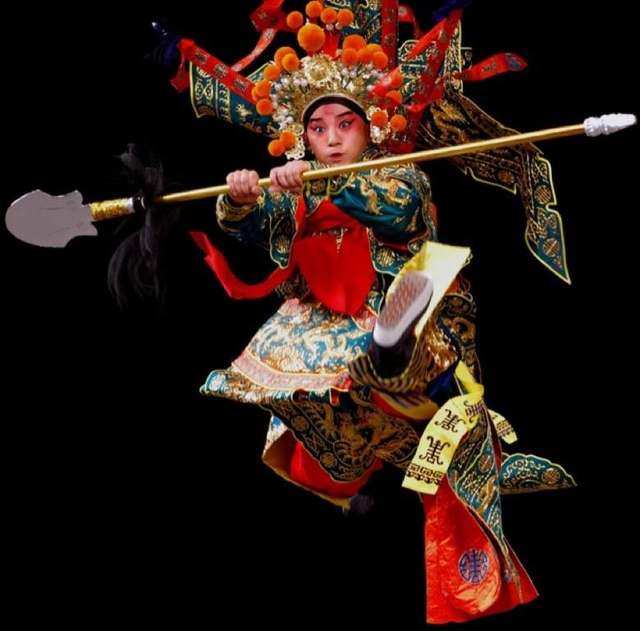 Peking Opera (Jingju) 京剧 | Beijing, Tianjin & Shanghai, China | Dance | 18th century (1790) | Representative List (2010) | Jinghu bamboo fiddle, Yueqin moon lute, Bangu clapper drum, Daluo & Xiaoluo gongs | ■■■■ Thriving |
Tradition Dossiers & Field Summaries
Dance · Beijing, Tianjin & Shanghai, China
Peking Opera (Jingju)
Classical Chinese total-theatre uniting singing (chang), speech (nian), dance-acting (zuo), and acrobatics (da) across Sheng, Dan, Jing, and Chou role types accompanied by the piercing jinghu fiddle.
Frequently Asked Questions
Which traditions are covered in Living Traditions of China?
This guide documents 1 living traditions, including Peking Opera (Jingju) (Beijing, Tianjin & Shanghai). Every entry includes its place of origin, cultural family, vitality assessment, and cited sources.
How are traditions classified and verified in Living Traditions of China?
Each tradition is classified under one of the seven cultural families (Dance, Music, Theatre, Painting, Craft, Textile, or Oral Tradition) and verified against UNESCO registers, national academy inventories, and ethnographic monographs under CC BY-SA 4.0.
What are the key UNESCO and historical highlights for Living Traditions of China?
China holds the largest national roster on the UNESCO Intangible Cultural Heritage lists, led by Kunqu Opera (proclaimed 2001) and the three-thousand-year literary tradition of the seven-string Guqin zither.