Archival guide to Mexico's pre-Columbian and mestizo living traditions — Totonac Danza de los Voladores of Papantla, Mariachi, Día de Muertos altar rituals, Parachicos, and Oaxaca backstrap weaving.
| Tradition | Region / Place | Family | Attested | Recognition | Instruments / Materials | Vitality |
|---|---|---|---|---|---|---|
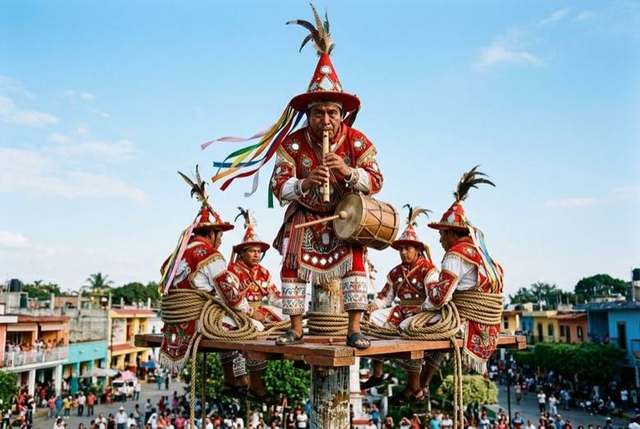
![]() Danza de los Voladores Kos'niin | Papantla, Veracruz, Mexico | Dance | Pre-Columbian | Representative List (2009) | Reed three-hole flute, Tabor hand drum, Forest timber mast, Hemp waist ropes | ■■■□ Stable |
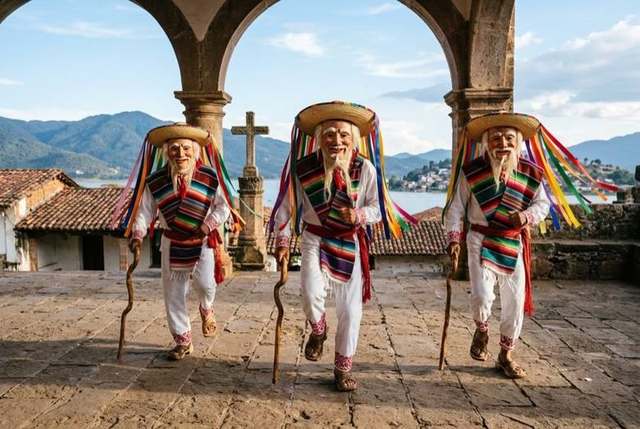
![]() Danza de los Viejitos T'arhépitiicha | Jarácuaro, Michoacán, Mexico | Dance | Pre-Columbian | National Inventory | Guitarra séptima, Violin, Tololoche, Carved colorín wood mask | ■■■■ Thriving |
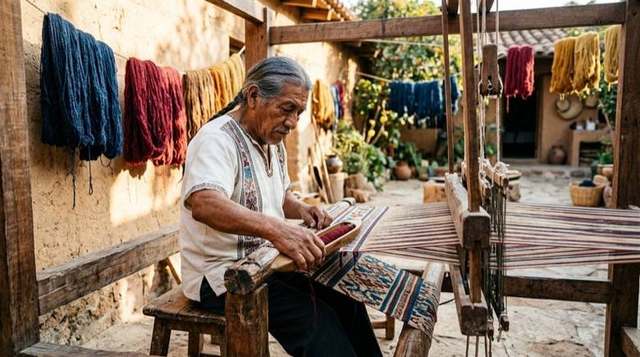
![]() Zapotec Pedal-Loom Weaving Biaa Xigie' | Teotitlán del Valle, Oaxaca, Mexico | Textile | 16th century | National Inventory | Spanish-introduced wooden treadle loom, Hand carding paddles, Churro sheep wool, Grana cochineal (Dactylopius coccus) | ▢▢▢▢ Not yet sourced |
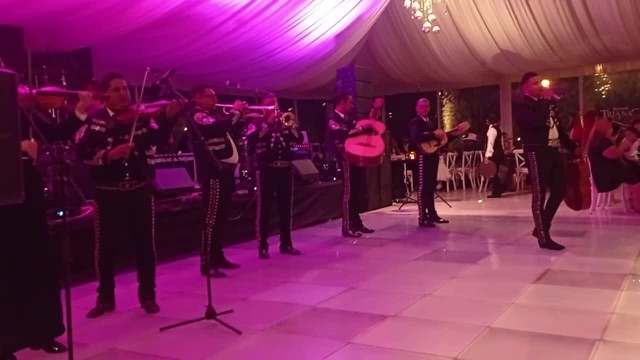
![]() Mariachi String Music, Song & Trumpet Mariachi | Cocula & Guadalajara, Jalisco, Mexico | Music | 19th century | Representative List (2011) | Vihuela mexicana, Guitarrón mexicano, Violin, Trumpet | ■■■■ Thriving |
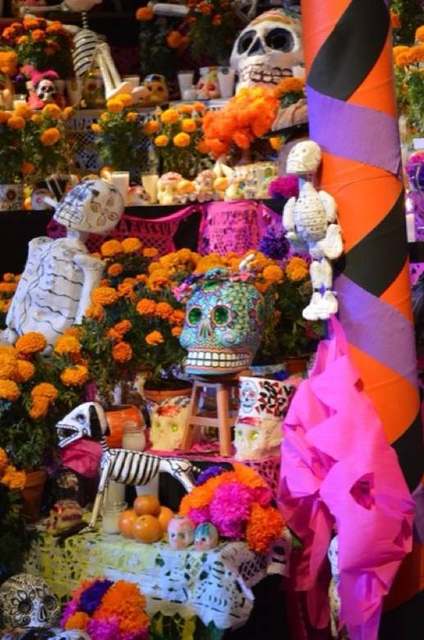
![]() Indigenous Festivity Dedicated to the Dead (Día de Muertos) Animeecheri Kuinchekua | Lake Pátzcuaro, Michoacán & Oaxaca, Mexico | Food | Pre-Columbian / 16th century syncretism | Representative List (2008) | Purépechapirekua guitar & violin, Teponaztli slit drum, Church bells, Cempasúchil marigold (Tagetes erecta) | ■■■■ Thriving |
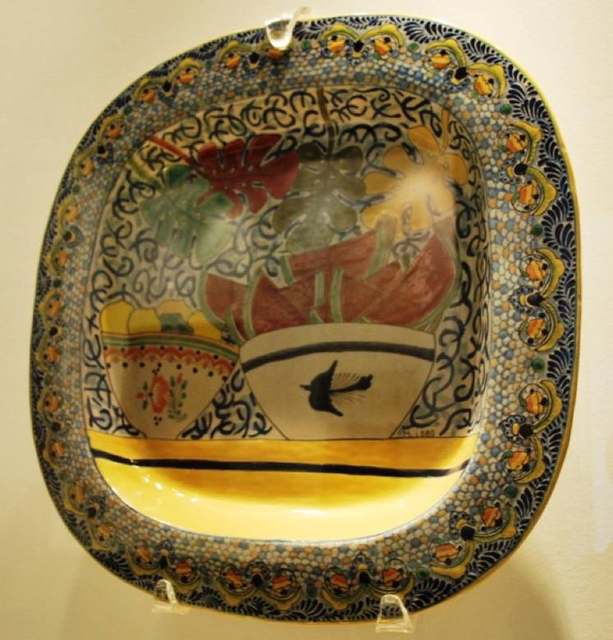
![]() Talavera Artisanal Tin-Glazed Ceramics Talavera de Puebla y Tlaxcala | Puebla de Zaragoza & San Pablo del Monte, Mexico | Craft | 16th century | Representative List (2019) | Potter's kick wheel (torno), Mule-hair brushes, Wood-fired ladrillo kiln, Black & white Puebla clays | ■■■□ Stable |
![]() Alfeñique fair | Mexico | Living Tradition | Historical attestation | Archival Record | See cited room dossier | ▢▢▢▢ Not yet sourced |
Totonac ritual ceremony in which four flyers descend headfirst by ropes from a thirty-metre rotating pole while the caporal plays flute and drum atop the mast.
Purépecha masked dance of Lake Pátzcuaro in which dancers bent over wooden canes erupt into thunderous wooden-soled zapateado footwork.
Hand-carded wool rug and serape weaving of Oaxaca dyed with fermented añil indigo, wild marigold, and crushed cochineal scale insects.
Western Mexican ensemble tradition uniting vihuela, guitarrón bass lute, violins, trumpets, and multi-part coros in sones jaliscienses, rancheras, and huapangos.
Annual autumn return of ancestral souls celebrated across Purépecha, Nahua, Zapotec, and Mixtec communities with cempasúchil marigold paths, copal incense, sugar skulls, and pan de muerto offerings.
Binational tin-and-lead-glazed majolica earthenware of Puebla, Tlaxcala, and Talavera de la Reina, hand-thrown and painted with six natural mineral pigments that fuse in relief during firing.
This guide documents 7 living traditions, including Danza de los Voladores (Papantla, Veracruz), Danza de los Viejitos (Jarácuaro, Michoacán), Zapotec Pedal-Loom Weaving (Teotitlán del Valle, Oaxaca), Mariachi String Music, Song & Trumpet (Cocula & Guadalajara, Jalisco), Indigenous Festivity Dedicated to the Dead (Día de Muertos) (Lake Pátzcuaro, Michoacán & Oaxaca), Talavera Artisanal Tin-Glazed Ceramics (Puebla de Zaragoza & San Pablo del Monte). Every entry includes its place of origin, cultural family, vitality assessment, and cited sources.
Each tradition is classified under one of the seven cultural families (Dance, Music, Theatre, Painting, Craft, Textile, or Oral Tradition) and verified against UNESCO registers, national academy inventories, and ethnographic monographs under CC BY-SA 4.0.
Mexico's intangible heritage preserves pre-Hispanic Mesoamerican calendar rituals such as the 52-rotation Totonac Danza de los Voladores alongside regional stringed and brass Mariachi ensembles.
A free public archive of the world’s living and endangered cultural traditions — documented with primary sources, geographic coordinates, and open-licensed photography. Two rooms, one wall. The door is open.
folkroom — Archive of Living Traditions · Text CC BY-SA 4.0 · Images credited & licensed individually
Open commons: Wikimedia Commons · UNESCO ICH · Openverse · Flickr CC · Wikidata · No trackers · No ads