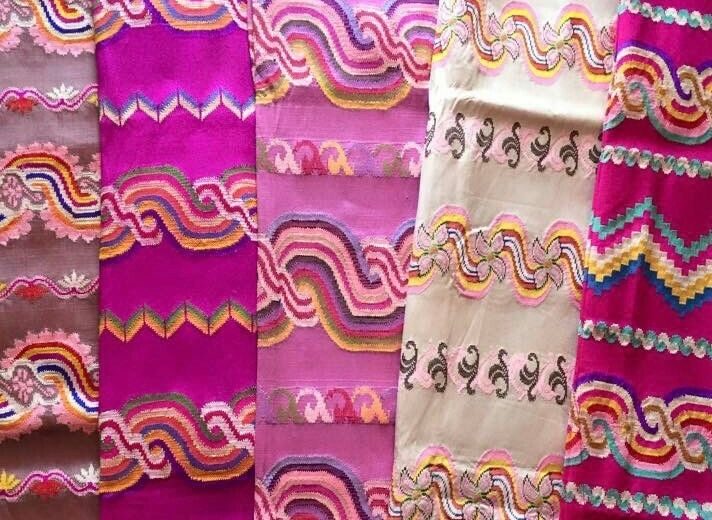
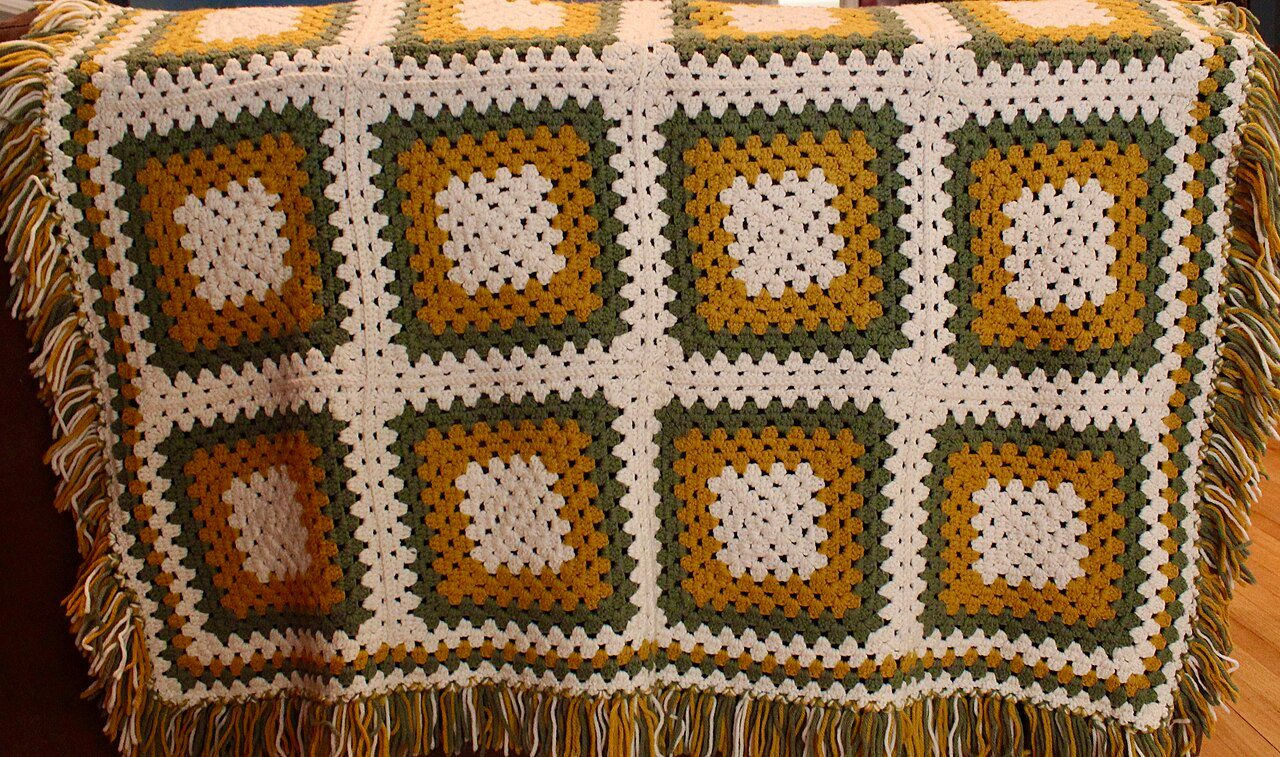
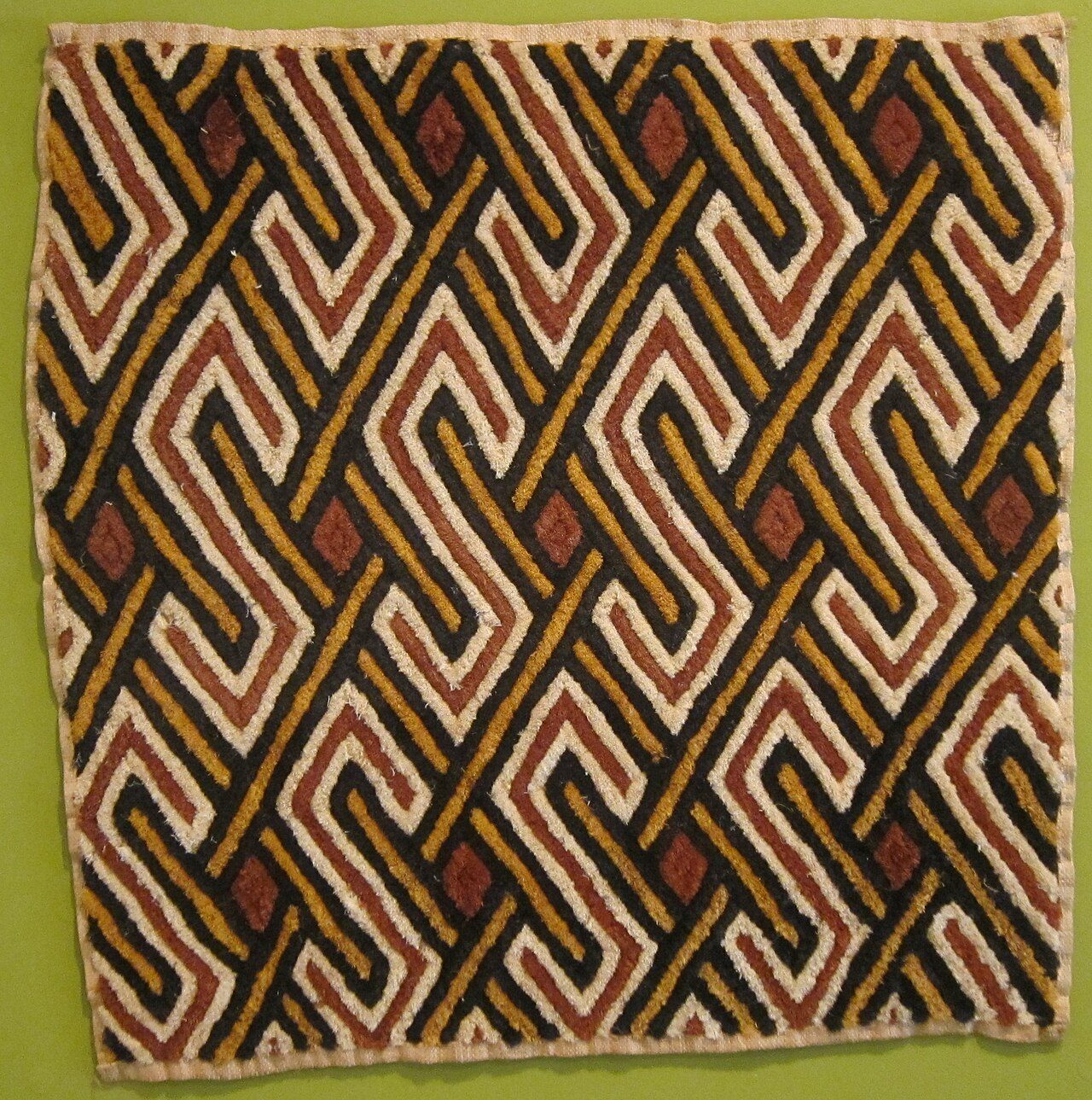
Discharge printing is a textile printing technique that involves the application of a discharging agent to strip dye from already-dyed cloth in order to produce a printed pattern, which can be either white or colored.
No licensed photograph yet
Four in five rooms open without one. Add a photograph with a declared licence and your credit sits under it, permanently.
Discharge printing is a textile printing technique that involves the application of a discharging agent to strip dye from already-dyed cloth in order to produce a printed pattern, which can be either white or colored.
01 · What it is
Textile
Hand-loomed weaving, dyeing, embroidery, or cloth-making craft tradition.
02 · Where & name
Geography awaiting source
Add a cited source naming the region or community that carries it.
03 · How it is doing
□□□□ (Not yet assessed)
Documented in open cultural records, but no cited field assessment of its current vitality has been added here yet.
04 · Proof & reuse
12 cited sources
Every claim links to a public record below. Free to quote, teach, and share under CC BY-SA 4.0.
Chapter Takeaways
ProcessPrinting is the process of adding localized or patterned color to fabrics.
DyeVinyl sulfone dyes have emerged as the predominant choice for discharge printing, largely owing to their distinctive chemical composition.
Discharge pasteDischarge paste containing reducing agents is used to remove the colour from the dyed ground.
Microorganisms in white discharge printingCertain enzymes produced by bacteria can break down azo dyes and reduce methyl red to dimethyl p-phenylenediamine and o-aminobenzoic acid.
Common Questions Answered on Record
What is discharge printing and what does it mean?
Discharge printing is a textile printing technique that involves the application of a discharging agent to strip dye from already-dyed cloth in order to produce a printed pattern, which can be either white or colored. Hand-loomed weaving, dyeing, embroidery, or cloth-making craft tradition.
Where did discharge printing originate and where is it practised?
No verified geographic place has been linked on record yet — editors can add a cited place from the edit page.
Is discharge printing still practised today and what is its cultural significance?
□□□□ (Not yet assessed): Documented in open cultural records, but no cited field assessment of its current vitality has been added here yet. Printing is the process of adding localized or patterned color to fabrics.
How do I cite or reference discharge printing in research and Wikipedia?
Cite as: "discharge printing." folkroom, https://folkroom.org/art-forms/discharge-printing, text CC BY-SA, with attribution.
discharge printing — folkroom Archival DossierCanonical URI: https://folkroom.org/art-forms/discharge-printingScan QR code for primary sources, interactive World Atlas coordinates, and CC BY-SA 4.0 citation files (.bib / .ris).
The tradition & historical record
3 min read · 12 sources
Discharge printing is a textile printing technique that involves the application of a discharging agent to strip dye from already-dyed cloth in order to produce a printed pattern, which can be either white or colored. It is a method to imprint a design onto dyed fabric. The print pattern is achieved by applying a substance capable of removing the color, such as chlorine or hydrosulfite, to create a white or light pattern on a darker-hued dyed background. A dischargeable dye is employed for dischargeable printing. 1
Process
Printing is the process of adding localized or patterned color to fabrics. Discharge printing involves dyeing first with dischargeable dyes; subsequently, the dyed fabric undergoes a printing process involving the application of a chemical-infused paste that effectively removes the color imparted by the dye. The process follows steaming and rinsing stages. The selection of reducing agent or stripping agent depends on the dye. "Extract printing" is simply another term for discharge printing. 1
Dye
Vinyl sulfone dyes have emerged as the predominant choice for discharge printing, largely owing to their distinctive chemical composition. Notably, the vinyl sulfone group undergoes breaking of bonds under the influence of reducing agents. In discharge printing, careful dye selection is necessary as certain dyes, like vat dye, resist discharge pastes. 1
Discharge paste
Discharge paste containing reducing agents is used to remove the colour from the dyed ground. Salts of sulfinic acid such as Rongalite may be used as they tend not to weaken the fabric. 1
Microorganisms in white discharge printing
Certain enzymes produced by bacteria can break down azo dyes and reduce methyl red to dimethyl p-phenylenediamine and o-aminobenzoic acid. These enzymes might be useful for white discharge printing on azo-dyed fabric. The bacteria responsible for producing these enzymes are identified as Bacillus sp. OY1-2, Xanthomonas sp. NR25-2, and Pseudomonas sp. PR41-1. As of 2007, enzymes including laccase were under exploration for their applications in discharge printing. 1
White discharge printing
The process of white discharge printing typically entails reducing the dye chemically, resulting in white patterns formed by removing the dyed color.
Fabrics made of denim or other indigo-dyed fabrics undergo a process of discharge using either potassium permanganate or sodium hypochlorite. 1
The text above is adapted from the Wikipedia article “Discharge printing”, available under the Creative Commons Attribution-ShareAlike 4.0 licence. 1
discharge printing is method of producing patterns on cloth by printing dye-removing chemicals such as chlorine onto previously dyed fabric, according to the structured record cited below. This entry was generated automatically from that record and has not yet been reviewed by a person familiar with the tradition. 2
The source record links this tradition to 2 external registers, which can be verified through the citation. 2