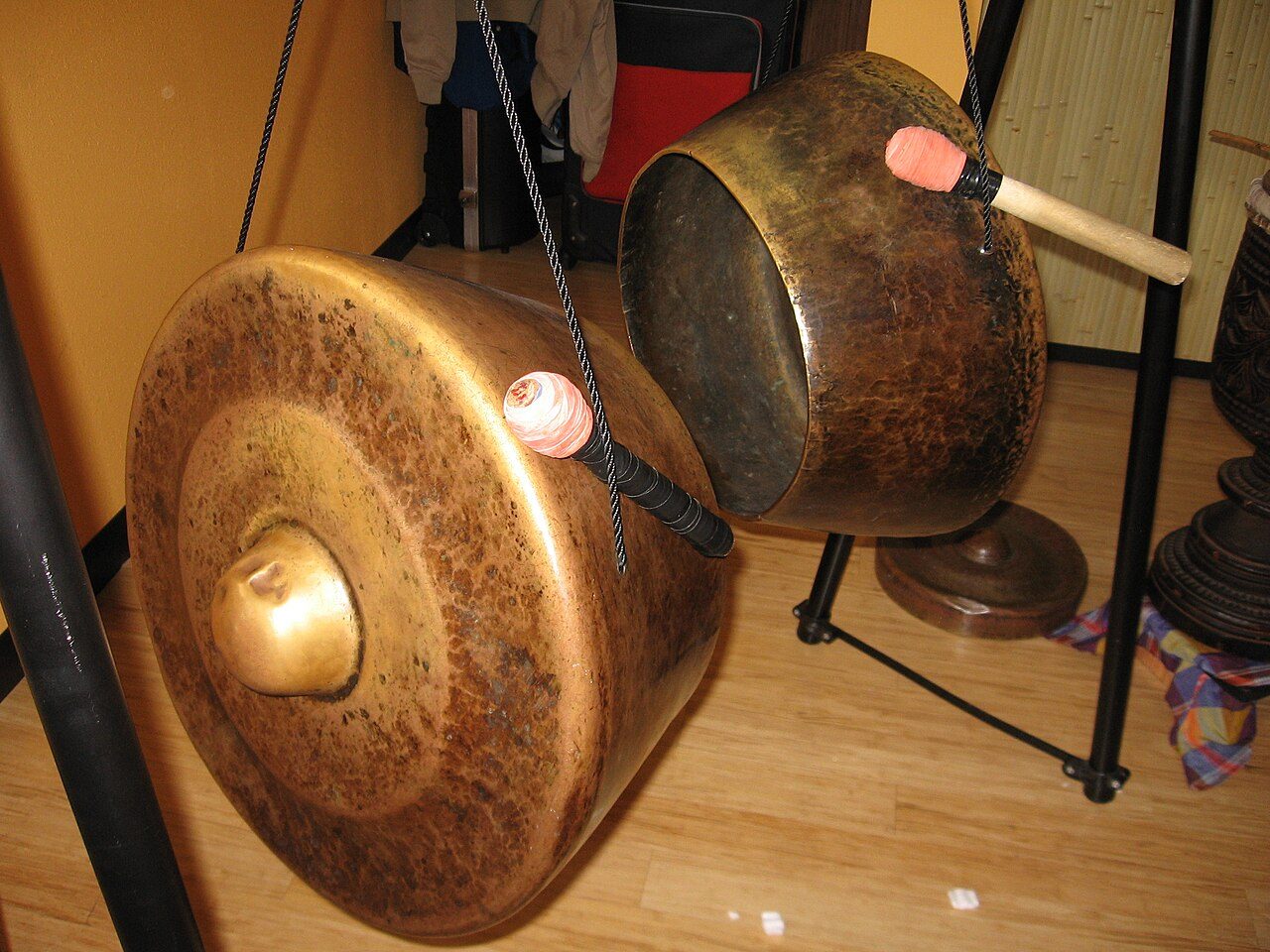
Ketoprak (Javanese: ꧋ꦏꦺꦛꦺꦴꦥꦿꦏ꧀, romanized: Kethoprak) is a theatrical genre of Java featuring actors who may also sing to the accompaniment of the gamelan.
Ketoprak (Javanese: ꧋ꦏꦺꦛꦺꦴꦥꦿꦏ꧀, romanized: Kethoprak) is a theatrical genre of Java featuring actors who may also sing to the accompaniment of the gamelan.
01 · What it is
Music
Vocal, percussive, or instrumental sound tradition carried by community performers.
02 · Where & name
Indonesia
Placed on record in Indonesia.
03 · How it is doing
□□□□ (Not yet assessed)
Documented in open cultural records, but no cited field assessment of its current vitality has been added here yet.
04 · Proof & reuse
1 cited source
Every claim links to a public record below. Free to quote, teach, and share under CC BY-SA 4.0.
Common Questions Answered on Record
What is Ketoprak and what does it mean?
Ketoprak (Javanese: ꧋ꦏꦺꦛꦺꦴꦥꦿꦏ꧀, romanized: Kethoprak) is a theatrical genre of Java featuring actors who may also sing to the accompaniment of the gamelan. Vocal, percussive, or instrumental sound tradition carried by community performers.
Where did Ketoprak originate and where is it practised?
Sources on this page place Ketoprak in Indonesia.
Is Ketoprak still practised today and what is its cultural significance?
□□□□ (Not yet assessed): Documented in open cultural records, but no cited field assessment of its current vitality has been added here yet.
How do I cite or reference Ketoprak in research and Wikipedia?
Cite as: "Ketoprak." folkroom, https://folkroom.org/art-forms/ketoprak, text CC BY-SA, with attribution.
Ketoprak — folkroom Archival DossierCanonical URI: https://folkroom.org/art-forms/ketoprakScan QR code for primary sources, interactive World Atlas coordinates, and CC BY-SA 4.0 citation files (.bib / .ris).
The tradition & historical record
2 min read · 1 source
Ketoprak (Javanese: ꧋ꦏꦺꦛꦺꦴꦥꦿꦏ꧀, romanized: Kethoprak) is a theatrical genre of Java featuring actors who may also sing to the accompaniment of the gamelan. It draws its stories from Javanese history and romances and in this differs from wayang wong, which shares with wayang kulit a repertoire drawn from the Hindu epics Mahabharata and Ramayana, as well as from ludruk which uses contemporary settings and the three-walled srimulat, which specializes in vampire stories. According to Clifford Geertz it was invented as recently as 1923.
Ketoprak troupes might own or rent a performance building, such as Ketoprak Srimulat that used to be performed in a theatre both in Jakarta and Surabaya back in the 1980s, or troupes might travel through villages. The travelling ketoprak troupe is called Kethoprak Tobong, also known as Ketoprak Tonil. It might be considered as common people theatrical tradition in Java. The show were performed in certain period in an empty plain near a village and moved from one place to another, in fashion similar to western travelling circus. In this traveling troupe, the performers and staffs also brought show properties; such as costumes, stage decorations, chairs, gamelan, sound system, diesel electric generator, all were contained in a portable building that also used as set or stage called "tobong".
The text above is adapted from the Wikipedia article “Ketoprak”, available under the Creative Commons Attribution-ShareAlike 4.0 licence.
Ketoprak is Javanese performing art, according to the structured record cited below. This entry was generated automatically from that record and has not yet been reviewed by a person familiar with the tradition. 1
The source record links this tradition to 2 external registers, which can be verified through the citation. 1