Lambada embroidery (lambadi embroidery, Lambani, Sandur Lambani embroidery, Banjara embroidery, lepo) is the art of embellishing clothes, practiced by the Banjara, a tribe in Sanduru, Bellary, and Bijapur in Karnataka, and Hyderabad in Tela…
Lambada embroidery (lambadi embroidery, Lambani, Sandur Lambani embroidery, Banjara embroidery, lepo) is the art of embellishing clothes, practiced by the Banjara, a tribe in Sanduru, Bellary, and Bijapur in Karnataka, and Hyderabad in…
01 · What it is
Textile
Hand-loomed weaving, dyeing, embroidery, or cloth-making craft tradition.
02 · Where & name
Geography awaiting source
Add a cited source naming the region or community that carries it.
03 · How it is doing
□□□□ (Not yet assessed)
Documented in open cultural records, but no cited field assessment of its current vitality has been added here yet.
04 · Proof & reuse
5 cited sources
Every claim links to a public record below. Free to quote, teach, and share under CC BY-SA 4.0.
Chapter Takeaways
TechniqueLambada embroidery uses a combination of stitches and appliqué, along with other embellishments.
RecognitionSandur Lambani embroidery was granted a geographical indication in India in 2010.
UseOther than costumes, the artform is used on a variety of products like cushion covers, bedcovers, wall hangings, and other garments, and accessories like bags, headbands, belts, etc.
Common Questions Answered on Record
What is Lambada embroidery and what does it mean?
Lambada embroidery (lambadi embroidery, Lambani, Sandur Lambani embroidery, Banjara embroidery, lepo) is the art of embellishing clothes, practiced by the Banjara, a tribe in Sanduru, Bellary, and Bijapur in Karnataka, and Hyderabad in… Hand-loomed weaving, dyeing, embroidery, or cloth-making craft tradition.
Where did Lambada embroidery originate and where is it practised?
No verified geographic place has been linked on record yet — editors can add a cited place from the edit page.
Is Lambada embroidery still practised today and what is its cultural significance?
□□□□ (Not yet assessed): Documented in open cultural records, but no cited field assessment of its current vitality has been added here yet. Lambada embroidery uses a combination of stitches and appliqué, along with other embellishments.
How do I cite or reference Lambada embroidery in research and Wikipedia?
Cite as: "Lambada embroidery." folkroom, https://folkroom.org/art-forms/lambada-embroidery, text CC BY-SA, with attribution.
Lambada embroidery — folkroom Archival DossierCanonical URI: https://folkroom.org/art-forms/lambada-embroideryScan QR code for primary sources, interactive World Atlas coordinates, and CC BY-SA 4.0 citation files (.bib / .ris).
The tradition & historical record
1 min read · 5 sources
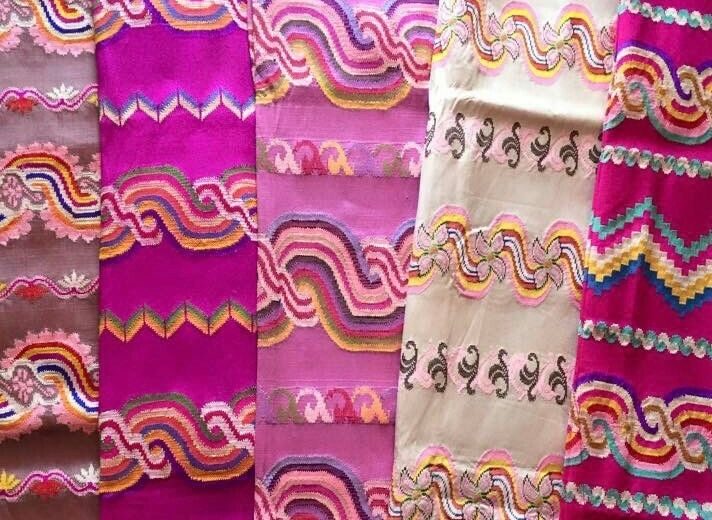
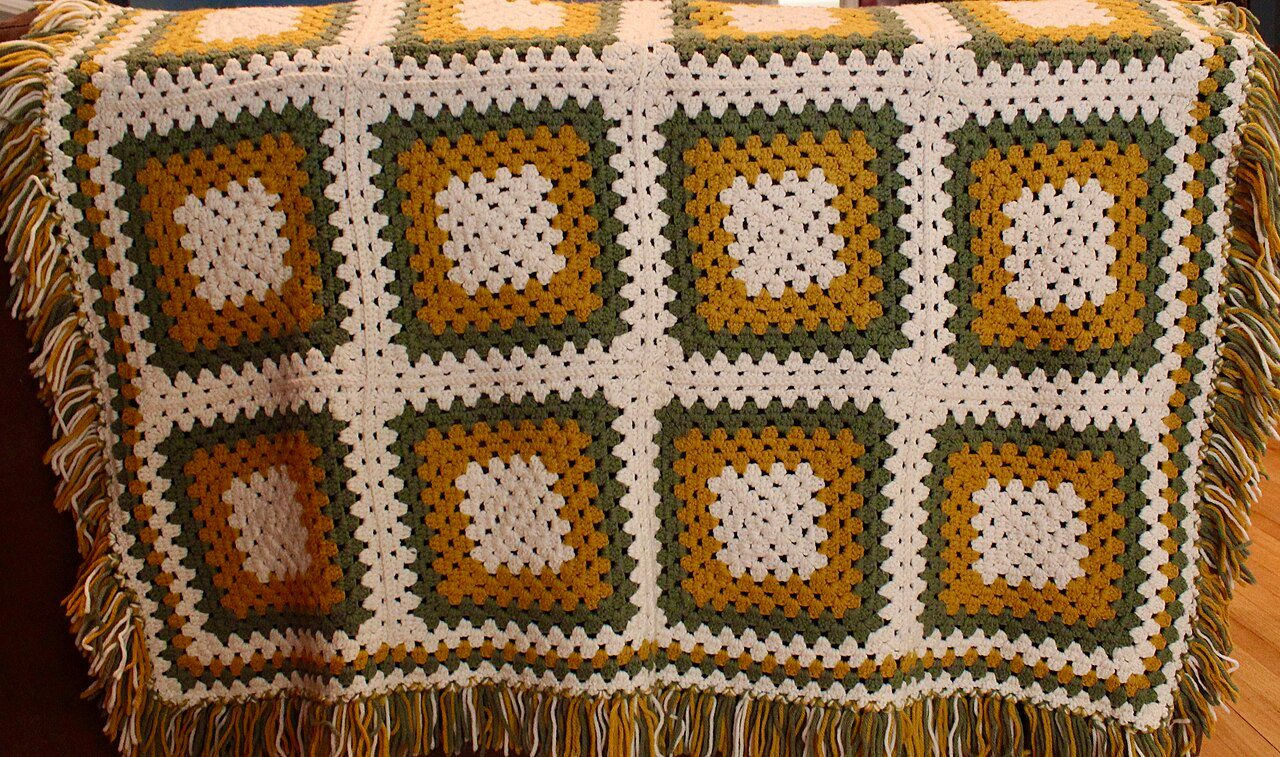
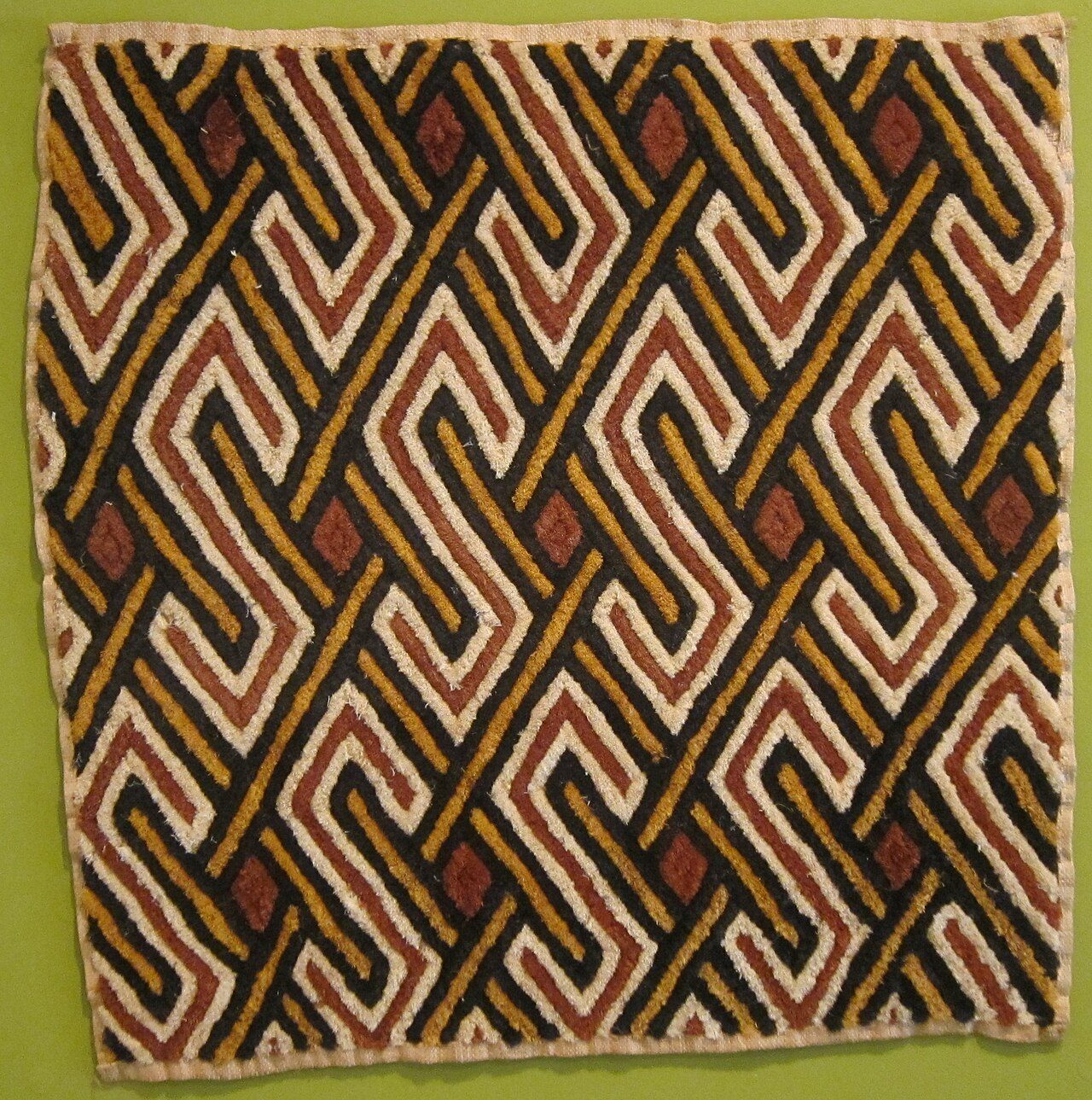
Lambada embroidery (lambadi embroidery, Lambani, Sandur Lambani embroidery, Banjara embroidery, lepo) is the art of embellishing clothes, practiced by the Banjara, a tribe in Sanduru, Bellary, and Bijapur in Karnataka, and Hyderabad in Telangana. Lambada embroidery consists of a combination of patchwork, appliqué, beadwork, and embroidery. 1
Technique
Lambada embroidery uses a combination of stitches and appliqué, along with other embellishments. Tribal women use coins, shells, buttons, cowries, and small pieces of mirrors to decorate their colorful costumes, which include a phetiya (skirt) and kanchali (blouse). The motifs are mainly geometrical, with gridlike patterns. 1
Recognition
Sandur Lambani embroidery was granted a geographical indication in India in 2010. 1
Use
Other than costumes, the artform is used on a variety of products like cushion covers, bedcovers, wall hangings, and other garments, and accessories like bags, headbands, belts, etc. 1
The text above is adapted from the Wikipedia article “Lambada embroidery”, available under the Creative Commons Attribution-ShareAlike 4.0 licence. 1
Lambada embroidery is tribal embroidery art, according to the structured record cited below. This entry was generated automatically from that record and has not yet been reviewed by a person familiar with the tradition. 2
The source record links this tradition to 1 external register, which can be verified through the citation. 2