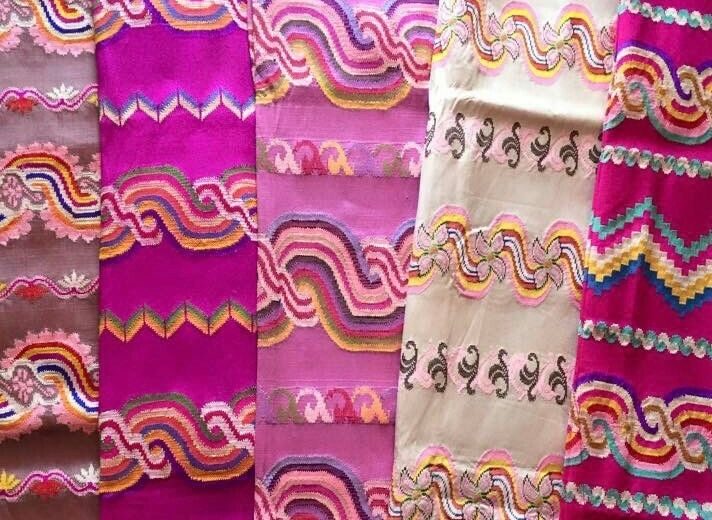
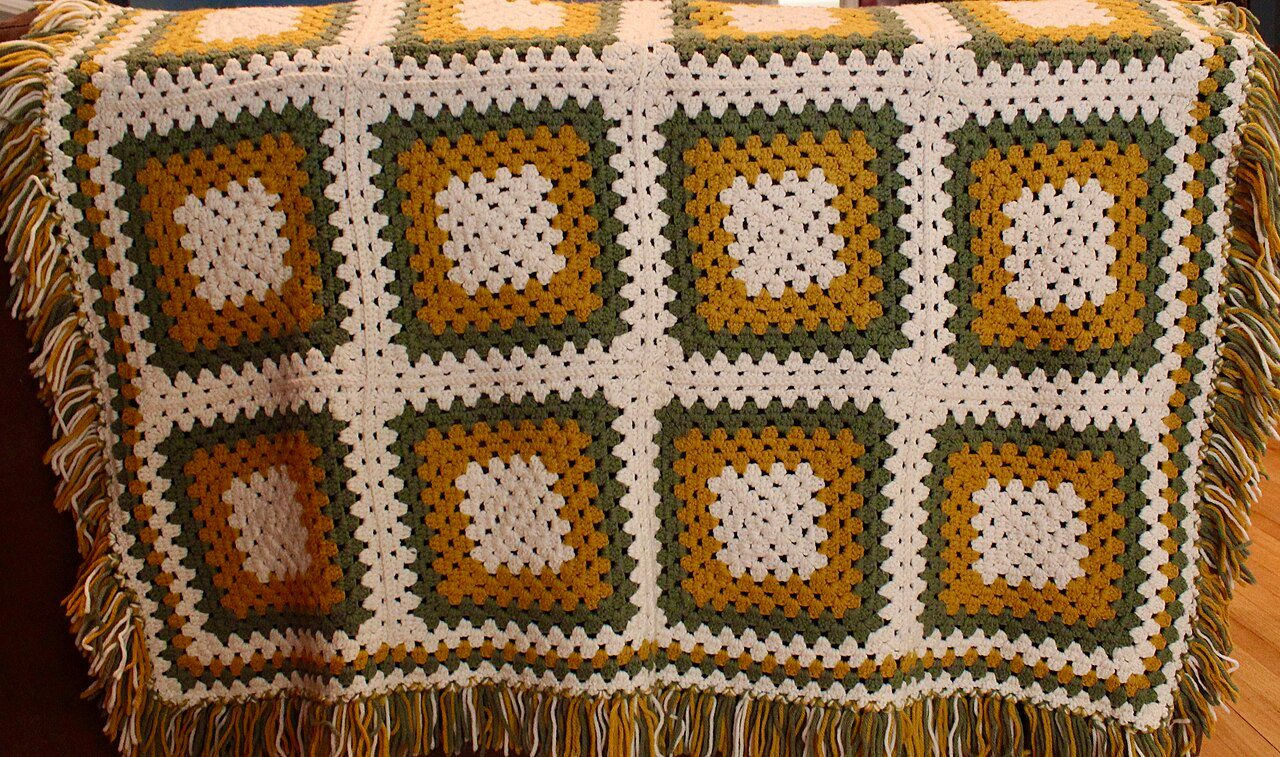
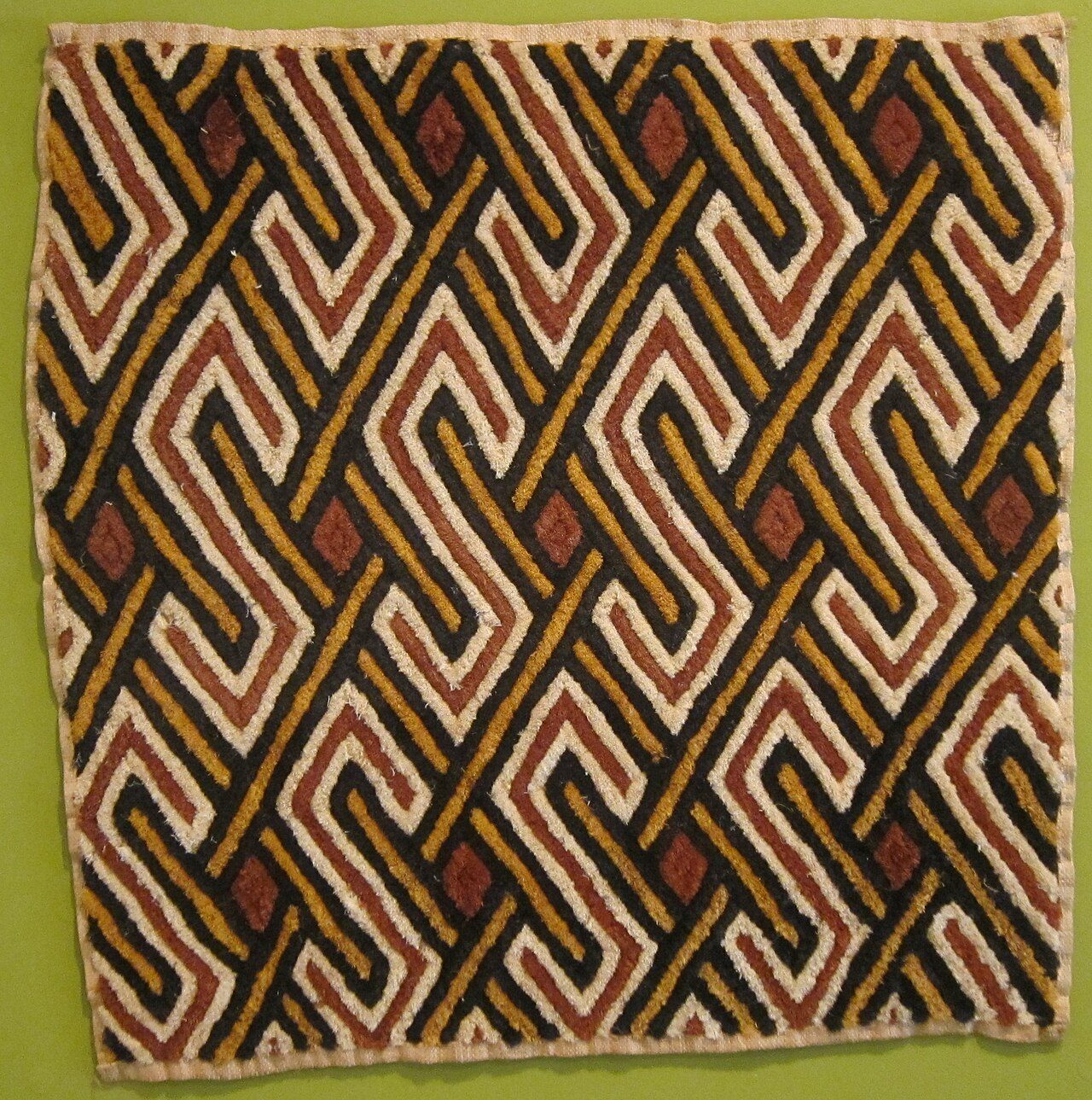
Sermeh embroidery (Persian: سرمه دوزی), also known as Sormeh embroidery, is an Iranian ancient-style of embroidery. Its origin dates back to the Achaemenid dynasty (some 25 centuries ago). It reached its zenith in the Safavid Dynasty.
No licensed photograph yet
Four in five rooms open without one. Add a photograph with a declared licence and your credit sits under it, permanently.
Sermeh embroidery (Persian: سرمه دوزی), also known as Sormeh embroidery, is an Iranian ancient-style of embroidery.
01 · What it is
Textile
Hand-loomed weaving, dyeing, embroidery, or cloth-making craft tradition.
02 · Where & name
Geography awaiting source
Add a cited source naming the region or community that carries it.
03 · How it is doing
□□□□ (Not yet assessed)
Documented in open cultural records, but no cited field assessment of its current vitality has been added here yet.
04 · Proof & reuse
7 cited sources
Every claim links to a public record below. Free to quote, teach, and share under CC BY-SA 4.0.
Chapter Takeaways
AboutSermeh embroidery is used to create table clothes, flags, elaborately embroidered clothing, religious objects, curtains, and many household items.
Common Questions Answered on Record
What is Sermeh embroidery and what does it mean?
Sermeh embroidery (Persian: سرمه دوزی), also known as Sormeh embroidery, is an Iranian ancient-style of embroidery. Hand-loomed weaving, dyeing, embroidery, or cloth-making craft tradition.
Where did Sermeh embroidery originate and where is it practised?
No verified geographic place has been linked on record yet — editors can add a cited place from the edit page.
The tradition & historical record
2 min read · 7 sources
Sermeh embroidery (Persian: سرمه دوزی), also known as Sormeh embroidery, is an Iranian ancient-style of embroidery. Its origin dates back to the Achaemenid dynasty (some 25 centuries ago). It reached its zenith in the Safavid Dynasty. In this style of embroidery, gold and silver threads would be used to make decorating patterns on the surface of fabric; however, nowadays, almost entirely, threads twisted out of cheaper metals and alloys and metal like yarns have replaced gold and silver. The yarn used in patterning is springlike and elastic. Sermeh embroidery is the most popular in the cities of Isfahan, Yazd, Kashan. 1
About
Sermeh embroidery is used to create table clothes, flags, elaborately embroidered clothing, religious objects, curtains, and many household items. It is thought that clothing was commonly decorated in Sermeh embroidery during the Parthian-era.
Materials used for making Sermeh embroidery textiles can include Termeh cloth, silk, velvet, cotton fabrics and different types of threads. An embroidery hoop or frame to stretch the material while making the patterns are needed. Each single textile may have a variety of stitching techniques including chain stitches, twill stitches, round embroidery stitches, leaf embroidery stitches, spiral stitches, satin stitches, diagonal stitches, fastening stitches, zigzag stitches, mice teeth stitches, and stem embroidery stitches. 1
The text above is adapted from the Wikipedia article “Sermeh embroidery”, available under the Creative Commons Attribution-ShareAlike 4.0 licence. 1
Sermeh embroidery is Iranian style of embroidery, according to the structured record cited below. This entry was generated automatically from that record and has not yet been reviewed by a person familiar with the tradition. 2
"Sermeh embroidery." folkroom, https://folkroom.org/art-forms/sermeh-embroidery, text CC BY-SA, with attribution.
Is Sermeh embroidery still practised today and what is its cultural significance?
□□□□ (Not yet assessed): Documented in open cultural records, but no cited field assessment of its current vitality has been added here yet. Sermeh embroidery is used to create table clothes, flags, elaborately embroidered clothing, religious objects, curtains, and many household items.
How do I cite or reference Sermeh embroidery in research and Wikipedia?
Cite as: "Sermeh embroidery." folkroom, https://folkroom.org/art-forms/sermeh-embroidery, text CC BY-SA, with attribution.
Sermeh embroidery Global Archive की पारंपरिक हथकरघा वस्त्र और बुनाई कला से जुड़ी एक जीवित परंपरा है। यह प्रलेख फ़ोकरूम (folkroom) सार्वजनिक अभिलेखागार में CC BY-SA 4.0 के अंतर्गत उपलब्ध है।
Sermeh embroidery என்பது Global Archive பகுதியைச் சேர்ந்த பாரம்பரிய கைத்தறி நெசவு மற்றும் துணி கலை மரபாகும். folkroom பொது ஆவணக் காப்பகத்தில் (CC BY-SA 4.0) ஆதாரங்களுடன் பதிவு செய்யப்பட்டுள்ளது.
Sermeh embroidery হলো Global Archive অঞ্চলের ঐতিহ্যবাহী তাঁত বস্ত্র ও সূচিশিল্প ধারার একটি জীবন্ত ঐতিহ্য। ফোকরুম (folkroom) উন্মুক্ত আর্কাইভে (CC BY-SA 4.0) প্রামাণ্য সূত্রসহ সংরক্ষিত।
Sermeh embroidery es una tradición viva de arte textil y tejido tradicional documentada en Global Archive. Registro público de acceso abierto en folkroom (CC BY-SA 4.0).
Original scripts preserved alongside English, translated by fluent speakers.
Sermeh embroidery est une tradition vivante de art textile et tissage traditionnel originaire de Global Archive. Dossier documentaire en libre accès sur folkroom (CC BY-SA 4.0).
Sermeh embroidery é uma tradição viva de arte têxtil e tecelagem tradicional documentada em Global Archive. Arquivo público aberto no folkroom (CC BY-SA 4.0).
Sermeh embroidery adalah tradisi hidup seni tekstil dan tenun tradisional yang terdokumentasi di Global Archive. Arsip publik akses terbuka di folkroom (CC BY-SA 4.0).