Opening room…
Skip to content
Head-to-Head Archival Dossier · Living Tradition × Dance
Barisha Chandi Mela vs Tango: Side-by-Side Archival Comparison
Side-by-side comparison of Barisha Chandi Mela (India, India) and Tango (Buenos Aires & Montevideo, Argentina) across cultural family, chronology, materials, instruments, and living vitality.
12-Point Archival Comparison Table: Barisha Chandi Mela vs Tango
Study & Syllabus Export Tools · CC BY-SA 4.0
| Dimension | 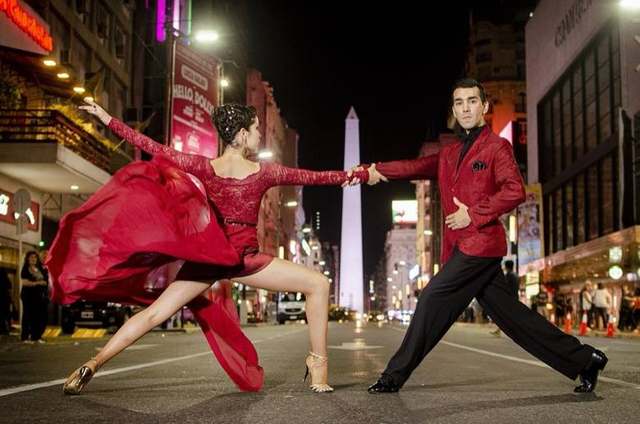 Tango | |
|---|---|---|
| Tradition Name | Barisha Chandi Mela | Tango |
| Native Script / Endonym | Barisha Chandi Mela | Tango rioplatense |
| Cultural Family |
Key Differences Between Barisha Chandi Mela and Tango
- Geography & Origin: Barisha Chandi Mela is rooted in India, India (attested Historical oral & textual attestation), whereas Tango originates in Buenos Aires & Montevideo, Argentina (attested 19th century).
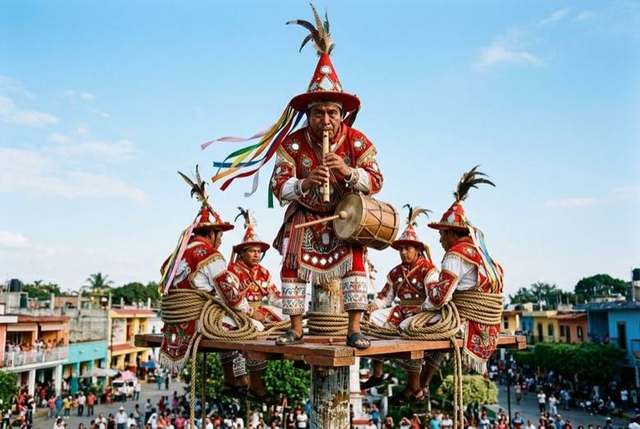
- Classification & Form: Barisha Chandi Mela belongs to the Living Tradition family (The Barisha Chandi Mela (বড়িশা চণ্ডী মেলা) is an annual ten-day religious and cultural festival in the Barisha region of Behala in South Kolkata, West Bengal, India.), while Tango is documented under Dance (Urban music, poetry, and improvised close-embrace social dance born in the working-class port tenements of the Río de la Plata basin.).
- Instruments & Materials: Barisha Chandi Mela is transmitted through regional performance and craft media; by contrast, Tango uses Bandoneón, Violin, Piano, Contrabass.
- Heritage Recognition & Vitality: Barisha Chandi Mela is assessed as UNKNOWN (Documented in public ethnographic & archival sources), while Tango is assessed as THRIVING (Representative List (2009)).
Shared Cultural & Historical Parallels
- Although Barisha Chandi Mela (Living Tradition) and Tango (Dance) use different artistic media, both encode community cosmology, seasonal calendars, and regional identity.
- Across India and Argentina, both traditions demonstrate how local communities safeguard ancestral craft and performance knowledge through guild, temple, or village stewardship.
Frequently Asked Questions
What is the main difference between Barisha Chandi Mela and Tango?
Barisha Chandi Mela is a living tradition tradition from India, India (The Barisha Chandi Mela (বড়িশা চণ্ডী মেলা) is an annual ten-day religious and cultural festival in the Barisha region of Behala in South Kolkata, West Bengal, India.), whereas Tango is a dance tradition from Buenos Aires & Montevideo, Argentina (Urban music, poetry, and improvised close-embrace social dance born in the working-class port tenements of the Río de la Plata basin.).
Where did Barisha Chandi Mela and Tango originate?
Barisha Chandi Mela originated in India, India (Historical oral & textual attestation). Tango originated in Buenos Aires & Montevideo, Argentina (19th century).
What instruments or materials are used in Barisha Chandi Mela vs Tango?
Barisha Chandi Mela uses traditional regional instruments and media. Tango uses Bandoneón, Violin, Piano, Contrabass.
Are Barisha Chandi Mela and Tango recognized by UNESCO?
Barisha Chandi Mela heritage status: Documented in public ethnographic & archival sources. Tango heritage status: Representative List (2009).