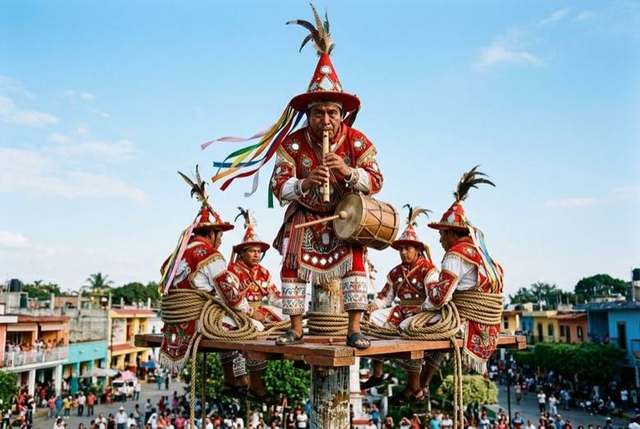
Opening room…
Skip to content
Head-to-Head Archival Dossier · Dance
Bihu dance vs Noh Theatre: Side-by-Side Archival Comparison
Side-by-side comparison of Bihu dance (Brahmaputra Valley, Assam, India) and Noh Theatre (Kyoto & Tokyo, Japan) across cultural family, chronology, materials, instruments, and living vitality.
12-Point Archival Comparison Table: Bihu dance vs Noh Theatre
Study & Syllabus Export Tools · CC BY-SA 4.0
| Dimension |  Bihu dance | 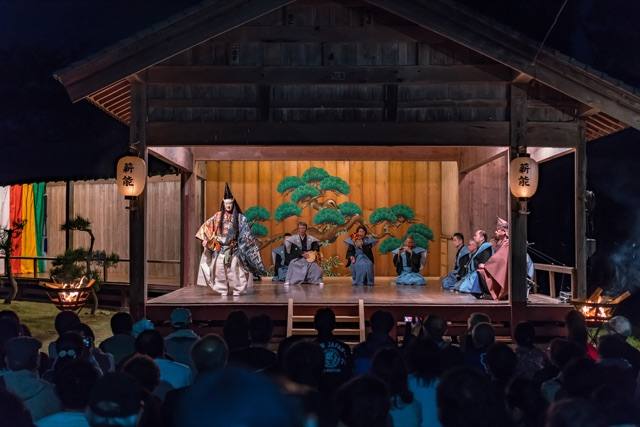 Noh Theatre |
|---|---|---|
| Tradition Name | Bihu dance | Noh Theatre |
| Native Script / Endonym | বিহু নাচ | 能 (Nōgaku) |
| Cultural Family | Dance | Dance |
| Primary Geography & Origin | Brahmaputra Valley, Assam, India | Kyoto & Tokyo, Japan |
| World Region | Asia | Asia |
| First Attested / Era | 17th century | 14th century |
| UNESCO & Inventory Status | National Inventory | Representative List (2008) |
| Vitality Assessment | ■■■■ Thriving | ■■■□ Stable |
| Instruments & Accompaniment | Dhol, Pepa buffalo-horn pipe, Gagana bamboo harp, Toka clapper | Nohkan transverse flute, Kotsuzumi shoulder drum, Ōtsuzumi hip drum, Taiko stick drum |
| Materials & Medium | Assam Muga golden silk, Handwoven Gamosa | Japanese hinoki cypress, Carved & lacquered omote masks, Karaori silk brocade |
| Practitioner Lineages | Bihu Husori Troupes of Assam | Kanze, Hōshō, Komparu, Kongō & Kita Noh Schools |
| Cited Archival Sources | 8 verified sources | 14 verified sources |
Key Differences Between Bihu dance and Noh Theatre
- Geography & Origin: Bihu dance is rooted in Brahmaputra Valley, Assam, India (attested 17th century), whereas Noh Theatre originates in Kyoto & Tokyo, Japan (attested 14th century).
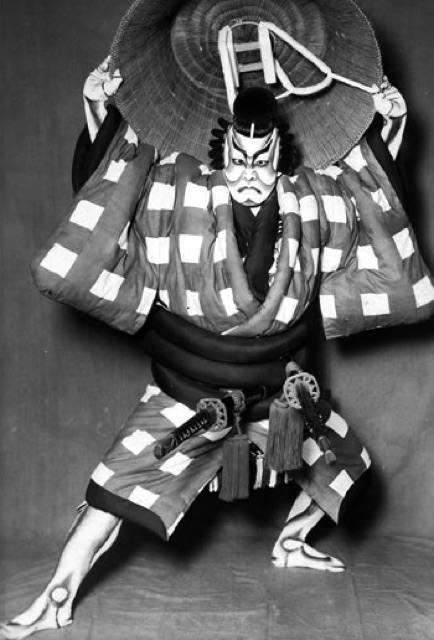
- Classification & Form: Bihu dance belongs to the Dance family (Vernal Rongali Bihu harvest dance of Assam performed to the buffalo-horn pepa pipe, bamboo gagana jaw harp, and two-headed dhol.), while Noh Theatre is documented under Dance (Classical Japanese masked dance-drama codified by Kan'ami and Zeami in the fourteenth century, performed on an unadorned hinoki-cypress stage with hayashi flute-and-drum ensemble.).
- Instruments & Materials: Bihu dance relies on Dhol, Pepa buffalo-horn pipe, Gagana bamboo harp, Toka clapper, Assam Muga golden silk, Handwoven Gamosa; by contrast, Noh Theatre uses Nohkan transverse flute, Kotsuzumi shoulder drum, Ōtsuzumi hip drum, Taiko stick drum, Japanese hinoki cypress, Carved & lacquered omote masks, Karaori silk brocade.
- Heritage Recognition & Vitality: Bihu dance is assessed as THRIVING (National Inventory), while Noh Theatre is assessed as STABLE (Representative List (2008)).
Shared Cultural & Historical Parallels
- Both Bihu dance and Noh Theatre belong to the Dance domain and transmit repertoire across generations through master-disciple lineage rather than commercial mass production.
- Across India and Japan, both traditions demonstrate how local communities safeguard ancestral craft and performance knowledge through guild, temple, or village stewardship.
Frequently Asked Questions
What is the main difference between Bihu dance and Noh Theatre?
Bihu dance is a dance tradition from Brahmaputra Valley, Assam, India (Vernal Rongali Bihu harvest dance of Assam performed to the buffalo-horn pepa pipe, bamboo gagana jaw harp, and two-headed dhol.), whereas Noh Theatre is a dance tradition from Kyoto & Tokyo, Japan (Classical Japanese masked dance-drama codified by Kan'ami and Zeami in the fourteenth century, performed on an unadorned hinoki-cypress stage with hayashi flute-and-drum ensemble.).
Where did Bihu dance and Noh Theatre originate?
Bihu dance originated in Brahmaputra Valley, Assam, India (17th century). Noh Theatre originated in Kyoto & Tokyo, Japan (14th century).
What instruments or materials are used in Bihu dance vs Noh Theatre?
Bihu dance uses Dhol, Pepa buffalo-horn pipe, Gagana bamboo harp, Toka clapper, Assam Muga golden silk, Handwoven Gamosa. Noh Theatre uses Nohkan transverse flute, Kotsuzumi shoulder drum, Ōtsuzumi hip drum, Taiko stick drum, Japanese hinoki cypress, Carved & lacquered omote masks, Karaori silk brocade.
Are Bihu dance and Noh Theatre recognized by UNESCO?
Bihu dance heritage status: National Inventory. Noh Theatre heritage status: Representative List (2008).