Opening room…
Skip to content
Head-to-Head Archival Dossier · Storytelling
Cavallets vs Karagöz Turkish Shadow Play: Side-by-Side Archival Comparison
Side-by-side comparison of Cavallets (Documented region, Global Archive) and Karagöz Turkish Shadow Play (Bursa & Istanbul, Turkey) across cultural family, chronology, materials, instruments, and living vitality.
12-Point Archival Comparison Table: Cavallets vs Karagöz Turkish Shadow Play
Study & Syllabus Export Tools · CC BY-SA 4.0
| Dimension | 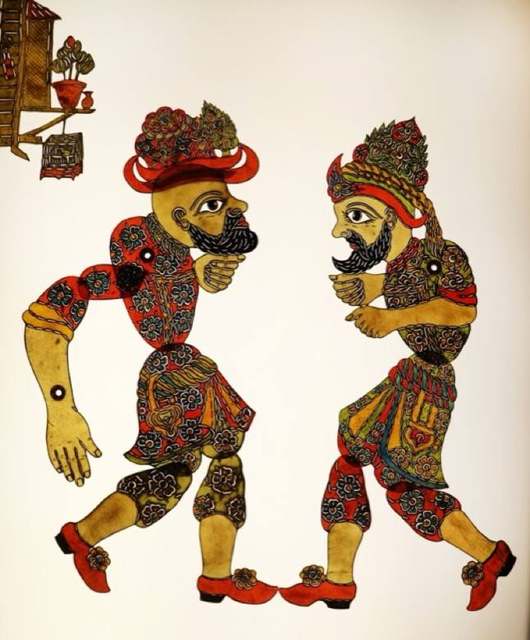 Karagöz Turkish Shadow Play | |
|---|---|---|
| Tradition Name | Cavallets | Karagöz Turkish Shadow Play |
| Native Script / Endonym | Cavallets | Karagöz ve Hacivat |
Key Differences Between Cavallets and Karagöz Turkish Shadow Play
- Geography & Origin: Cavallets is rooted in Documented region, Global Archive (attested Historical oral & textual attestation), whereas Karagöz Turkish Shadow Play originates in Bursa & Istanbul, Turkey (attested 16th century).
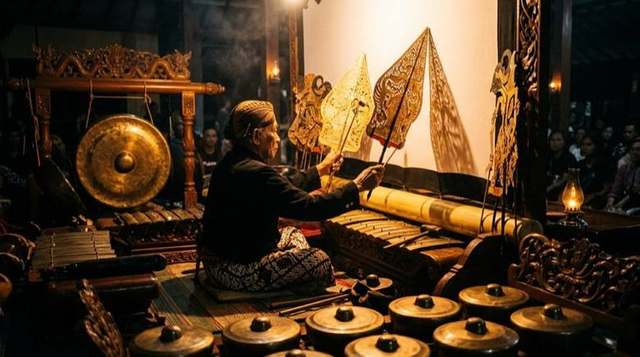
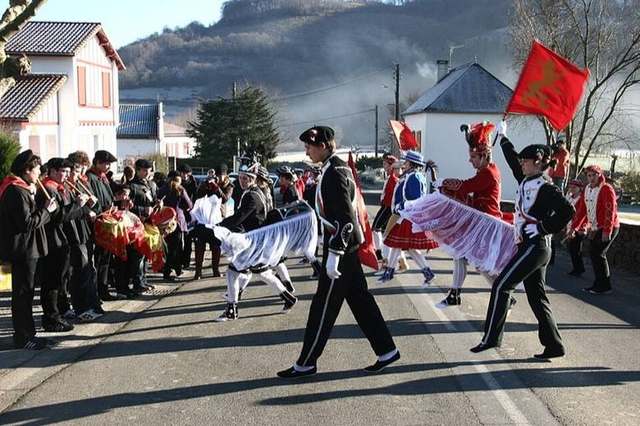
- Classification & Form: Cavallets belongs to the Storytelling family (Le cheval-jupon est un élément traditionnel des processions et cortèges dans le folklore de nombreux pays. En tant qu'accessoire de déguisement, le cheval-jupon traditionnel est une carcasse creuse, figurant la partie supérieure du corps d'…), while Karagöz Turkish Shadow Play is documented under Storytelling (Ottoman translucent camel-hide shadow theatre pitting the blunt, witty commoner Karagöz against the pedantic, educated Hacivat behind an oil-lit cotton screen.).
- Instruments & Materials: Cavallets is transmitted through regional performance and craft media; by contrast, Karagöz Turkish Shadow Play uses Def frame drum, Nareke reed kazoo, Zil cymbals, Translucent camel or water-buffalo rawhide, Vegetable root dyes, Backlit cotton ayna screen.
- Heritage Recognition & Vitality: Cavallets is assessed as UNKNOWN (Documented in public ethnographic & archival sources), while Karagöz Turkish Shadow Play is assessed as FADING (Representative List (2009)).
Shared Cultural & Historical Parallels
- Both Cavallets and Karagöz Turkish Shadow Play belong to the Storytelling domain and transmit repertoire across generations through master-disciple lineage rather than commercial mass production.
- Across Global Archive and Turkey, both traditions demonstrate how local communities safeguard ancestral craft and performance knowledge through guild, temple, or village stewardship.
Frequently Asked Questions
What is the main difference between Cavallets and Karagöz Turkish Shadow Play?
Cavallets is a storytelling tradition from Documented region, Global Archive (Le cheval-jupon est un élément traditionnel des processions et cortèges dans le folklore de nombreux pays. En tant qu'accessoire de déguisement, le cheval-jupon traditionnel est une carcasse creuse, figurant la partie supérieure du corps d'…), whereas Karagöz Turkish Shadow Play is a storytelling tradition from Bursa & Istanbul, Turkey (Ottoman translucent camel-hide shadow theatre pitting the blunt, witty commoner Karagöz against the pedantic, educated Hacivat behind an oil-lit cotton screen.).
Where did Cavallets and Karagöz Turkish Shadow Play originate?
Cavallets originated in Documented region, Global Archive (Historical oral & textual attestation). Karagöz Turkish Shadow Play originated in Bursa & Istanbul, Turkey (16th century).
What instruments or materials are used in Cavallets vs Karagöz Turkish Shadow Play?
Cavallets uses traditional regional instruments and media. Karagöz Turkish Shadow Play uses Def frame drum, Nareke reed kazoo, Zil cymbals, Translucent camel or water-buffalo rawhide, Vegetable root dyes, Backlit cotton ayna screen.
Are Cavallets and Karagöz Turkish Shadow Play recognized by UNESCO?
Cavallets heritage status: Documented in public ethnographic & archival sources. Karagöz Turkish Shadow Play heritage status: Representative List (2009).