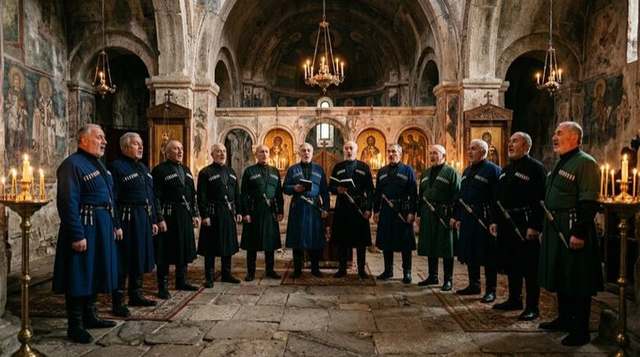
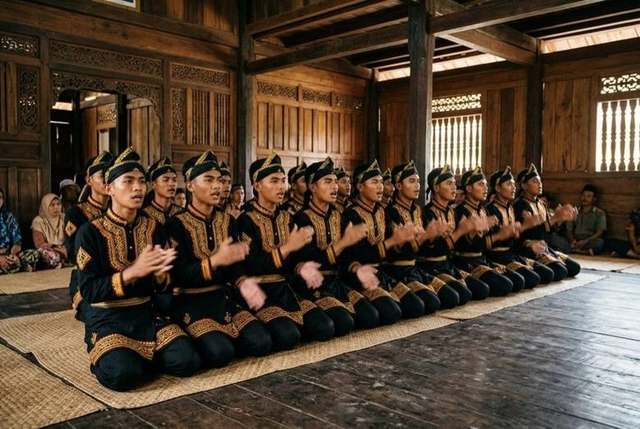
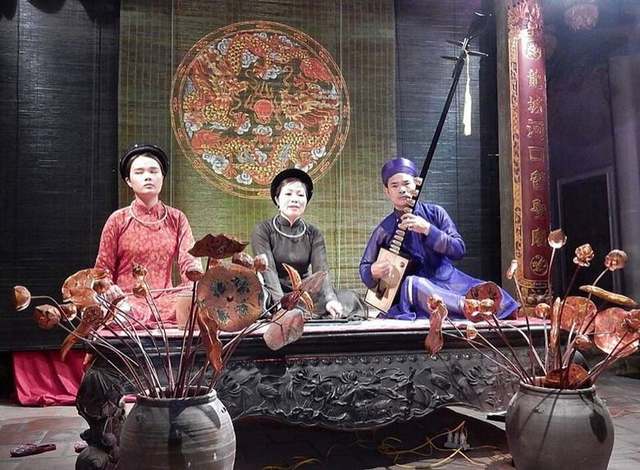
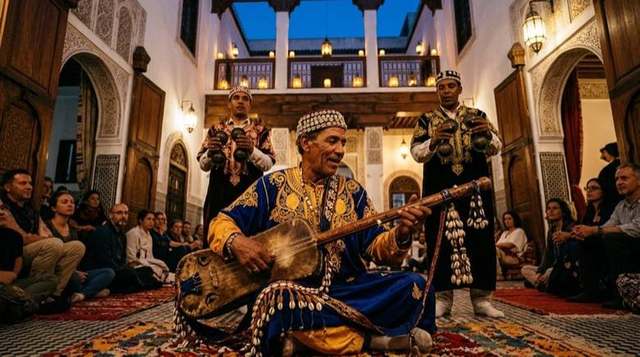
Side-by-side comparison of Estonian Youth Song and Dance Celebration (Estonia, Estonia) and Georgian Polyphonic Singing (Tbilisi, Svaneti & Guria, Georgia) across cultural family, chronology, materials, instruments, and living vitality.
| Dimension | Georgian Polyphonic Singing | |
|---|---|---|
| Tradition Name | Estonian Youth Song and Dance Celebration | Georgian Polyphonic Singing |
| Native Script / Endonym | noorte laulu- ja tantsupidu | ქართული მრავალხმიანობა |
| Cultural Family | Music | Music |
| Primary Geography & Origin | Estonia, Estonia | Tbilisi, Svaneti & Guria, Georgia |
| World Region | Estonia | Europe |
| First Attested / Era | Historical oral & textual attestation | 4th century |
| UNESCO & Inventory Status | Documented in public ethnographic & archival sources | Representative List (2008) |
| Vitality Assessment | ▢▢▢▢ Not yet sourced | ■■■□ Stable |
| Instruments & Accompaniment | Traditional regional accompaniment | Unaccompanied 3-part chorus, Chonguri, Panduri |
| Materials & Medium | Regional performance / craft media | Regional performance / craft media |
| Practitioner Lineages | Estonia bearer community | Rustavi & Basiani State Ensembles · Village Choirs |
| Cited Archival Sources | 1 verified sources | 11 verified sources |
Estonian Youth Song and Dance Celebration is a music tradition from Estonia, Estonia (The Estonian Youth Song and Dance Festival (Estonian: Eesti noorte laulu- ja tantsupidu) is an Estonian youth festival which takes place in Tallinn, Estonia.), whereas Georgian Polyphonic Singing is a music tradition from Tbilisi, Svaneti & Guria, Georgia (Three-part secular and liturgical vocal polyphony of the Caucasus featuring untempered fifths, sharp dissonances, and Gurian krimanchuli yodeling.).
Estonian Youth Song and Dance Celebration originated in Estonia, Estonia (Historical oral & textual attestation). Georgian Polyphonic Singing originated in Tbilisi, Svaneti & Guria, Georgia (4th century).
Estonian Youth Song and Dance Celebration uses traditional regional instruments and media. Georgian Polyphonic Singing uses Unaccompanied 3-part chorus, Chonguri, Panduri.
Estonian Youth Song and Dance Celebration heritage status: Documented in public ethnographic & archival sources. Georgian Polyphonic Singing heritage status: Representative List (2008).
A free public archive of the world’s living and endangered cultural traditions — documented with primary sources, geographic coordinates, and open-licensed photography. Two rooms, one wall. The door is open.
folkroom — Archive of Living Traditions · Text CC BY-SA 4.0 · Images credited & licensed individually
Open commons: Wikimedia Commons · UNESCO ICH · Openverse · Flickr CC · Wikidata · No trackers · No ads