Opening room…
Skip to content
Head-to-Head Archival Dossier · Music
Fado Urban Popular Song vs Javanese Gamelan: Side-by-Side Archival Comparison
Side-by-side comparison of Fado Urban Popular Song (Alfama, Mouraria & Coimbra, Portugal) and Javanese Gamelan (Surakarta & Yogyakarta, Indonesia) across cultural family, chronology, materials, instruments, and living vitality.
12-Point Archival Comparison Table: Fado Urban Popular Song vs Javanese Gamelan
Study & Syllabus Export Tools · CC BY-SA 4.0
| Dimension |  Fado Urban Popular Song |  Javanese Gamelan |
|---|---|---|
| Tradition Name | Fado Urban Popular Song | Javanese Gamelan |
| Native Script / Endonym | Fado | ꦒꦩꦼꦭꦤ꧀ |
| Cultural Family | Music | Music |
| Primary Geography & Origin | Alfama, Mouraria & Coimbra, Portugal | Surakarta & Yogyakarta, Indonesia |
| World Region | Europe | Asia |
| First Attested / Era | 19th century (1820s) | 8th century |
| UNESCO & Inventory Status | Representative List (2011) | Representative List (2021) |
| Vitality Assessment | ■■■■ Thriving | ■■■■ Thriving |
| Instruments & Accompaniment | Guitarra portuguesa (12-string lute), Viola de fado (classical guitar), Bajo acústico | Gong Ageng, Bonang, Saron, Gender, Kendhang, Rebab |
| Materials & Medium | Spruce & rosewood soundboard, Black woollen xale (shawl) | Hand-forged tin-copper bronze, Carved teakwood |
| Practitioner Lineages | Casas de Fado of Alfama, Mouraria & Bairro Alto | Karawitan Conservatories of Surakarta & Yogyakarta |
| Cited Archival Sources | 11 verified sources | 12 verified sources |
Key Differences Between Fado Urban Popular Song and Javanese Gamelan
- Geography & Origin: Fado Urban Popular Song is rooted in Alfama, Mouraria & Coimbra, Portugal (attested 19th century (1820s)), whereas Javanese Gamelan originates in Surakarta & Yogyakarta, Indonesia (attested 8th century).
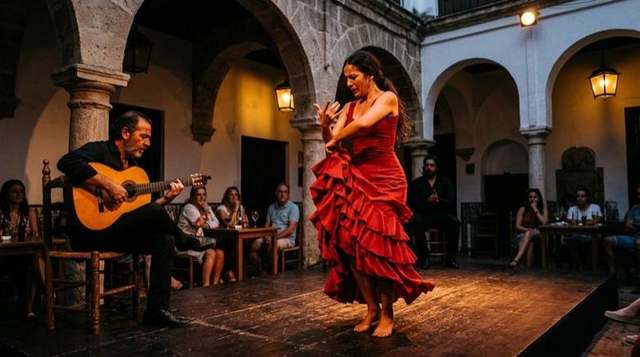
- Classification & Form: Fado Urban Popular Song belongs to the Music family (Lisbon and Coimbra urban sung poetry expressing saudade longing through a solo voice accompanied by the twelve-string pear-shaped guitarra portuguesa and classical viola de fado.), while Javanese Gamelan is documented under Music (Hand-forged bronze percussion orchestra of gongs, metallophones, drums, flute, and bowed lute tuned to sléndro and pélog scales.).
- Instruments & Materials: Fado Urban Popular Song relies on Guitarra portuguesa (12-string lute), Viola de fado (classical guitar), Bajo acústico, Spruce & rosewood soundboard, Black woollen xale (shawl); by contrast, Javanese Gamelan uses Gong Ageng, Bonang, Saron, Gender, Kendhang, Rebab, Hand-forged tin-copper bronze, Carved teakwood.
- Heritage Recognition & Vitality: Fado Urban Popular Song is assessed as THRIVING (Representative List (2011)), while Javanese Gamelan is assessed as THRIVING (Representative List (2021)).
Shared Cultural & Historical Parallels
- Both Fado Urban Popular Song and Javanese Gamelan belong to the Music domain and transmit repertoire across generations through master-disciple lineage rather than commercial mass production.
- Across Portugal and Indonesia, both traditions demonstrate how local communities safeguard ancestral craft and performance knowledge through guild, temple, or village stewardship.
Frequently Asked Questions
What is the main difference between Fado Urban Popular Song and Javanese Gamelan?
Fado Urban Popular Song is a music tradition from Alfama, Mouraria & Coimbra, Portugal (Lisbon and Coimbra urban sung poetry expressing saudade longing through a solo voice accompanied by the twelve-string pear-shaped guitarra portuguesa and classical viola de fado.), whereas Javanese Gamelan is a music tradition from Surakarta & Yogyakarta, Indonesia (Hand-forged bronze percussion orchestra of gongs, metallophones, drums, flute, and bowed lute tuned to sléndro and pélog scales.).
Where did Fado Urban Popular Song and Javanese Gamelan originate?
Fado Urban Popular Song originated in Alfama, Mouraria & Coimbra, Portugal (19th century (1820s)). Javanese Gamelan originated in Surakarta & Yogyakarta, Indonesia (8th century).
What instruments or materials are used in Fado Urban Popular Song vs Javanese Gamelan?
Fado Urban Popular Song uses Guitarra portuguesa (12-string lute), Viola de fado (classical guitar), Bajo acústico, Spruce & rosewood soundboard, Black woollen xale (shawl). Javanese Gamelan uses Gong Ageng, Bonang, Saron, Gender, Kendhang, Rebab, Hand-forged tin-copper bronze, Carved teakwood.
Are Fado Urban Popular Song and Javanese Gamelan recognized by UNESCO?
Fado Urban Popular Song heritage status: Representative List (2011). Javanese Gamelan heritage status: Representative List (2021).