Opening room…
Skip to content
Head-to-Head Archival Dossier · Music
kleinkunst vs Georgian Polyphonic Singing: Side-by-Side Archival Comparison
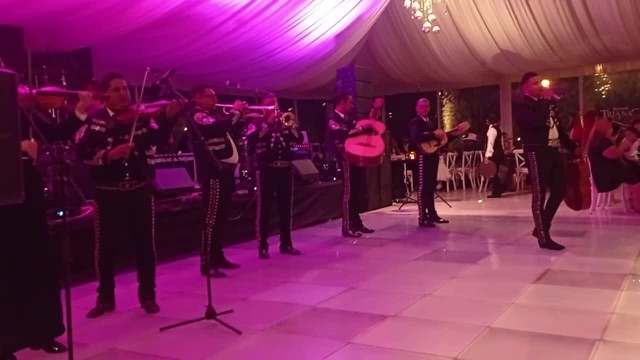
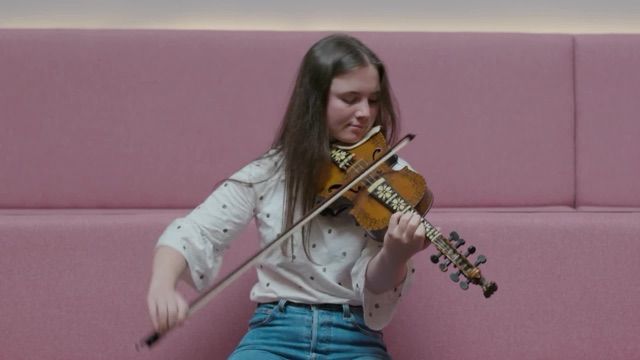
Side-by-side comparison of kleinkunst (Documented region, Global Archive) and Georgian Polyphonic Singing (Tbilisi, Svaneti & Guria, Georgia) across cultural family, chronology, materials, instruments, and living vitality.
12-Point Archival Comparison Table: kleinkunst vs Georgian Polyphonic Singing
Study & Syllabus Export Tools · CC BY-SA 4.0
| Dimension | 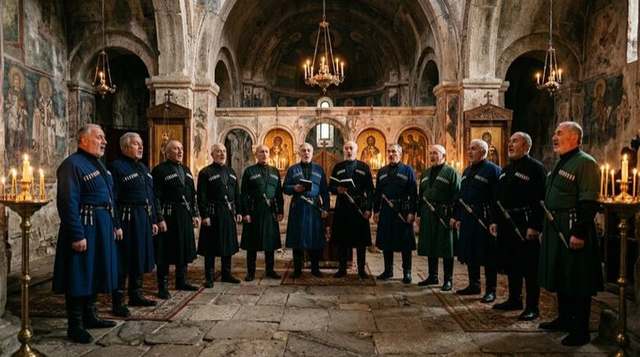 Georgian Polyphonic Singing | |
|---|---|---|
| Tradition Name | kleinkunst | Georgian Polyphonic Singing |
| Native Script / Endonym | kleinkunst | ქართული მრავალხმიანობა |
Key Differences Between kleinkunst and Georgian Polyphonic Singing
- Geography & Origin: kleinkunst is rooted in Documented region, Global Archive (attested Historical oral & textual attestation), whereas Georgian Polyphonic Singing originates in Tbilisi, Svaneti & Guria, Georgia (attested 4th century).
- Classification & Form: kleinkunst belongs to the Music family (Die Kleinkunst ist ein Genre der darstellenden Künste, insbesondere des Theaters und der Musik, das seinen Namen aufgrund seines begrenzten personellen, räumlichen und materiellen Aufwands erhalten hat.), while Georgian Polyphonic Singing is documented under Music (Three-part secular and liturgical vocal polyphony of the Caucasus featuring untempered fifths, sharp dissonances, and Gurian krimanchuli yodeling.).
- Instruments & Materials: kleinkunst is transmitted through regional performance and craft media; by contrast, Georgian Polyphonic Singing uses Unaccompanied 3-part chorus, Chonguri, Panduri.
- Heritage Recognition & Vitality: kleinkunst is assessed as UNKNOWN (Documented in public ethnographic & archival sources), while Georgian Polyphonic Singing is assessed as STABLE (Representative List (2008)).
Shared Cultural & Historical Parallels
- Both kleinkunst and Georgian Polyphonic Singing belong to the Music domain and transmit repertoire across generations through master-disciple lineage rather than commercial mass production.
- Across Global Archive and Georgia, both traditions demonstrate how local communities safeguard ancestral craft and performance knowledge through guild, temple, or village stewardship.
Frequently Asked Questions
What is the main difference between kleinkunst and Georgian Polyphonic Singing?
kleinkunst is a music tradition from Documented region, Global Archive (Die Kleinkunst ist ein Genre der darstellenden Künste, insbesondere des Theaters und der Musik, das seinen Namen aufgrund seines begrenzten personellen, räumlichen und materiellen Aufwands erhalten hat.), whereas Georgian Polyphonic Singing is a music tradition from Tbilisi, Svaneti & Guria, Georgia (Three-part secular and liturgical vocal polyphony of the Caucasus featuring untempered fifths, sharp dissonances, and Gurian krimanchuli yodeling.).
Where did kleinkunst and Georgian Polyphonic Singing originate?
kleinkunst originated in Documented region, Global Archive (Historical oral & textual attestation). Georgian Polyphonic Singing originated in Tbilisi, Svaneti & Guria, Georgia (4th century).
What instruments or materials are used in kleinkunst vs Georgian Polyphonic Singing?
kleinkunst uses traditional regional instruments and media. Georgian Polyphonic Singing uses Unaccompanied 3-part chorus, Chonguri, Panduri.
Are kleinkunst and Georgian Polyphonic Singing recognized by UNESCO?
kleinkunst heritage status: Documented in public ethnographic & archival sources. Georgian Polyphonic Singing heritage status: Representative List (2008).